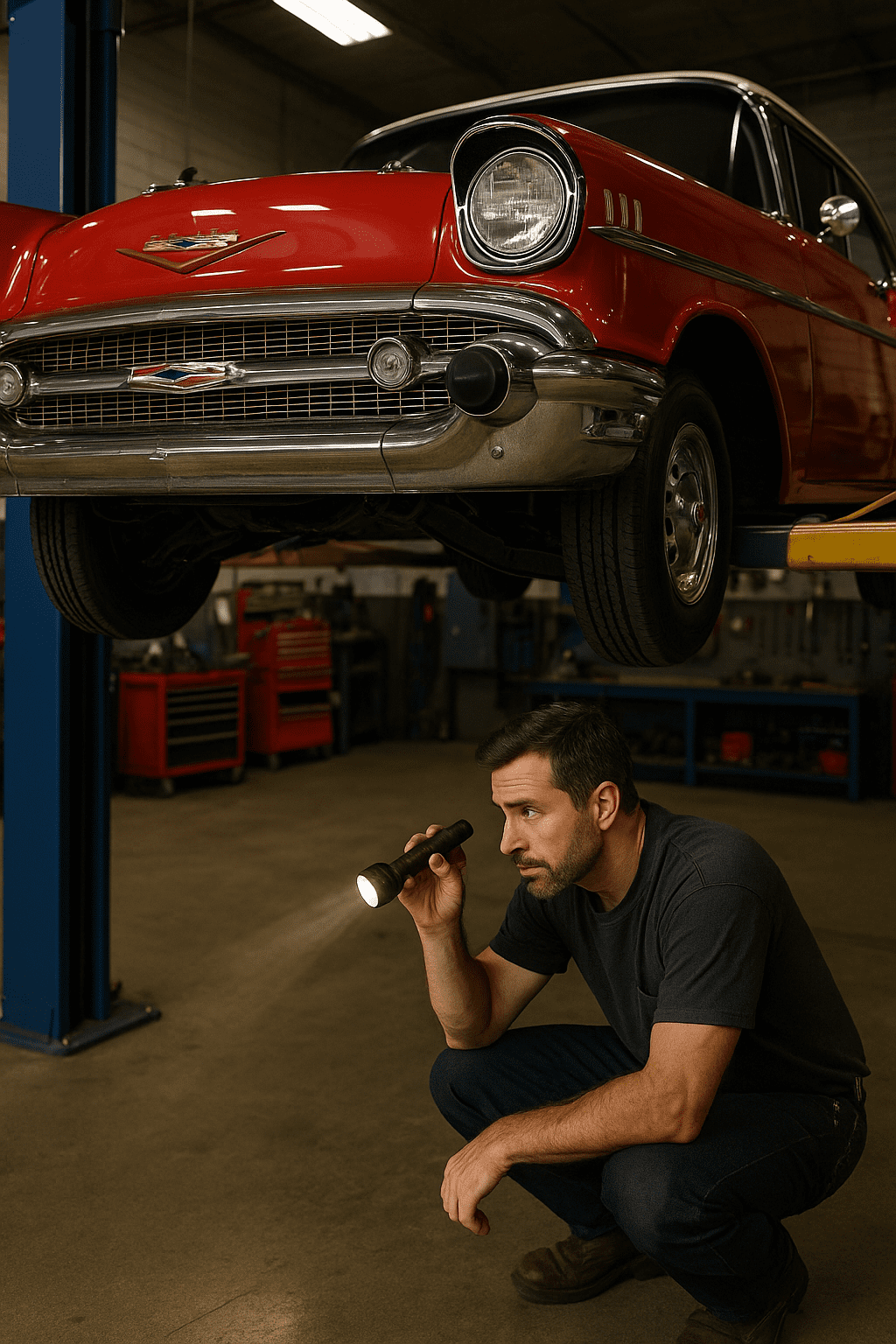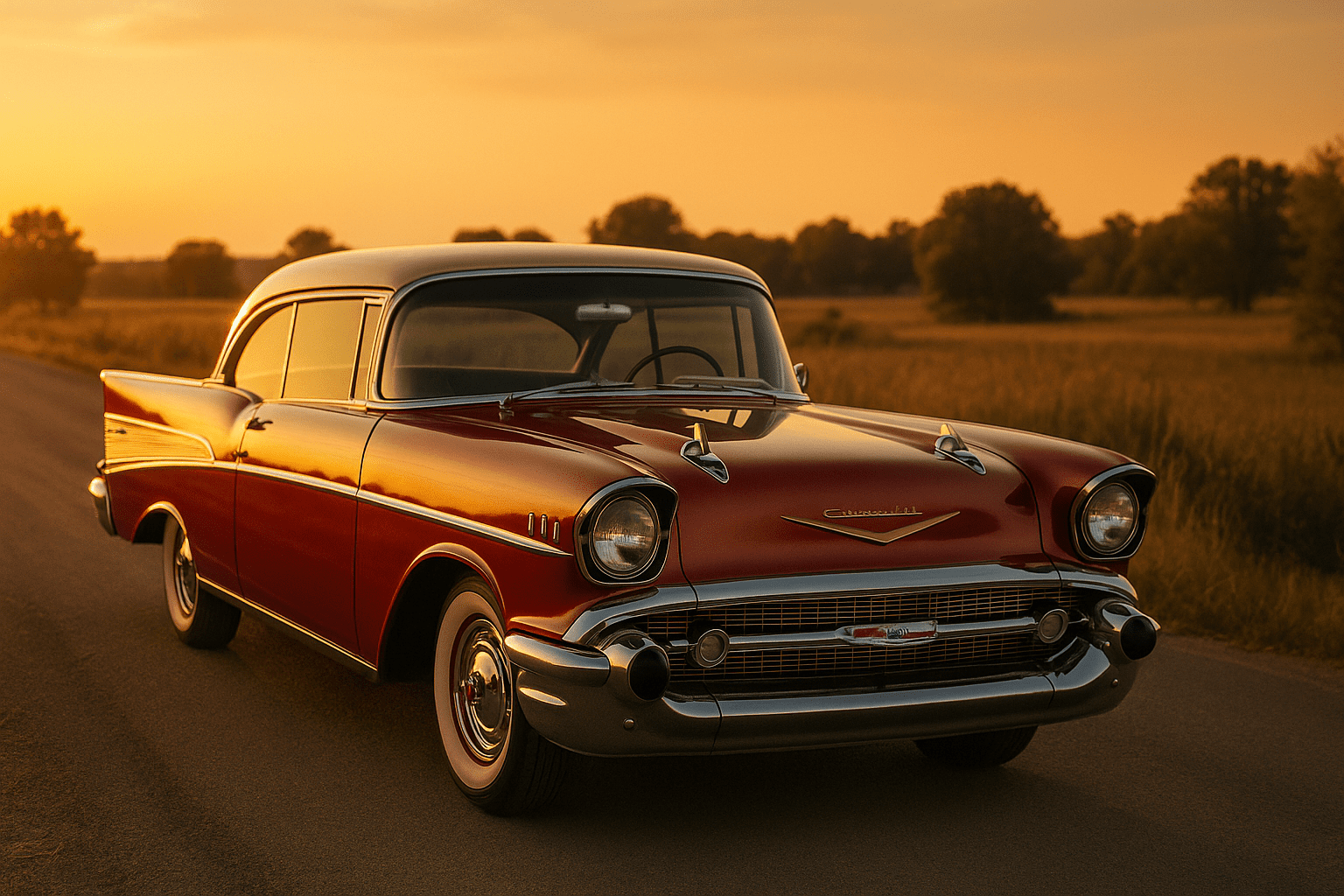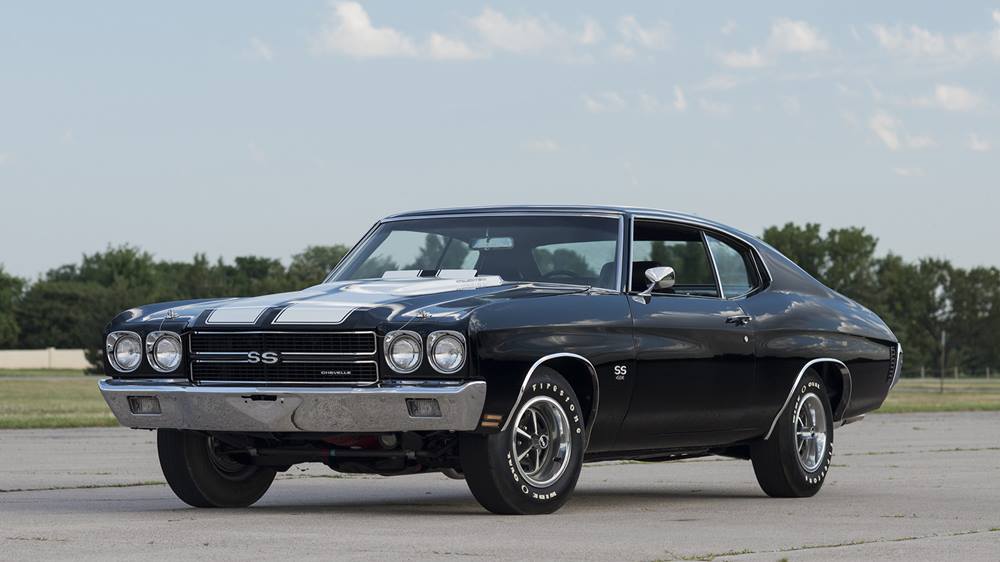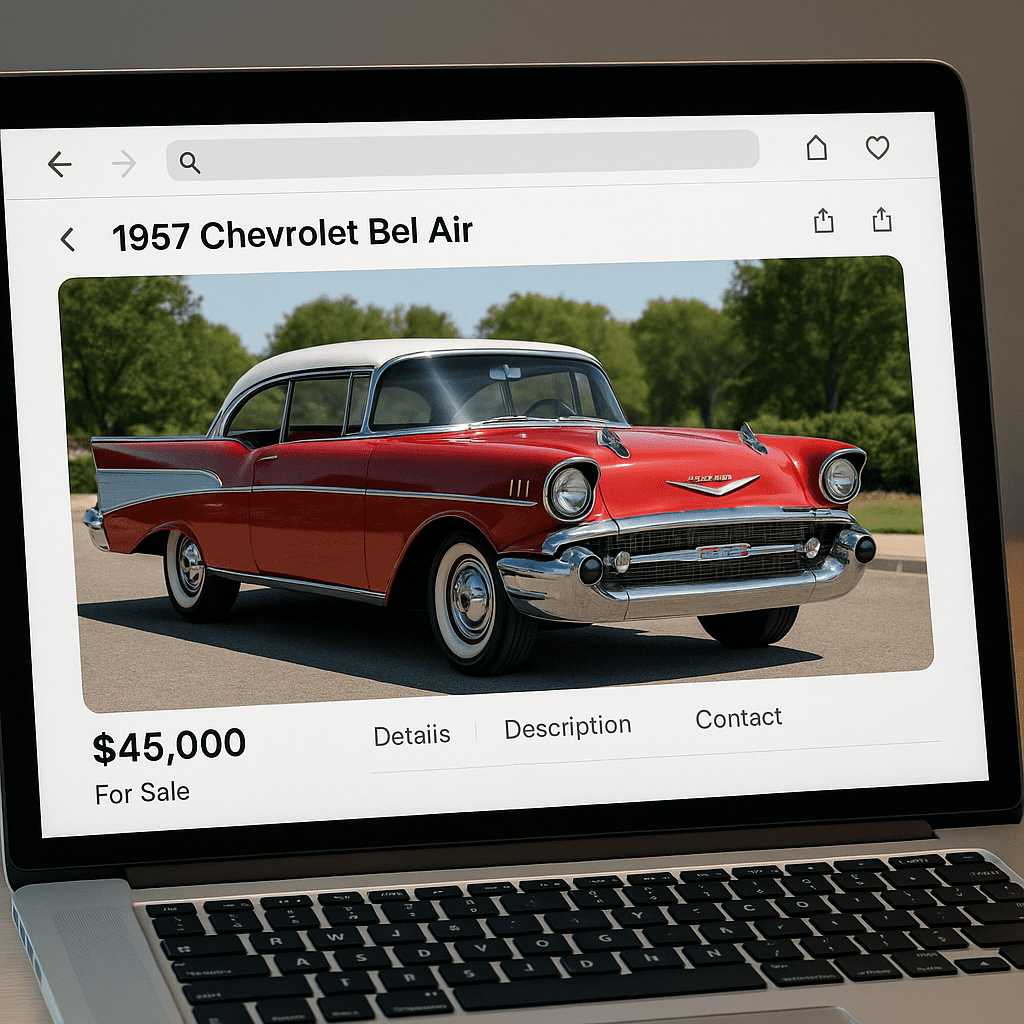
Welcome to the classic Chevy buyers guide — your step-by-step resource for learning how to buy a classic Chevy with confidence. Whether you’re hunting for a Tri-Five Chevy, a first-generation Camaro, or a vintage Impala, this guide covers everything from classic Chevy inspection tips to negotiation and restoration planning. Buying a classic car is both an emotional decision and a financial one, so arming yourself with knowledge will help you avoid expensive mistakes.
Why Buy a Classic Chevy?
Owning a vintage Chevy isn’t just about nostalgia — it’s about joining a community of enthusiasts and driving one of the most iconic American classics. These cars represent a golden era of automotive design, with distinctive chrome styling, powerful V8 engines, and timeless curb appeal.
Classic Chevrolets also make great entry-level collectibles because they balance affordability with desirability. Unlike some rare muscle cars, many Chevys are still reasonably priced, and parts are easy to source. That makes them ideal for someone who wants a project or a weekend cruiser without breaking the bank.
Top Classic Chevy Models to Consider
When deciding which classic Chevy model to buy, focus on condition, rarity, and your budget. Some models are easier to restore because reproduction parts are widely available, while others may require specialized hunting for rare trim or mechanical components.
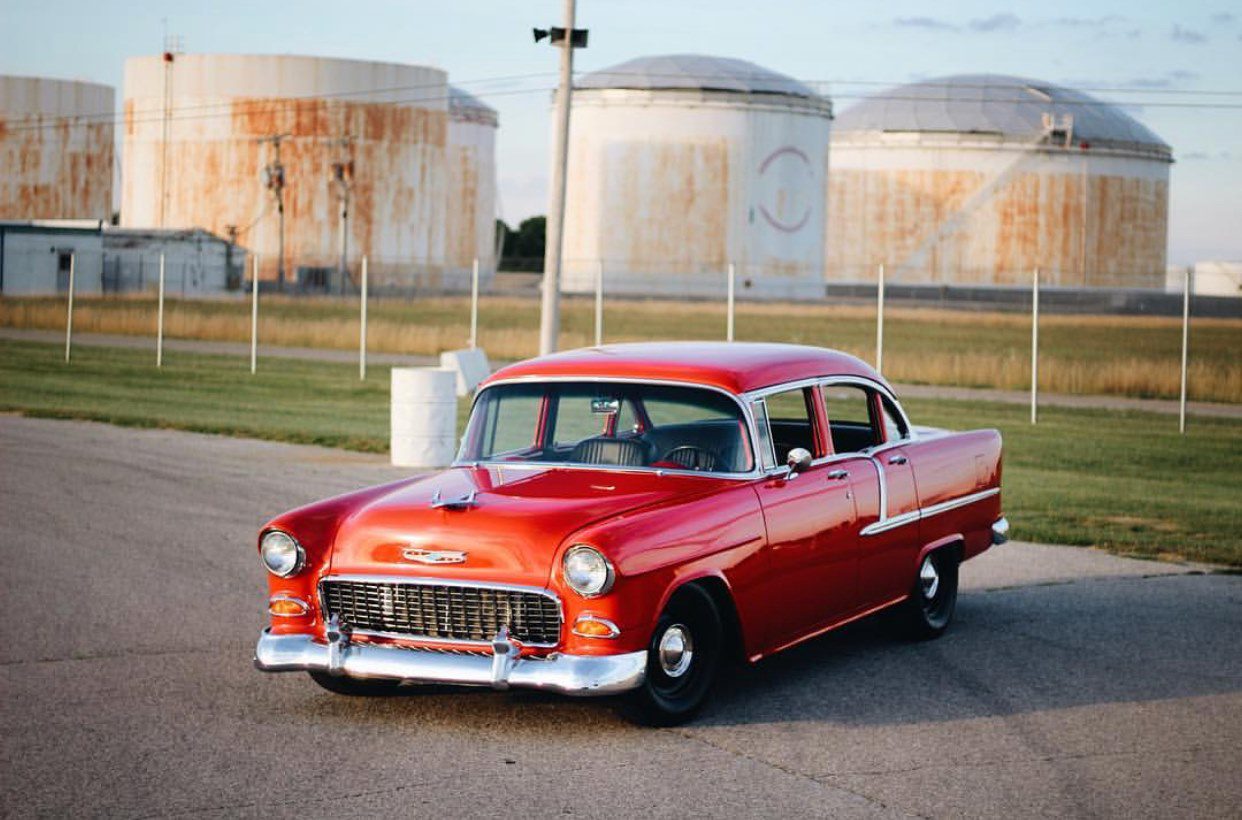
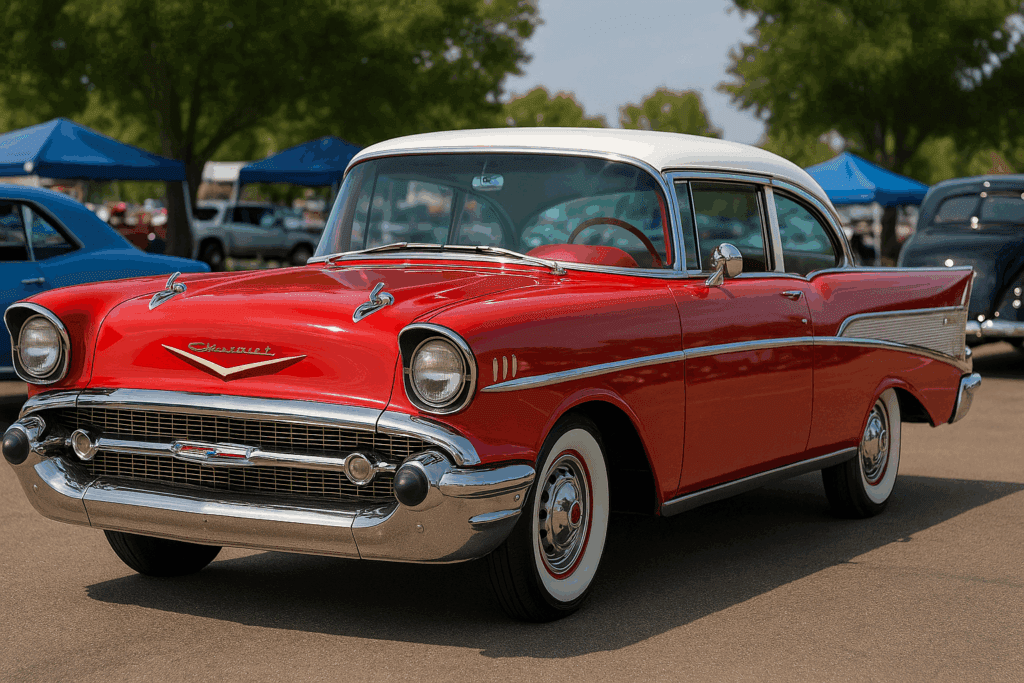
- 1955–1957 Tri-Five Chevys (Bel Air, 210, 150, Nomad) — Legendary style, high collector demand. These cars are often showcased at major auctions and retain value well. See our detailed Tri-Five Chevy Guide and our Chevy Bel Air Buyer’s Guide.
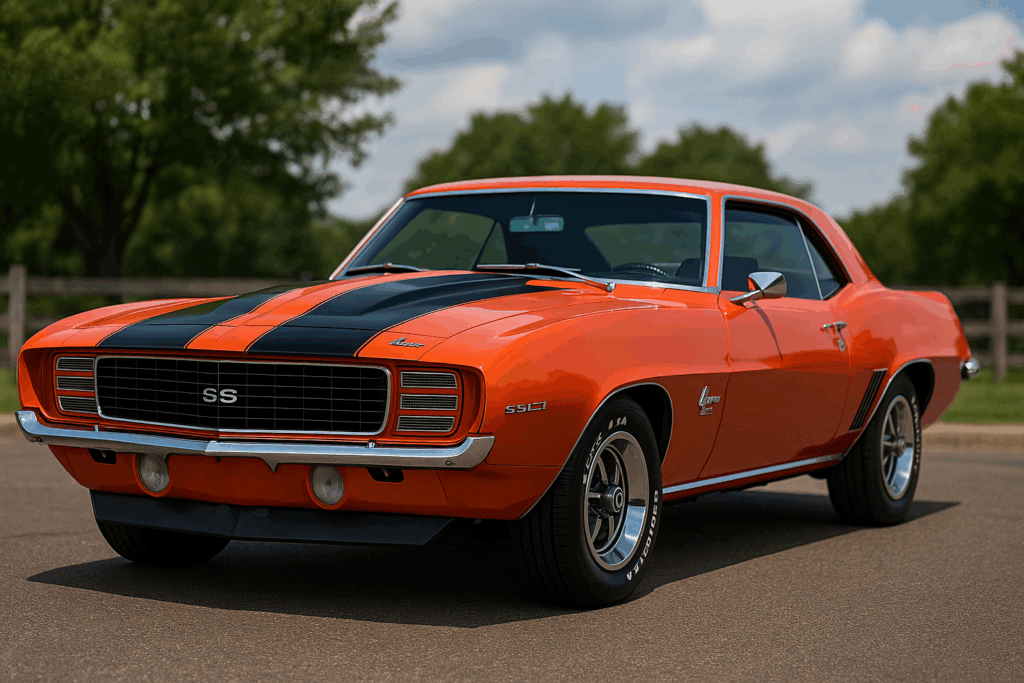
- 1967–1969 Camaro (1st Gen) — A muscle car icon. With RS, SS, and Z/28 trims, the Camaro offers plenty of variation for collectors. Restoration projects range from affordable shells to premium investment-grade cars.
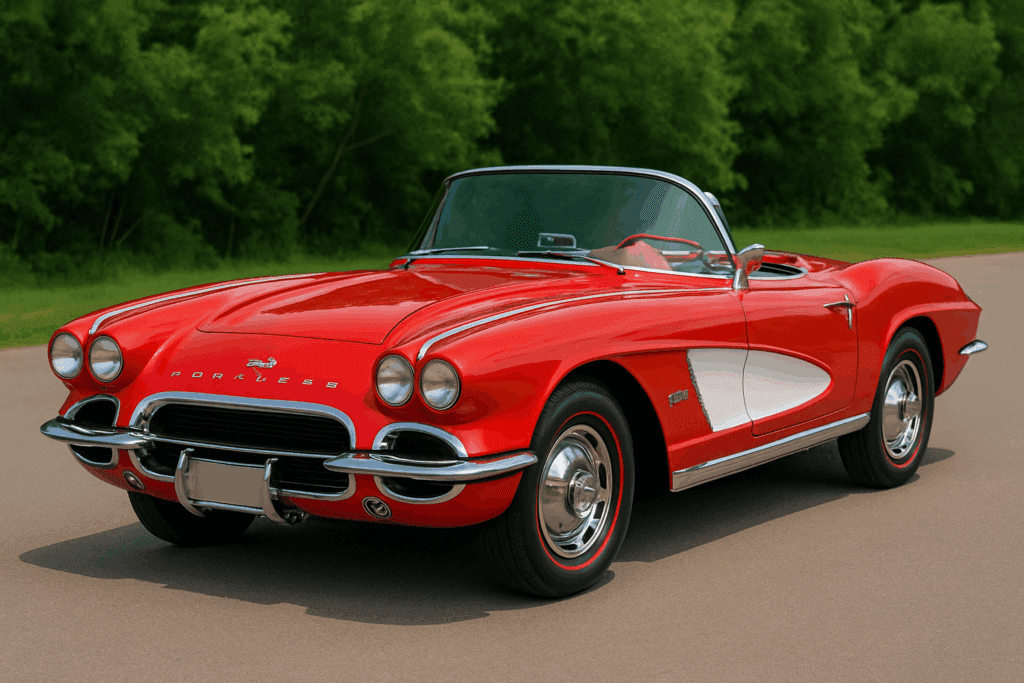
- 1953–1962 Corvette (C1) — America’s sports car, increasingly collectible. Buyers should pay close attention to fiberglass condition and originality. Because early Corvettes have strong investment potential, authenticity is everything.
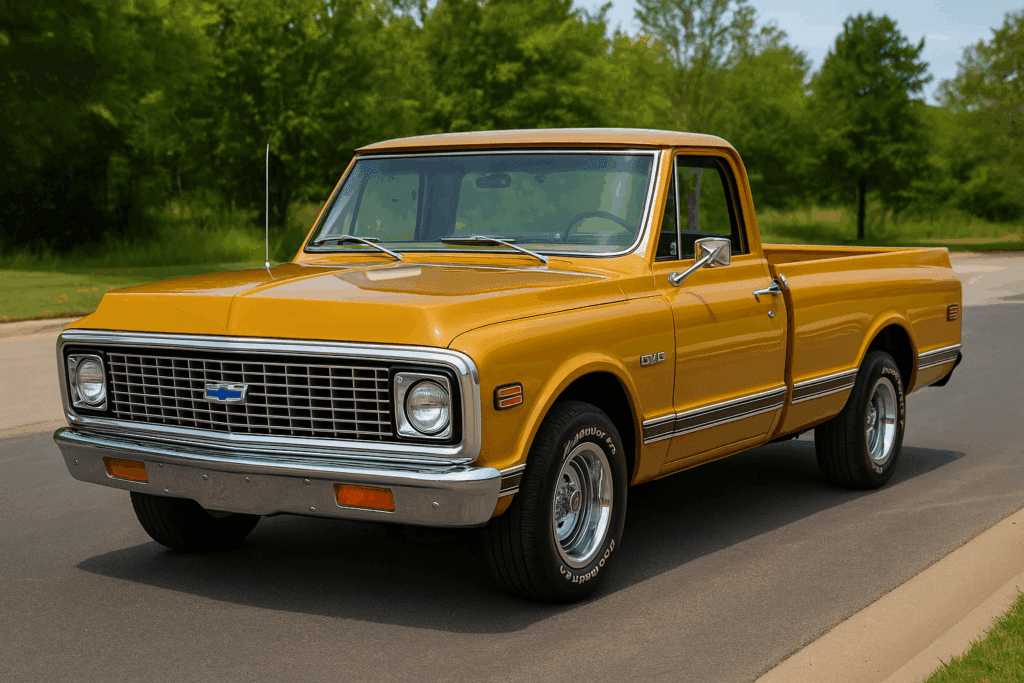
- 1960s–1972 Chevy C10 Pickup — Popular for restomod builds. These trucks are rising in value and make excellent candidates for custom builds due to their straightforward design.
- 1958–1965 Chevy Impala — Stylish and plentiful, with affordable entry points. Impalas are often customized, so watch for modifications that might affect long-term value. Many enthusiasts turn to the National Impala Association and active Impala forums for VIN decoding and restoration tips.
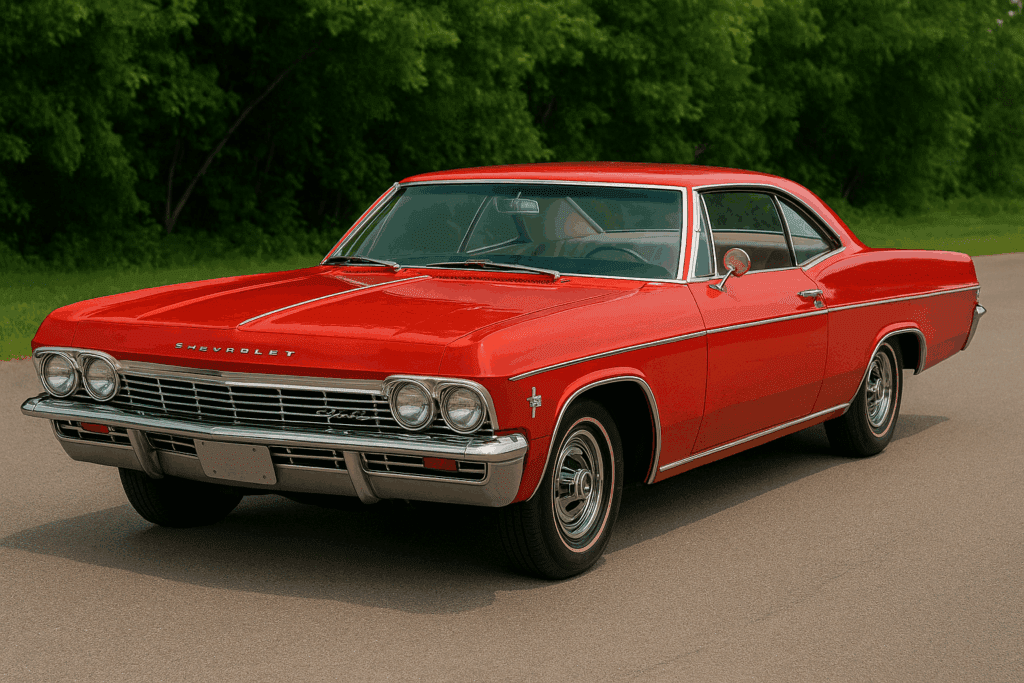
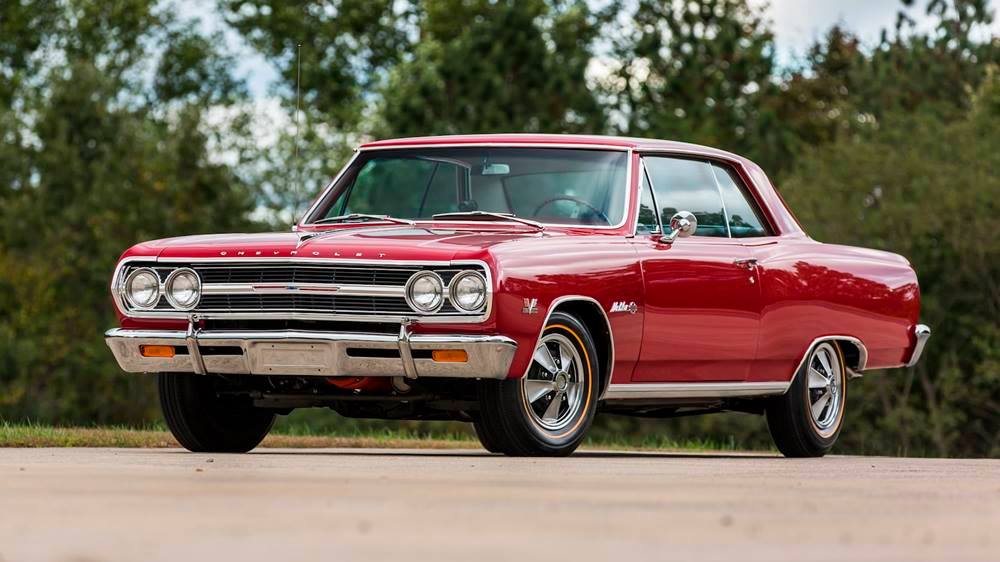
- Chevy Chevelle (1964–1972) The Chevelle SS, especially the 1970 LS6 454, is considered the peak of Chevy muscle. Why Buy: Massive power, high investment potential. Watch Out For: VIN fraud — always confirm authenticity.
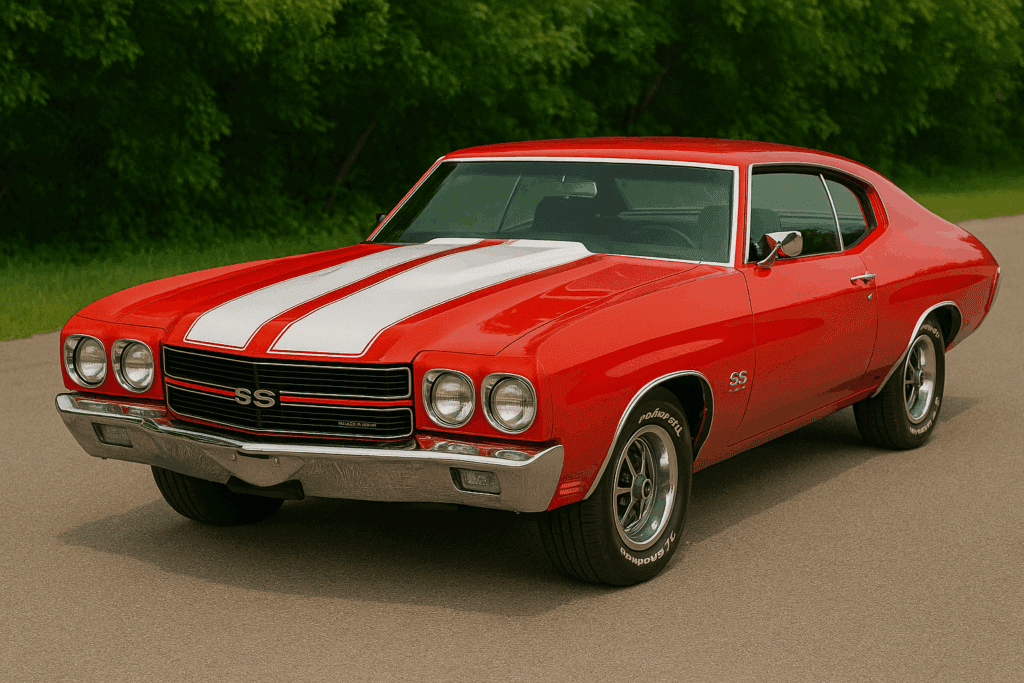
- Chevy Nova (1960s–1970s) A smaller, more affordable muscle platform, loved by drag racers. Why Buy: Lower entry cost, easy maintenance, and strong parts availability. Watch Out For: Overly modified race cars can be money pits. Check our Chevy Investment Guide for detailed tips.
What to Inspect Before You Buy a Classic Chevy
Rust & Frame Integrity
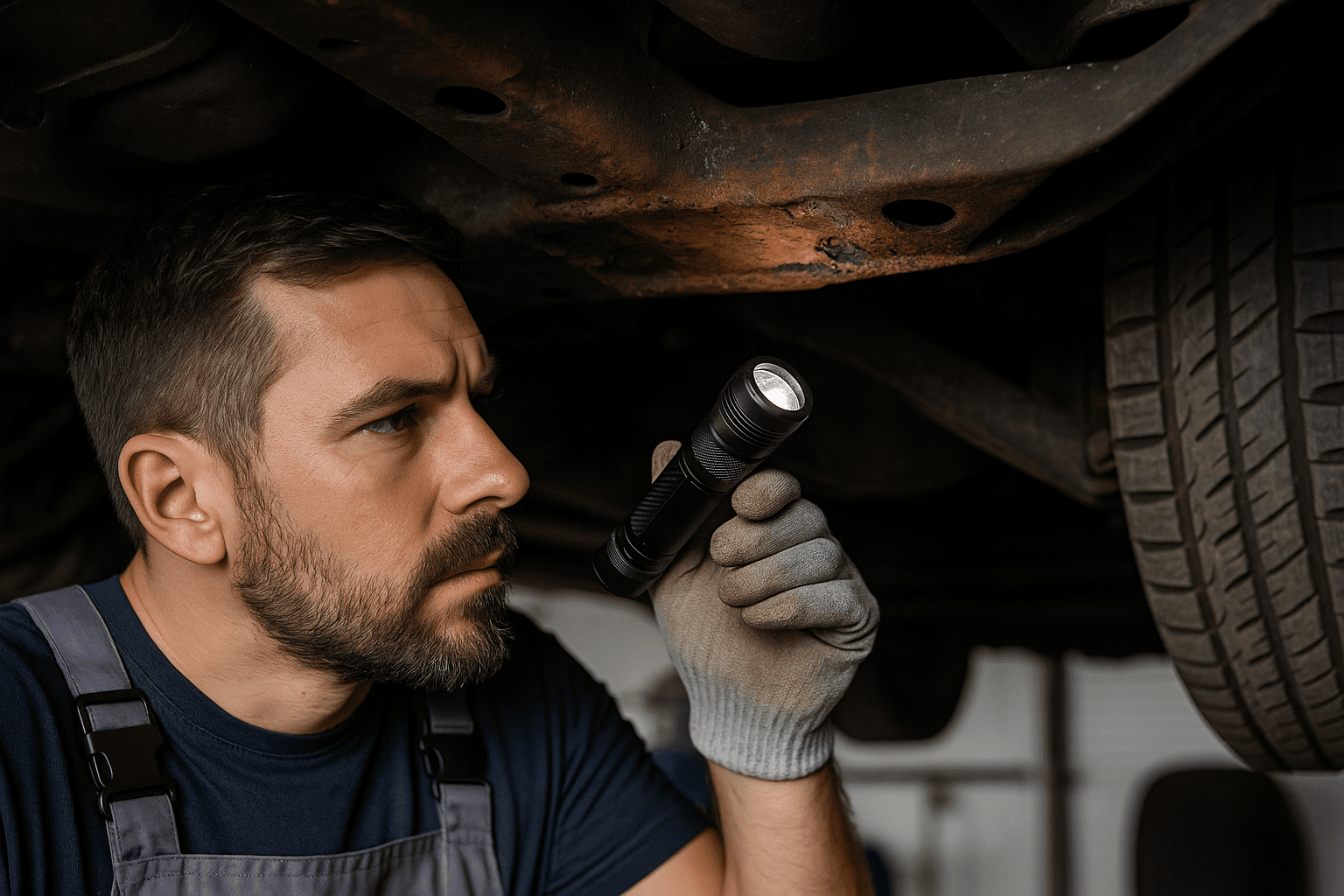
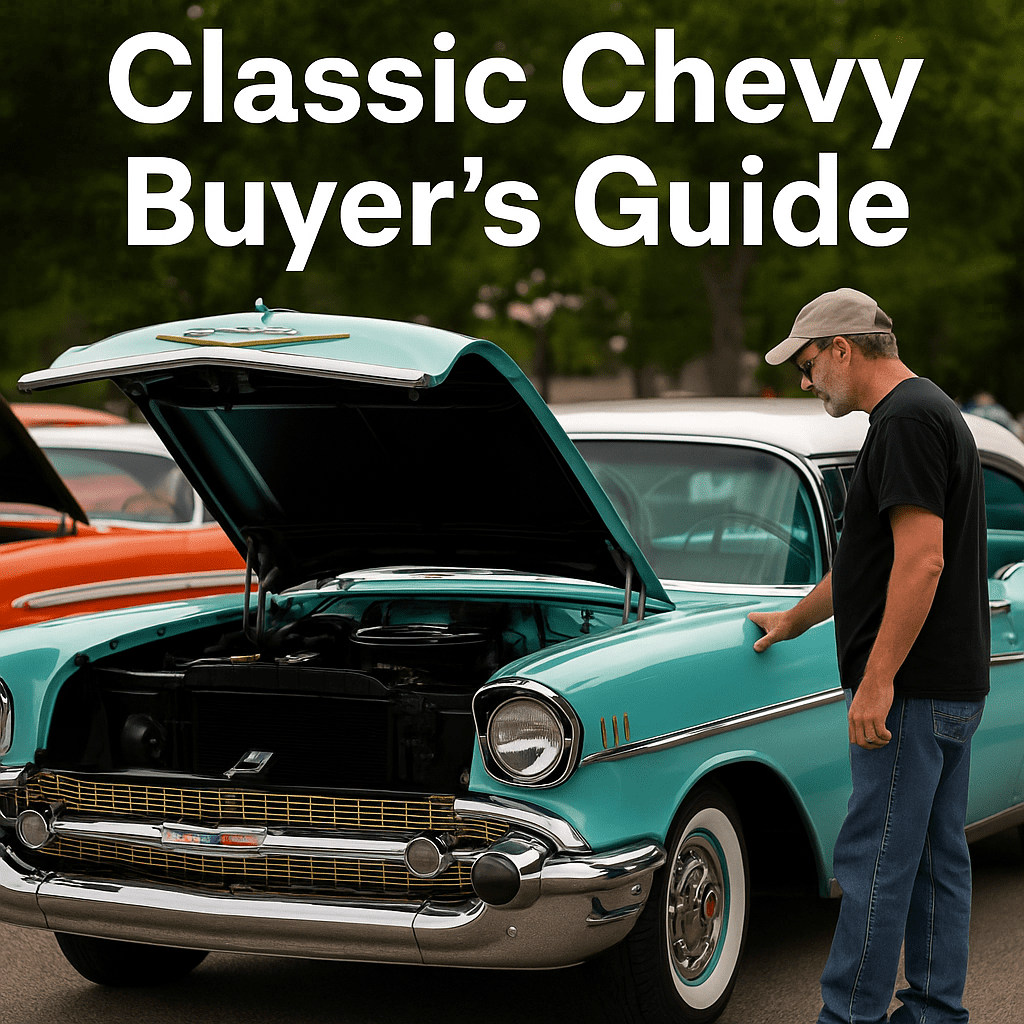
Rust is the number one problem when buying a classic car. For Chevys, check:
- Floor pans, trunk pans, rockers
- Quarter panels and wheel wells
- Frame rails, suspension mounts, crossmembers
- Roof rails and drip edges
- Check wiring condition — see our 1955 Chevy Bel Air Wiring Diagram.
Even if a car looks clean, surface rust can hide major structural issues underneath. Cars from northern states or coastal areas are especially prone to corrosion, so factor that into your classic Chevy inspection tips.
Even a healthy small block can refuse to fire after downtime, especially when fuel evaporates or ignition components degrade, which is why many owners deal with classic Chevy starting problems after sitting. Always let a classic Chevy idle fully during inspection, since idle overheating problems often reveal poor airflow, radiator issues, or incorrect timing that won’t show up on a short test drive.
Drivetrain & Matching Numbers
- Confirm originality by checking block and transmission stampings.
- Use our Chevy VIN Decoder for verification.
- Inspect for oil leaks, smoke, or odd noises.
A matching-numbers engine and transmission can dramatically increase the value of a classic Chevy. Even if originality doesn’t matter to you personally, it often matters for resale — and could be the difference between a collectible and just a driver.
Suspension & Steering
- Test steering response (looseness = rebuild needed).
- Check shocks, springs, and bushings.
- Inspect brakes — upgrades to disc brakes are common.
Suspension parts wear over time, and many classics ride poorly until refreshed. A car that feels loose or sloppy on the road may need thousands in suspension work, so it’s worth testing before purchase.
Interior & Electrical
- Check seat covers, dashboards, and headliners.
- Test gauges, wipers, and lights.
- Look out for poorly done electrical rewiring.
Restoring an interior can be costly, especially for rare trim levels or hard-to-find upholstery patterns. Electrical systems are another hidden expense — hacked wiring harnesses can lead to safety hazards and unreliable operation.
Documentation
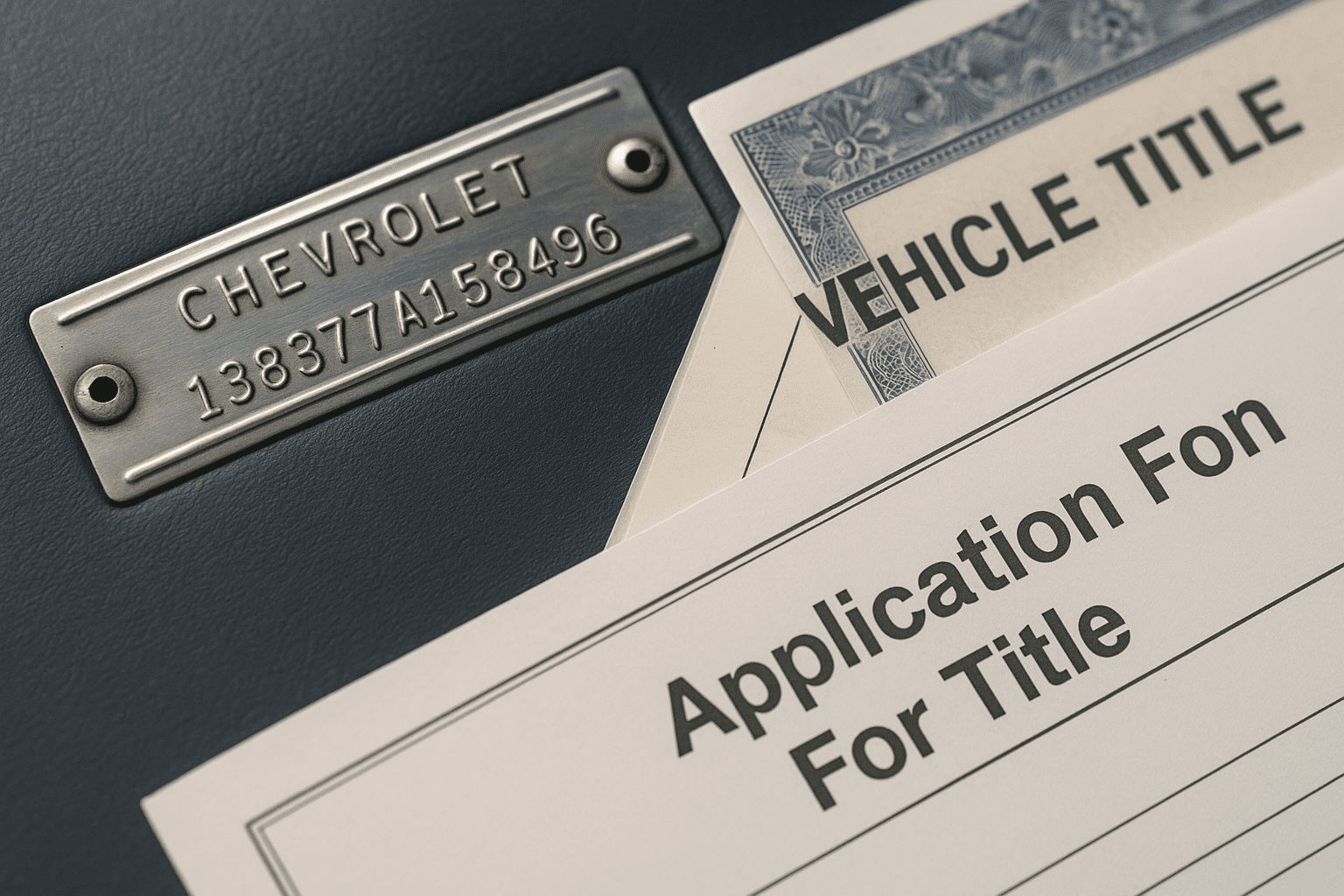
- Ensure clear title and legal ownership.
- Collect service records and receipts for Chevy restoration work.
- Be wary of missing or inconsistent paperwork.
Without proper documentation, resale can be difficult, and in some states registering the car might become a legal headache. Always confirm VIN and title match before handing over money.
How Much Should You Pay?
Values range widely for classic Chevys for sale:
- Project cars: affordable but need full restoration
- Drivers: roadworthy with partial restoration
- Show cars: top-level, high-dollar investments
The market has shifted in recent years, with restomods commanding strong prices alongside fully restored originals. Use tools like Hagerty Valuation Guides and auction results to track trends. Always leave a repair budget cushion — even turnkey cars often reveal hidden needs after purchase.
Where to Buy a Classic Chevy
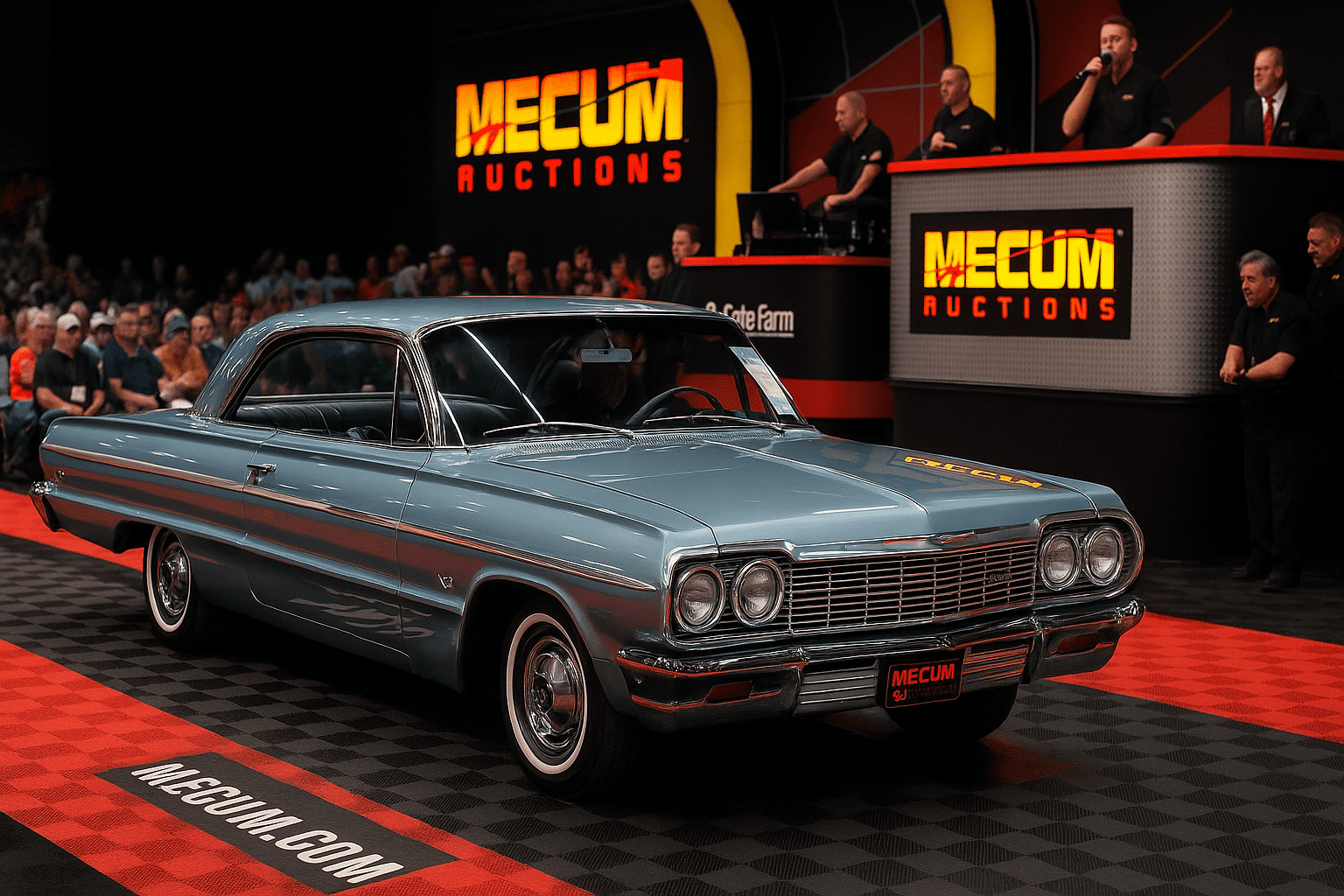
Your best options include:
- Online listings — Hemmings, eBay Motors, ClassicCars.com
- Auctions — Barrett-Jackson, Mecum Auctions
- Clubs & Forums — Chevy clubs often post member cars
- Local Classifieds & Social Media — Good for deals, but vet carefully
Each venue has its pros and cons. Auctions may bring rare cars but also higher prices due to bidding wars. To find a classic Chevy for sale online classifieds often have bargains, but scams are a real risk — so inspection and documentation are crucial.
Negotiating & Closing the Deal
- Get a pre-purchase inspection from a professional.
- Ask about matching numbers, restoration quality, and ownership history.
- Avoid sellers who can’t provide a clear title.
- Negotiate based on needed repairs — especially classic Chevy rust repair costs.
When you buy Classic Chevy remember, negotiation is part of the process. Be polite but firm, and don’t let emotions override logic. If the deal doesn’t feel right, walk away — there will always be another classic Chevy on the market. Check current values with the Hagerty Valuation Tools or our Classic Chevy Value Estimator. Read our Classic Chevy Buying Tips.
After the Purchase: Next Steps
Congrats! Now you own a classic Chevrolet. Here’s how to maximize your investment:
- Source quality parts from our Top Chevy Parts Suppliers Online.
- Keep a log of service and restoration costs.
- Classic Chevy Insurance
- Join Chevy forums and local clubs.
- Protect your car with proper storage and detailing.
- Explore tips in our 10 Things Every Classic Chevy Owner Should Know Before Buying.
Classic Chevys thrive with proper care. Routine maintenance prevents costly repairs, while careful storage ensures your car remains rust-free and showroom-ready. Sharing your restoration journey online or at local shows can also connect you with like-minded enthusiasts.
Frequently Asked Questions
What is the most popular classic Chevy to buy?
A: The 1955–1957 Tri-Five Chevys (especially the Bel Air) are among the most popular in this classic Chevy buyers guide. Their timeless styling and collector demand make them a safe investment compared to other classics.
How do I know if a classic Chevy is worth buying?
Look for strong documentation, minimal rust, and drivetrain originality. Use a Chevy VIN decoder to confirm authenticity. A car with matching numbers will always carry more long-term value.
Are parts easy to find for classic Chevrolets?
Yes, the Chevy aftermarket is excellent. See our guide to Classic Chevy parts suppliers. Parts availability makes Chevys easier to restore than many other brands.
How do I check if a Chevy has matching numbers?
Compare engine and transmission stampings with the VIN. Use a VIN decoding tool for accuracy. If you’re unsure, bring an expert or hire a classic car inspector to confirm.
What should I avoid when buying a classic Chevy?
Avoid cars with major rust damage, hacked wiring, missing titles, or poor-quality restorations. Shortcuts taken by previous owners often cost far more to correct later than buying a solid example upfront.