Explore the Chevy history from the 1940s through the 1970s. Discover design evolution, iconic models, and Chevy’s cultural impact across four decades.
Chevy’s Golden Era
The story of Chevrolet is the story of America’s automotive boom. Between the 1940s and 1970s, Chevrolet transformed from producing wartime vehicles into creating some of the most iconic cars in history. The Bel Air, Impala, Camaro, Chevelle, and Nova didn’t just sell cars — they defined eras, styles, and even lifestyles.
This guide explores Chevy’s history across four decades, showing how design, technology, and culture shaped the cars that became classics and collector favorites.
👉 If you’re looking for buying advice, check out our Classic Chevy Buyer’s Guide.
The 1940s: Post-War Chevy & America’s Return to the Road
Wartime Pause (1942–1945)
During WWII, Chevrolet shifted from cars to building military trucks, engines, and equipment. Civilian car production was halted in 1942.
The Return of Civilian Cars (1946–1949)
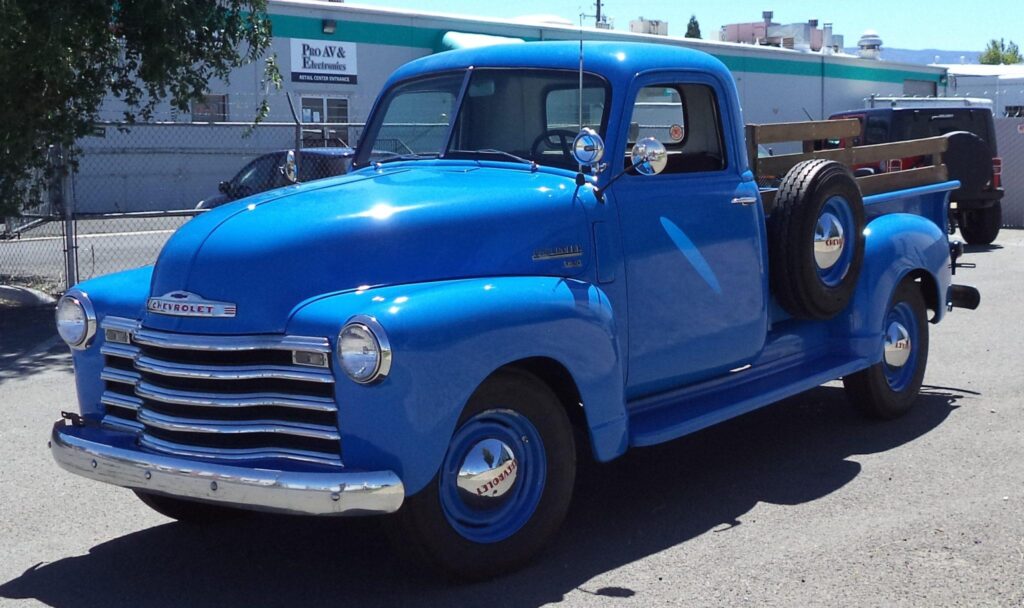
After the war, demand for cars exploded. Chevy reintroduced vehicles with designs similar to prewar models but with slight refinements.
- Chevy Fleetline & Stylemaster became popular choices for returning veterans.
- Streamlined designs hinted at the 1950s style to come.
Cultural Note: Cars became symbols of prosperity as Americans hit the highways again.
👉 For restoration advice on early Chevys, visit our Classic Chevy Restoration Guide.
The 1950s: The Rise of the Bel Air & the Birth of Style
1950–1954: Affordable Style
Chevy emphasized affordability, reliability, and style. The Powerglide automatic transmission made driving easier for families.
1955–1957: The Tri-Five Era
This was the breakthrough. The 1955 Chevy Bel Air introduced:
- V8 engine options (265-cubic inch small block).
- Two-tone paint schemes.
- Iconic chrome-laden styling.
The 1957 Bel Air, with its tailfins and golden trim, became the ultimate 1950s symbol and remains one of the most collectible Chevys today.
👉 Learn more in our Chevy Bel Air Buyer’s Guide.
The 1960s: Muscle Cars & Cultural Icons
1960–1964: Bigger, Sleeker, More Powerful
Chevy leaned into bigger cars with more powerful engines. The 1961 Impala SS introduced the Super Sport badge.
- 1963 Corvette Sting Ray launched as a design masterpiece.
- Chevy embraced performance, attracting a younger audience.
1965–1969: The Muscle Car Explosion
- Chevelle SS (1964) emerged as a mid-size muscle contender.
- 1967 Camaro debuted to battle the Ford Mustang, spawning trims like the Z/28 and SS.
- Nova SS offered an affordable muscle platform.
👉 Camaro resource: Classic Camaro Mods and Chevy Muscle Cars of the 1960’s
Cultural Impact: Chevy cars dominated drag strips, drive-ins, and rock ’n’ roll culture.
👉 Explore specific models in our Classic Chevy Models Hub.
👉 Community resource: Team Camaro Forum.
The 1970s: Power Peaks & The Oil Crisis
Early 1970s: Peak Muscle
The 1970 Chevelle SS 454 LS6 delivered 450 horsepower — one of the most powerful muscle cars ever built. Chevy’s performance was at its peak.
- Camaro Z/28s grew stronger.
- Novas became drag racing favorites.
- Impalas continued as stylish full-size icons.
Mid-Late 1970s: The Decline
The 1973 oil crisis and stricter emissions standards forced downsizing and reduced horsepower.
- Muscle cars lost power as engines were detuned.
- Chevy shifted focus to fuel efficiency and smaller platforms.
Despite this, 1970–72 Chevelles, Camaros, and Novas remain highly collectible today.
👉 For valuation insights, see Hagerty Valuation Tools.
Chevy’s Cultural Influence (1940s–1970s)
Chevys weren’t just cars — they became cultural staples.
- Music: Songs like “409” by the Beach Boys and “Chevy Van” in the 1970s.
- Movies & TV: Bel Airs, Camaros, and Chevelles became screen stars.
- Community: Chevy clubs and car shows became social hubs for enthusiasts.
Check our Classic Chevy in Pop Culture, Movies, Music, and More for more on Classic Chevy’s culture.
Design Evolution Highlights
- Streamlined 1940s: Rounded, practical postwar designs.
- Chromed 1950s: Fins, chrome, and bold colors.
- Muscle 1960s: Aggressive styling with bigger engines.
- Transition 1970s: Peak performance, followed by downsizing.
Chevrolet Built a Legacy
From the postwar rebound of the 1940s to the chrome-clad Tri-Five Bel Airs, the muscle-bound Camaro and Chevelle, and the culture-defining Impala, Chevrolet built more than cars — it built a legacy.
These decades defined the best Chevy muscle cars, cultural icons, and collector favorites that enthusiasts cherish today.
👉 Next Step: If you’re inspired to own a piece of this history, begin with our Ultimate Classic Chevy Buyer’s Guide to learn how to choose the right model.