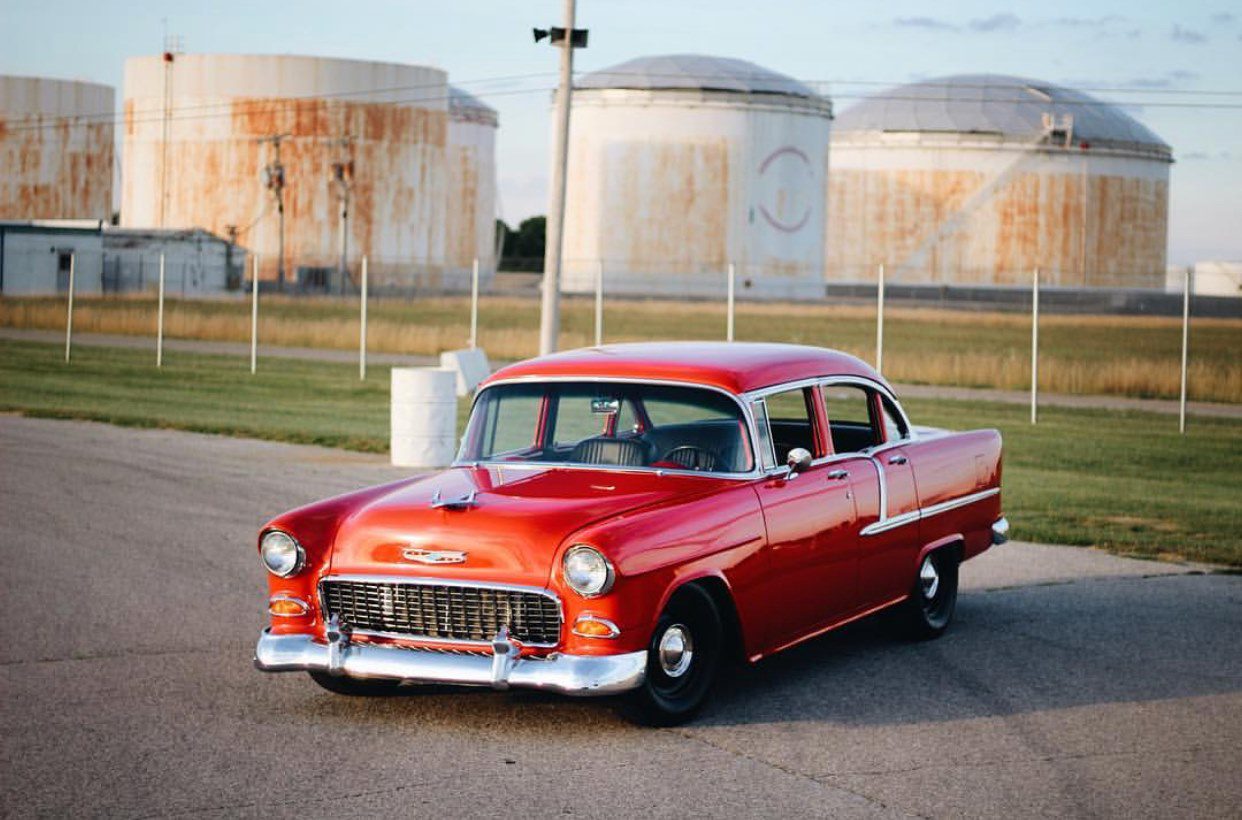
Looking to buy a classic Chevy Bel Air? Our expert buyer’s guide covers Tri-Five models, pricing trends, restoration tips, and where to find cars for sale.
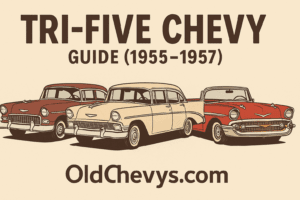
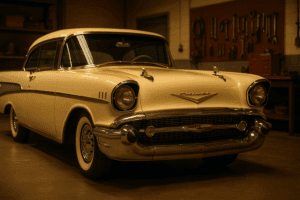
Few classic Chevrolets capture the imagination of collectors like the Chevy Bel Air. Produced from 1950 through 1975, this model defined an era of American automotive design. The most famous versions, the Tri-Five Chevys (1955–1957), became cultural icons with their chrome styling, fins, and powerful V8 engines.
For buyers, the Bel Air represents more than a car—it’s a piece of Americana. This guide breaks down the model’s history, what to look for when purchasing, current market values, and tips for ownership.
History of the Chevy Bel Air
The Bel Air started in 1950 as a premium trim for Chevrolet’s Styleline series. By 1953, it earned its own series designation, solidifying itself as Chevrolet’s flagship.
The 1955 Bel Air introduced the small-block 265 V8, transforming Chevy’s image from practical to performance-oriented. The 1956 and 1957 models expanded options and styling, creating what enthusiasts call the “Tri-Five” legacy. These three years remain the most sought-after.
By the 1960s, the Bel Air shifted into a comfortable full-size car, appealing to families but still offering plenty of power. The 1970s brought larger dimensions, but the earlier models retained the most collector appeal. For a broader overview, see Chevy History & Evolution.
Why Collectors Love the Bel Air
The Chevy Bel Air is collectible for several reasons:
- Iconic styling: Two-tone paint schemes, sweeping fins, and plenty of chrome.
- Performance pedigree: Early small-block V8s became the foundation of hot-rodding.
- Cultural impact: The Bel Air symbolized prosperity and freedom during the booming postwar years.
In terms of desirability, the Bel Air rivals the Chevy Camaro and Chevy Impala as a staple of the classic Chevy community.
What to Look for When Buying
Choose the Right Model Year
The Tri-Five Chevys are the most valuable, but they also command premium prices. Later 1960s and early 1970s Bel Airs are more affordable options for new collectors.
Inspect for Rust and Body Damage
Rust is the most common issue, especially in floor pans, trunk wells, and rocker panels. Restoring a rusty Bel Air can cost more than buying a clean example.
Decide Between Originality and Customization
Some collectors prefer stock restorations, while others value modified Bel Airs with modern engines, brakes, and interiors. Decide which camp you belong to before shopping. Also see the top places to order classic Chevy parts.
Documentation Increases Value
Cars with service records, original manuals, or factory build sheets are more desirable. These details separate a great buy from a risky one.
If you’re shopping across multiple Chevy models, visit our Ultimate Classic Chevy Buyer’s Guide.
Chevy Bel Air Market Values
Prices vary widely depending on year, body style, and condition. As of 2025:
- Tri-Five hardtops and convertibles: $50,000–$100,000 for well-restored examples.
- Four-door sedans: Often 30–40% less than two-door models, making them budget-friendly.
- Project cars: Under $20,000, but restoration costs can easily exceed resale value.
For up-to-date numbers, check the Hagerty Valuation Tool.
Where to Buy a Chevy Bel Air
Finding the right car takes time and research. Popular options include:
- Classic Car Auctions – Mecum Auctions and Barrett-Jackson consistently feature Bel Airs in all conditions.
- Online Marketplaces – ClassicCars.com offers thousands of listings nationwide.
- Chevy Clubs & Forums – The ChevyTalk Forum connects buyers with enthusiasts and trusted sellers.
Joining a local Chevy club or attending Chevy car shows also increases your chances of finding leads on private sales.
Be sure to check out Best Places to Buy a Classic Chevy Online and Checklist Before Buying a Tri-Five Chevy
The Ownership Experience
Owning a Bel Air means becoming part of a passionate community. Parts availability is excellent thanks to reproduction suppliers and aftermarket support. Networking with other owners at Chevy clubs or online forums can provide restoration advice and even hard-to-find parts.
Maintenance is relatively straightforward, although you can expect more hands-on upkeep than with modern cars. Carburetors require tuning, fuel economy is modest, and the original drum brakes need attention. However, few vehicles offer the same combination of nostalgia, cruising comfort, and show-stopping looks.
It’s an American Icon
The Chevy Bel Air is more than a collectible—it’s an American automotive legend. Whether you’re seeking a Tri-Five showpiece or a 1960s full-size cruiser, buying the right Bel Air requires research, patience, and an eye for detail.
By understanding model history, knowing what to inspect, and tracking current values, you can confidently join the ranks of Bel Air owners. With the right car, you’re not just buying transportation—you’re preserving a piece of history.