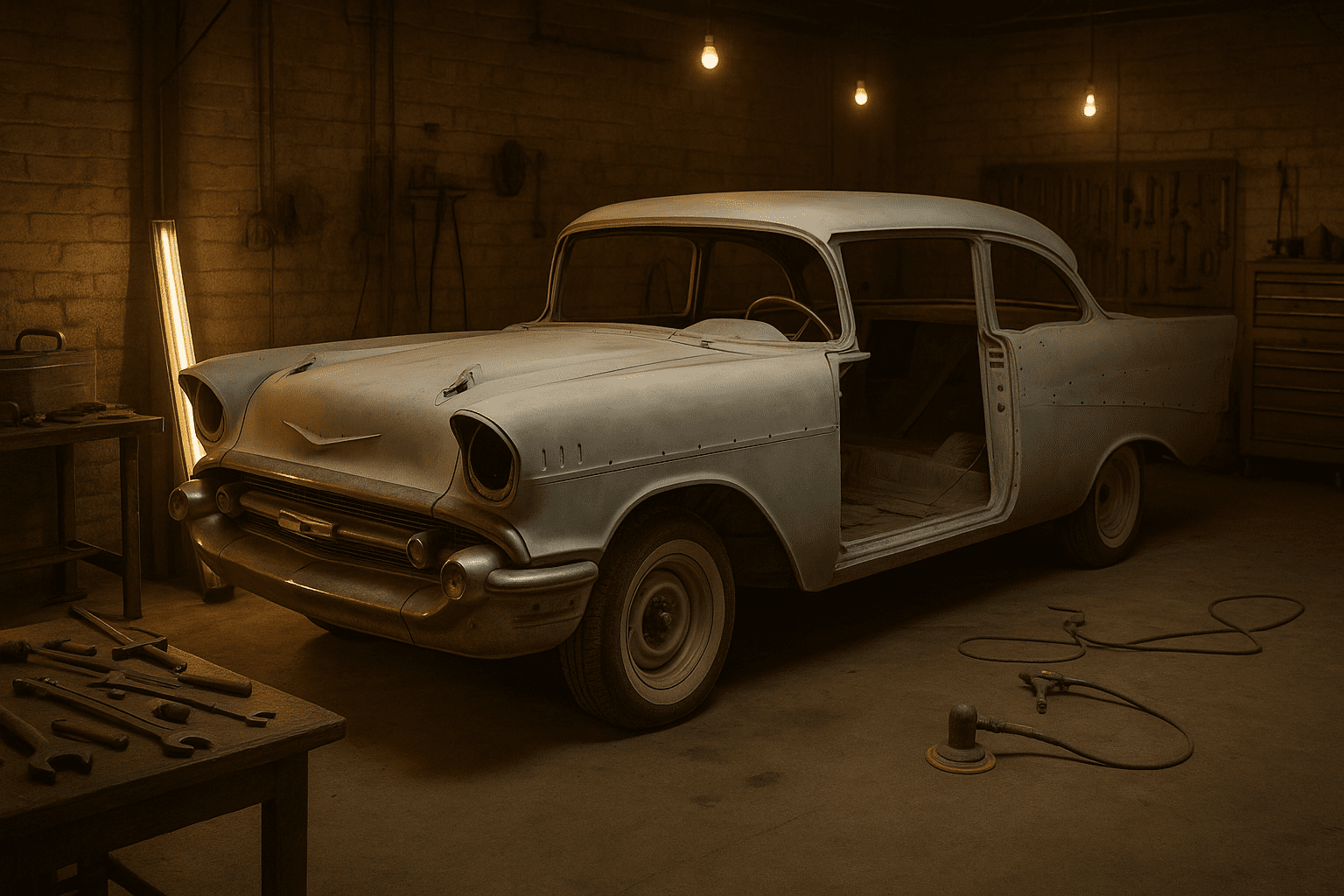
A Labor of Love — and a Serious Investment
Restoring a classic Chevrolet is one of the most satisfying experiences any car lover can take on. But it’s also one of the hardest to budget. Whether you’re rebuilding a Tri-Five Chevy (see our full guide here), tackling a first-generation Camaro, or bringing a Chevelle SS back from the brink, the costs depend on your goals, the car’s condition, and how much of the work you’re willing to take on yourself.
Many enthusiasts start with the idea of a “quick refresh.” Then they strip a fender and discover rust, tired wiring, or old body filler from a 1980s respray. What began as a weekend project suddenly turns into a full restoration. So how much does a Chevy restoration really cost today?
What Really Determines the Cost
The first factor is the starting condition. A clean, running car with minimal rust might save you tens of thousands compared to a barn find. Rust repair, metal fabrication, and panel replacement are the fastest ways to blow a budget.
The level of restoration matters, too. A simple “driver-quality” build — good paint, reliable engine, decent interior — can usually be done for $25,000–$50,000. A full frame-off Chevy restoration, where every nut, bolt, and panel is refurbished or replaced, can easily top $100,000.
Shops like Hillbank USA and City Classic Cars show similar ranges, with professional, show-ready builds costing well into six figures depending on parts availability and labor time.
Paint, Body, and Chrome — Where the Money Starts
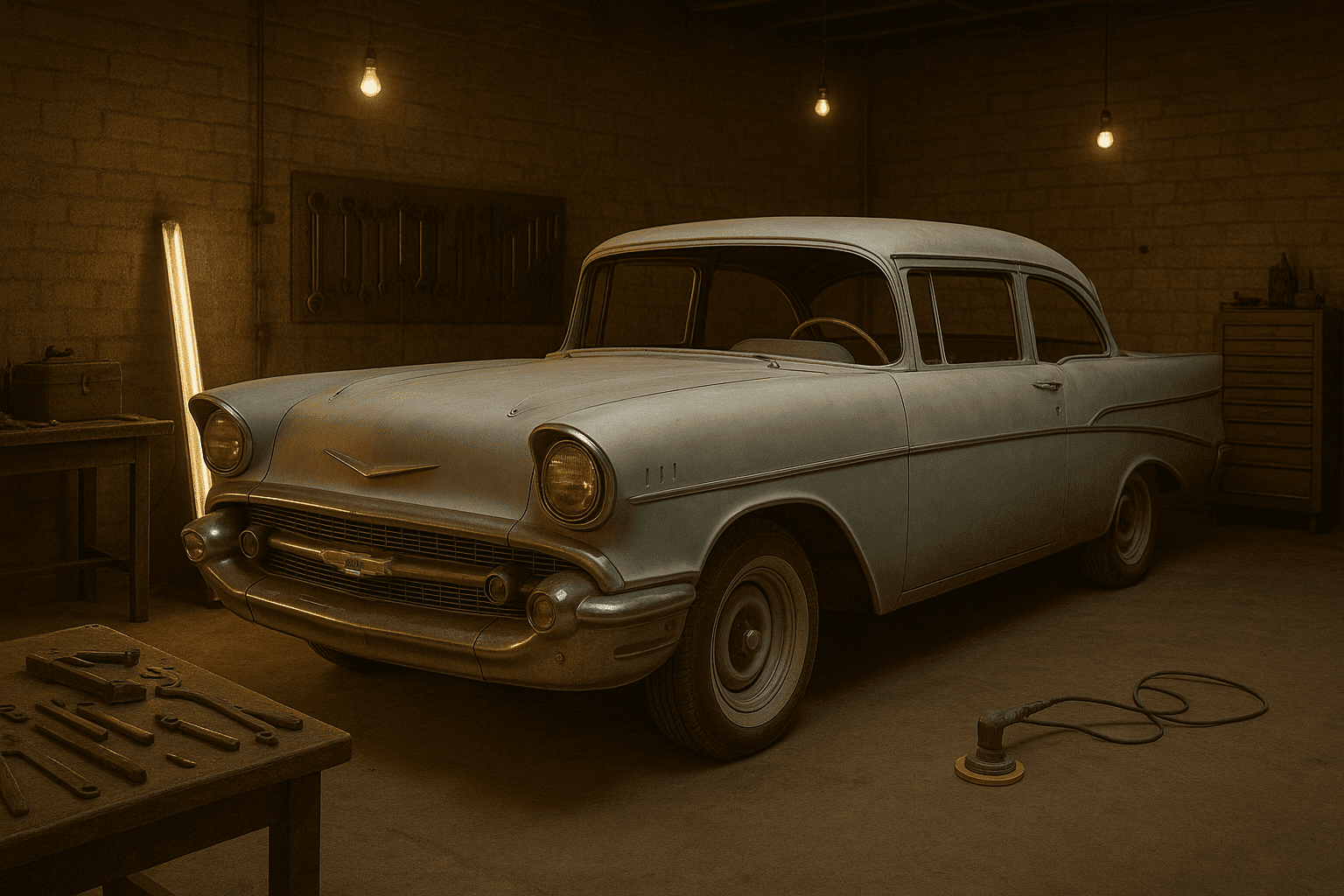
If you’ve ever painted a car yourself, you already know: paint and bodywork eat the lion’s share of a restoration budget. A proper job means stripping to bare metal, repairing rust, aligning panels, blocking, priming, and spraying high-quality materials. Even a modest driver-quality paint job runs around $8,000 to $15,000, while a show-quality finish can exceed $25,000.
If you’re planning a color change or metallic finish, costs climb further. We’ve broken down the process in our Body and Paint Restoration Tips article if you want to understand why paint quotes vary so much.
Chrome and trim also add up fast. Re-chroming bumpers, polishing stainless, and replacing emblems can easily consume several thousand dollars — especially for Bel Airs or Impalas loaded with brightwork.
Engines, Drivetrains, and Performance Upgrades
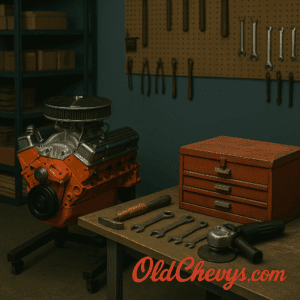
Next comes the heart of your Chevy — the engine. A mild rebuild on a small-block 350 might cost $3,000–$5,000, while a performance build or crate engine swap (like an LS3 or 383 stroker) can run $10,000–$15,000+ once you include the accessories, wiring, and exhaust.
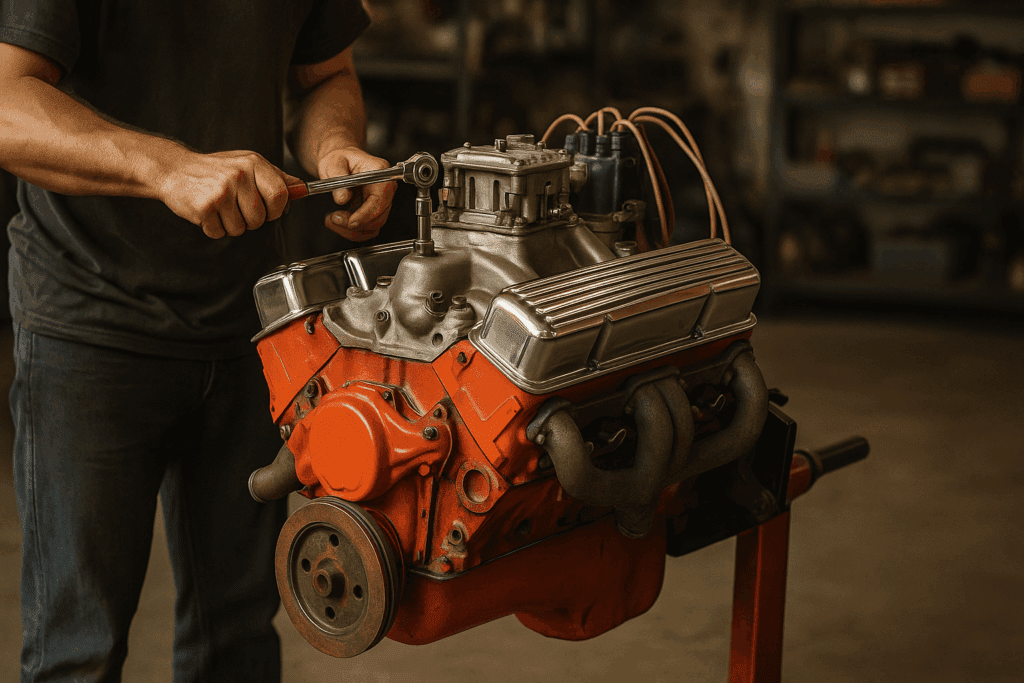
If you’re planning to upgrade the transmission or rear end, budget another few thousand. Going from a Powerglide to an overdrive automatic or T56 manual adds cost, but it dramatically improves drivability. You can read more about small-block Chevy engine choices in our guide to How to Restore a Chevy Small Block V8.
Brake performance issues are one of the most overlooked ownership risks, especially when dealing with classic Chevy brake problems on older drum systems.
The Interior: Comfort Meets Cost
Interior restoration is often underestimated. A full re-trim — seats, carpet, door panels, headliner, dash, and trim — can cost anywhere from $4,000 to $8,000, depending on materials. Custom upholstery, restored gauges, and OEM-correct trim will push it higher.
Our article on Chevy Interior Restoration Essentials breaks down how to balance originality with comfort upgrades, like modern sound deadening or digital gauge clusters that keep a stock look.
Hidden Expenses You’ll Definitely Encounter
Every restorer eventually finds a few nasty surprises. Maybe it’s rust under the seam sealer, a hacked wiring harness, or a cracked frame mount hidden by grease. These hidden costs can add thousands — and they always show up when you least expect them.
That’s why seasoned restorers recommend adding 15–25% extra to whatever you think your budget is. It’s not pessimism — it’s experience. Even small stuff adds up: masking tape, degreasers, bolts, polishing pads, sandpaper, and solvents can easily total over $1,000 before the car ever sees paint.
For a deeper look at the realities of cost overruns, Eastwood’s Garage has an excellent breakdown on labor, materials, and shop rates.
Doing It Yourself vs. Hiring a Pro
If you’ve got tools, space, and patience, you can save thousands doing parts of the job yourself. Stripping, disassembly, and small mechanical work are safe DIY zones for most hobbyists. But unless you’re experienced, leave bodywork, engine machining, and paint to professionals — fixing mistakes later costs far more.
If you’re unsure who to trust, our Chevy Restoration Shop Guide walks you through how to find reputable shops, check credentials, and avoid “restoration mills” that cut corners.
Average Chevy Restoration Cost in 2025
Across hundreds of owner reports and shop quotes, here’s what’s typical today:
- Mild restoration (running driver): $10,000–$25,000
- Moderate frame-on rebuild: $40,000–$80,000
- Full frame-off, show-quality restoration: $100,000–$150,000+
At $100–$150 per hour in shop labor, a proper build can easily reach 1,000+ hours. When you do the math, the total starts to make sense.
How to Keep Your Restoration Budget Manageable
The smartest builders take it one phase at a time. Focus first on getting the car safe, running, and roadworthy. Then move on to cosmetics. Phasing the project makes it easier to stay motivated and prevents the dreaded “project car fatigue.”
You’ll find practical budgeting tips in our free download:
➡️ Classic Chevy Buyer’s & Restoration Checklist (Free PDF)
Also, stay organized — label every part, take photos, and store bolts and trim in baggies. That attention to detail saves headaches during reassembly and keeps your parts from disappearing over a long build.
Is It Worth the Money?
From a purely financial standpoint, restoring a Chevy isn’t always about profit. Unless you’re working on a rare high-value model, you might not recoup every dollar. But from an emotional standpoint? It’s worth every penny.
Hearing that freshly rebuilt small-block rumble for the first time, seeing new paint glisten under shop lights — those are moments you can’t buy. Classic car ownership is as much about the journey as the destination.
If you want to see what’s possible, check out our Reader Builds section, where real Chevy enthusiasts share their full restoration stories and budgets.
A Timeless Piece of American History
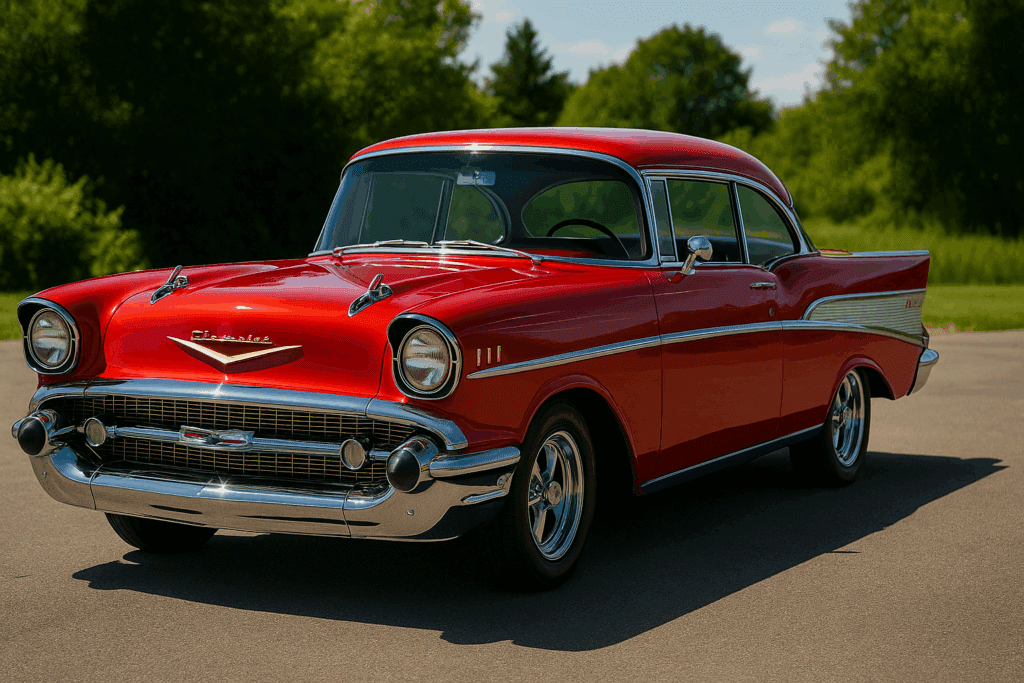
Restoring an old Chevy isn’t about cutting corners — it’s about craftsmanship, patience, and pride. The costs can be high, but the result is a timeless piece of American history that you helped save.
Whether it’s a family heirloom, a long-dreamed-of Bel Air, or a rusted C10 you pulled from a field, every Chevy restoration tells a story. Take your time, do it right, and you’ll end up with more than a car — you’ll have a legacy.