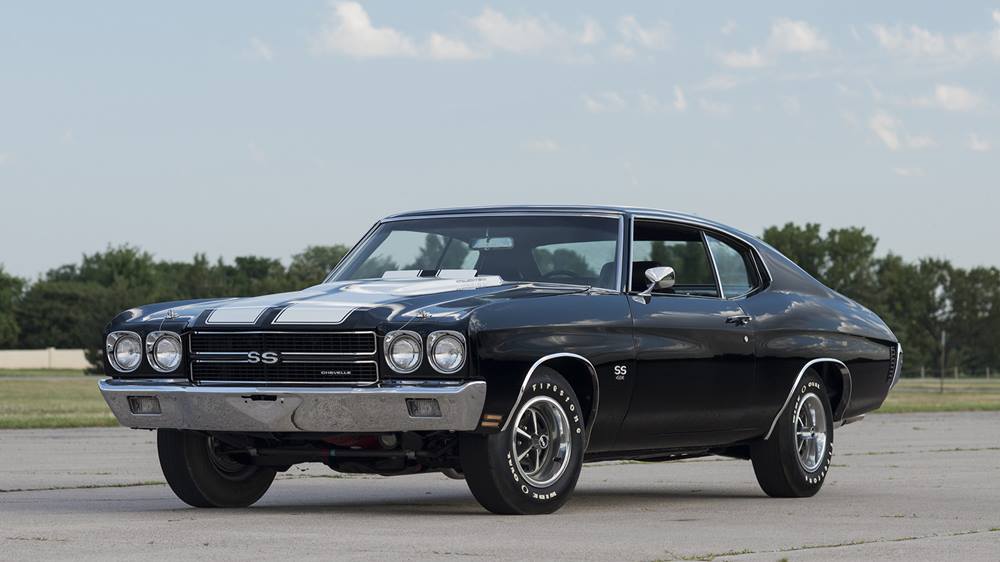
Investing in a Chevrolet can be both a passion project and a smart financial move. This classic chevy investment guide outlines the Chevy models that consistently hold value, the traits that make a car collectible, and strategies for maximizing return. If you’re considering investing in classic Chevrolets, this guide will help you avoid mistakes and make informed choices.
Why Some Chevys Become Valuable Investments
Not every car qualifies as a sound classic Chevy investment. Factors like rarity, cultural impact, and strong demand separate high-value Chevys from average classics.
Key drivers of Chevy collector investment potential include:
- Rarity & production numbers — Limited production Chevys are always in demand.
- Cultural or motorsport heritage — Cars tied to racing or pop culture often hold or increase in value.
- Matching numbers & authenticity — Documentation of original drivetrains is crucial in any classic chevy value guide. Use our Chevy VIN Decoder to confirm originality.
- Large enthusiast market — Chevys benefit from wide appeal and active resale channels.
- Affordable restoration — Strong aftermarket support keeps Chevy restoration costs lower, enhancing ROI. For suppliers, check our Top Chevy Parts Suppliers Online and Timeless Guide to Muscle Car Investment)
Top Classic Chevy Models That Hold Value
Tri-Five Chevys (1955–1957 Bel Air / 210 / 150 / Nomad)
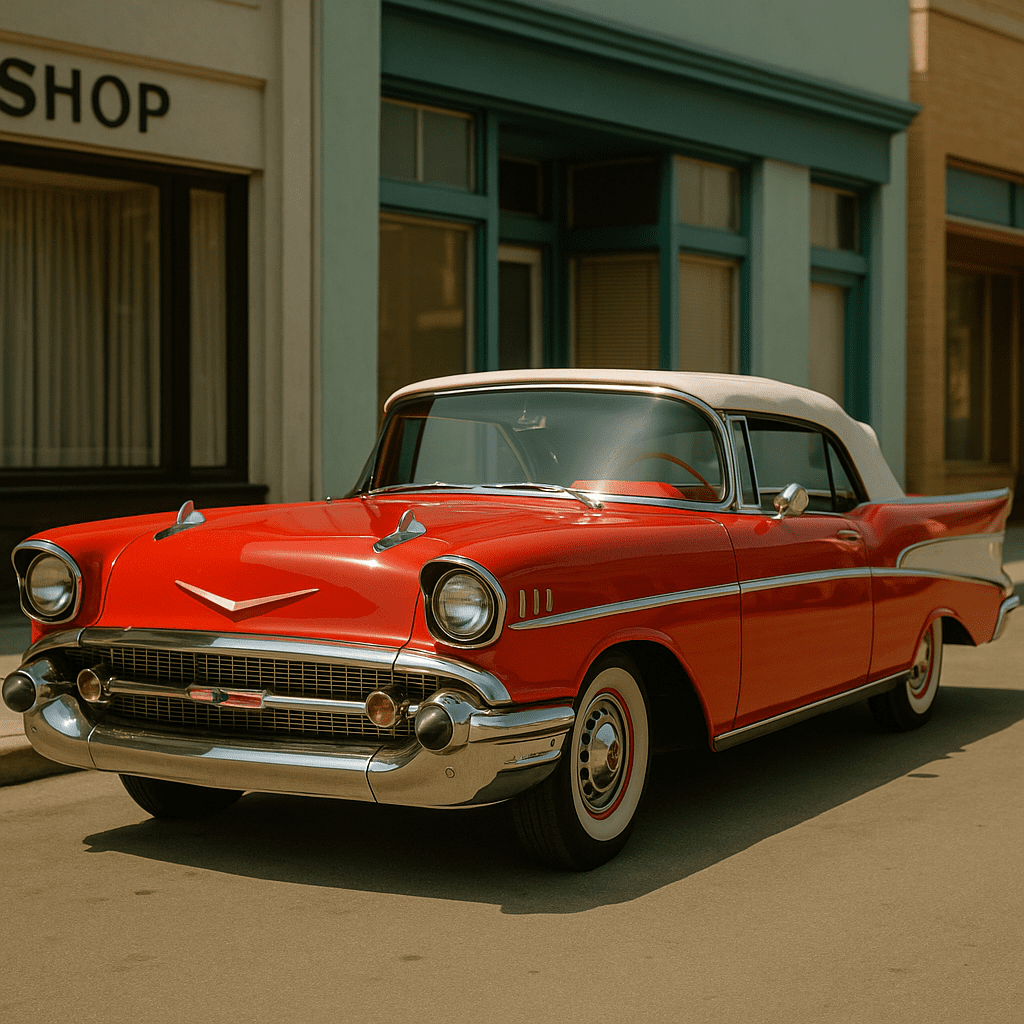
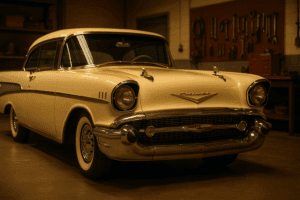
The Tri-Fives are the backbone of many classic Chevy investment portfolios. Their iconic styling and collector demand make them one of the best classic Chevys to invest in. Numbers-matching Bel Airs, especially from 1957, command premium auction prices. Learn more in our full Tri-Five Chevy Guide.
First-Generation Camaro (1967–1969)
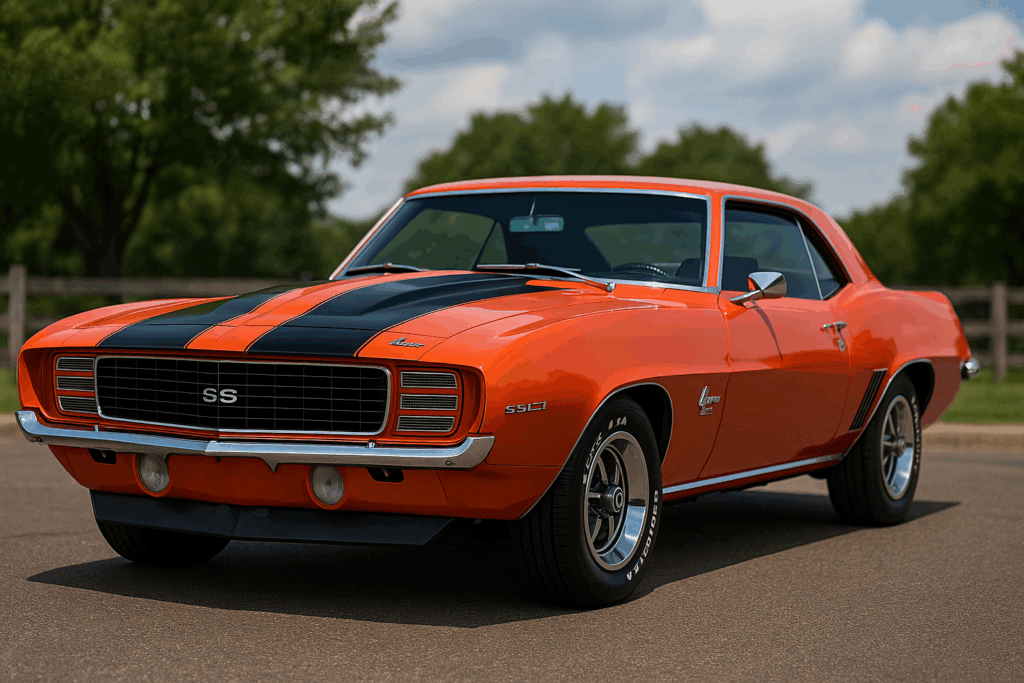
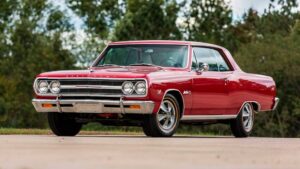
The Camaro remains one of the top Chevy models that hold value. RS, SS, and Z/28 trims with original engines are especially desirable. Clean examples offer strong classic Chevy ROI for investors looking at muscle cars.
Corvette C1 (1953–1962)
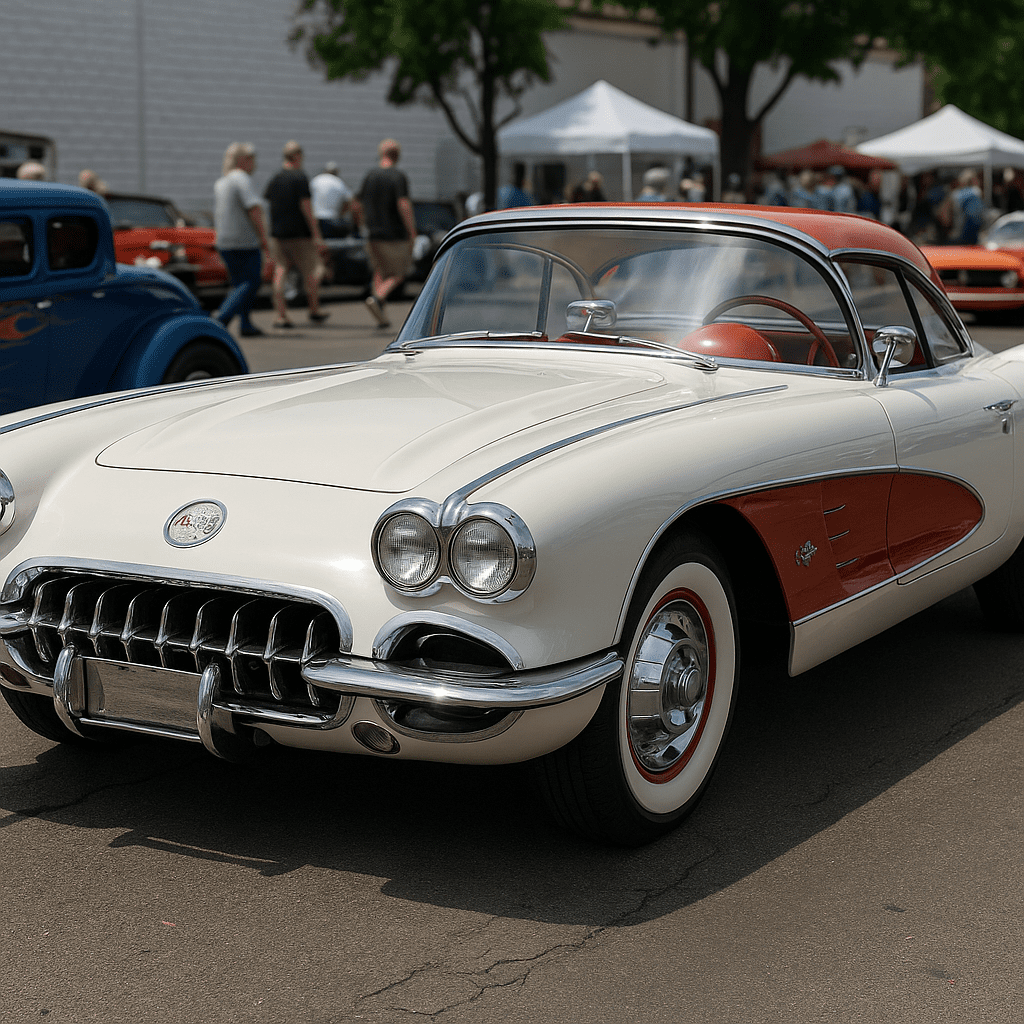
Early Corvettes are some of the highest-value Chevys. Their rarity, fiberglass design, and performance pedigree make them a cornerstone of many classic chevy investment strategies. (MyArtBroker Top Cars)
Chevy C10 Pickups (1960s–early 1970s)
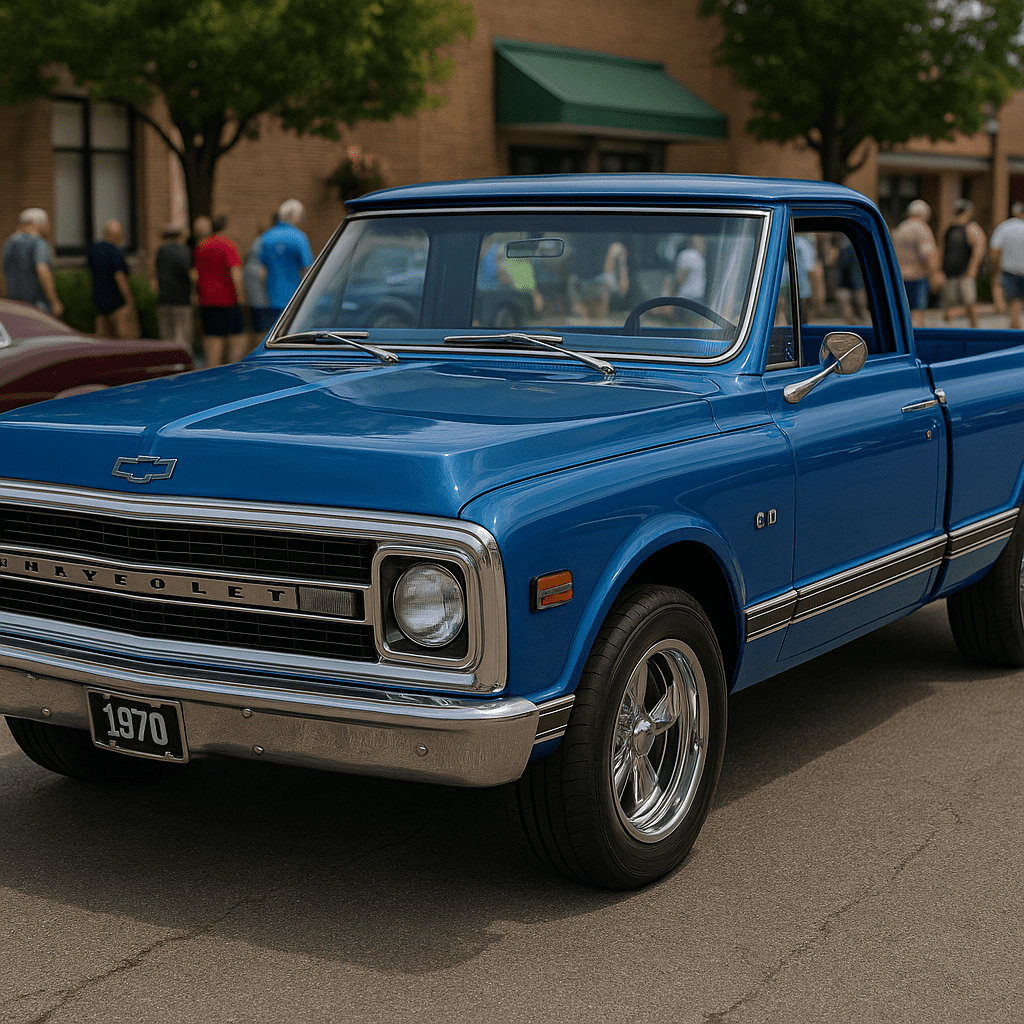
Once workhorses, these trucks are climbing steadily in classic Chevy market trends. Their versatility makes them appealing for both restorations and restomods.
Chevy Impala & Full-Size Models (late ’50s–mid ’60s)
With big-block options and stylish designs, Impalas remain strong candidates in any classic Chevy value guide. Investors should seek originality over heavily modified versions.
Evaluating Investment Potential
When deciding which Chevy makes the safest collector car investment, apply these checks:
- Originality & matching numbers — Essential for long-term appreciation. Confirm details with our Chevy VIN Decoder Guide.
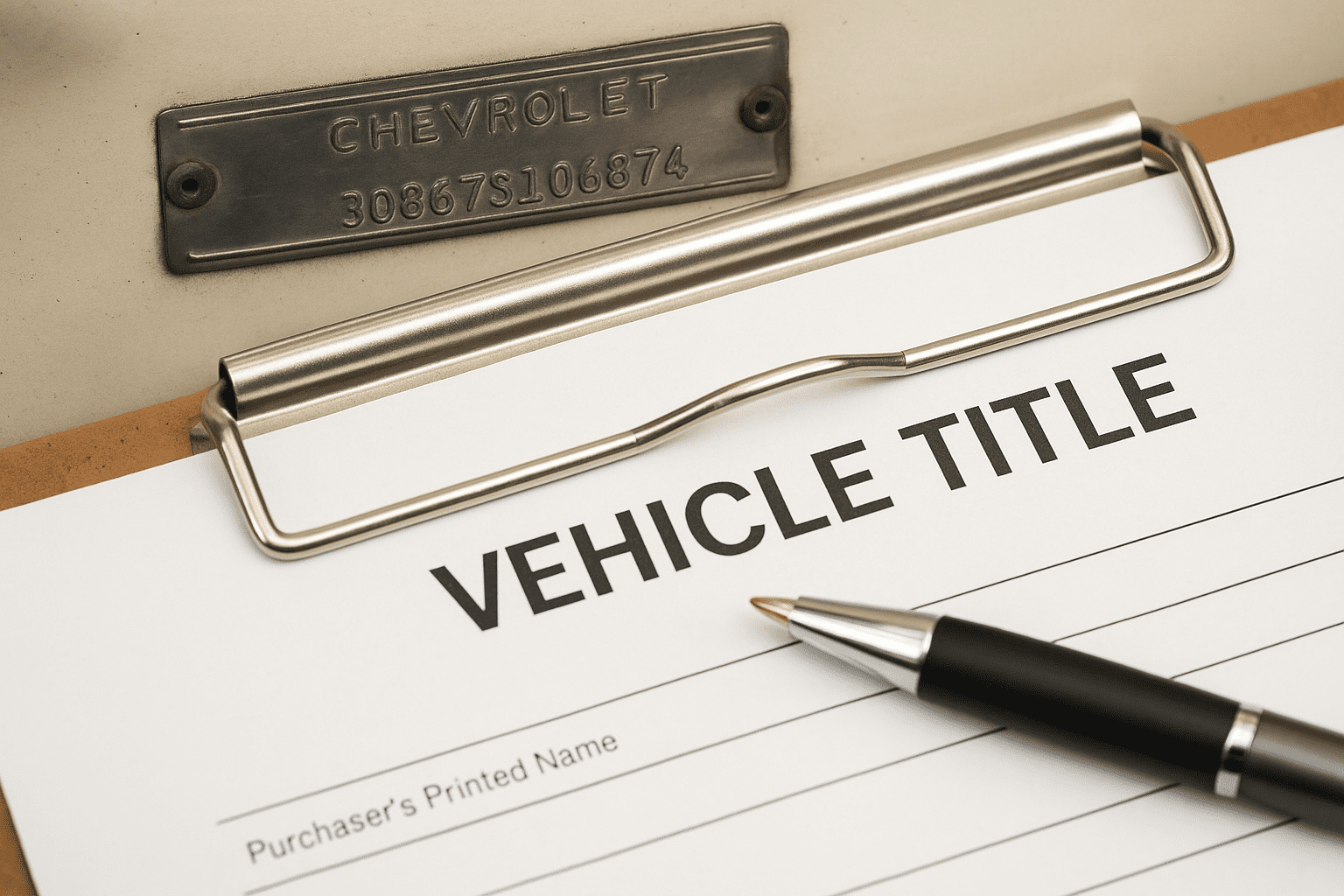
- Documentation — Titles, service records, and restoration photos support authenticity.
- Condition — Concours-level cars often appreciate faster than over-customized builds.
- Rare option packages — Special trims and limited runs boost Chevy appreciation potential.
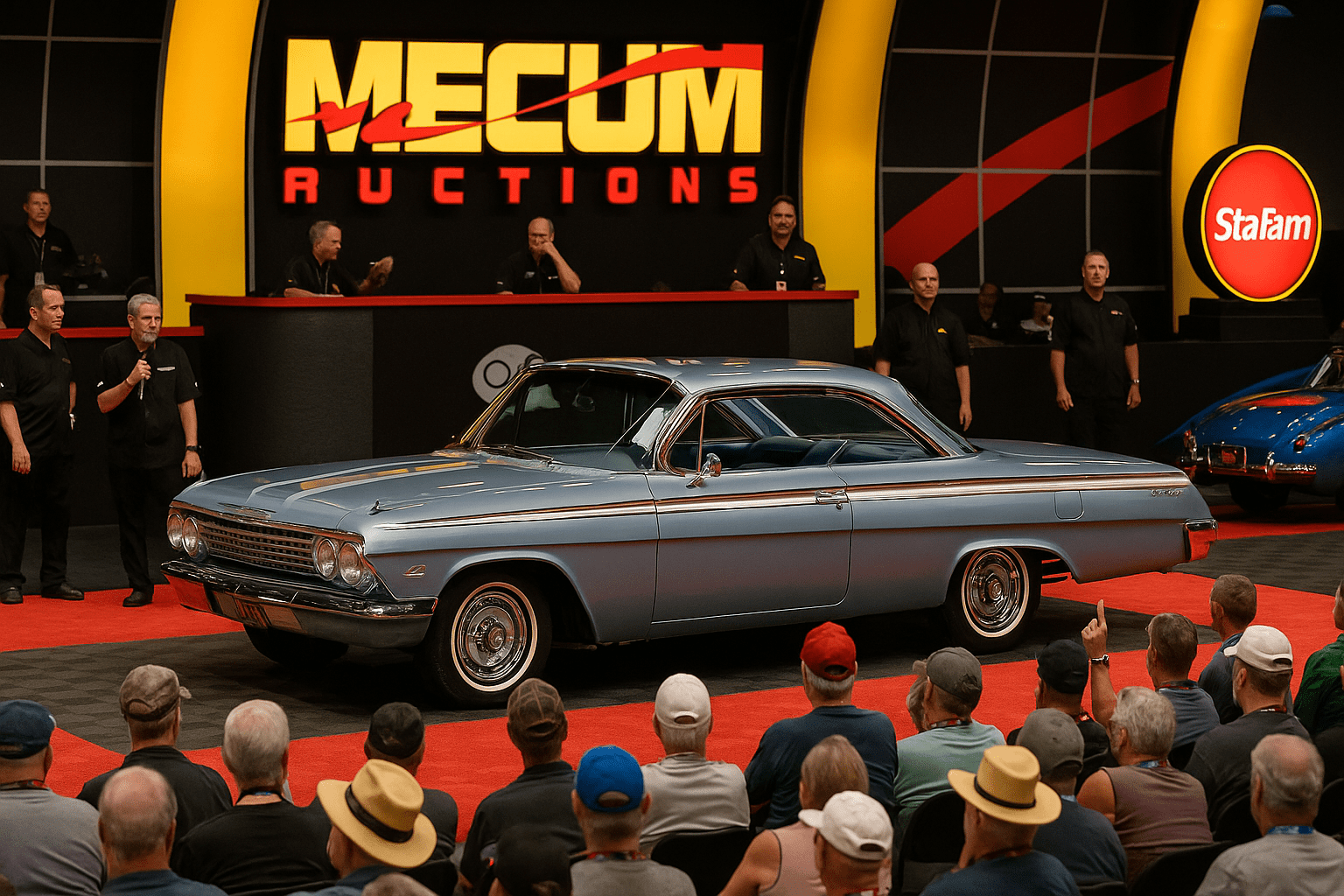
- Market timing — Monitor classic Chevy market trends through auctions like Mecum Auctions and Barrett-Jackson.
How Much Do Classic Chevys Appreciate?
While every case is unique, history shows:
- Tri-Five Chevys can gain 5–10% annually in strong markets.
- Well-documented Camaros often outperform inflation in collector markets.
- Early Corvettes (C1) are among the highest-value Chevy classics, often outpacing other muscle cars.
Tracking classic Chevy ROI means balancing appreciation with costs like storage, insurance, and upkeep.
Risks & Pitfalls
Even in a solid classic Chevy investment strategy, risks exist:
- Overpaying for hype or poor restorations.
- Hidden rust or mismatched parts reducing value.
- Market volatility tied to changing collector tastes.
- High storage and insurance costs cutting into returns.
Always have an exit strategy and lean on trusted resources like our Classic Chevy Buyer’s Guide before making a decision.
Building Your Classic Chevy Investment Guide Strategy
- Buy the best condition you can afford — originality trumps cosmetics.
- Diversify — consider cars from different eras (Tri-Five, Camaro, Corvette).
- Use resources like our Classic Chevy Buyer’s Guide to refine your approach.
- Watch auction houses like Mecum Auctions and Barrett-Jackson for classic Chevy market trends.
- Keep full documentation to protect future value.
Frequently Asked Questions
What is the best classic Chevy to invest in?
The 1955–1957 Tri-Five Chevys, first-generation Camaros, and early C1 Corvettes are among the best classic Chevys to invest in. These models combine strong demand, historical significance, and excellent aftermarket support, making them reliable long-term investments.
Do classic Chevys really appreciate in value?
Yes, many Chevys show steady appreciation over time, especially well-documented, original-condition models. Tri-Fives and early Corvettes often outpace inflation, while Camaros and C10 pickups have surged due to rising demand.
How do I know if a Chevy has investment potential?
Look for matching numbers, originality, clear documentation, and desirable option packages. Cars with strong provenance and limited production runs usually hold value best. Use the Chevy VIN Decoder for verification.
Are restored Chevys good investments?
Professionally restored Chevys with correct parts and documentation can be excellent investments. However, poorly restored or over-customized cars may not hold value, so buyers should verify restoration quality before purchase.
What risks come with investing in classic Chevys?
Risks include overpaying for hype, hidden rust or mechanical problems, and market shifts. Carrying costs like insurance and storage can also impact ROI, so factor them into your investment strategy.