
A numbers-matching classic Chevy means the VIN, engine casting numbers, date codes, and suffix stamps all align with the car’s original build. You verify it by decoding the VIN, checking engine and component castings, and confirming dates fall within the correct production windows. Mismatches aren’t always bad—but undisclosed ones hurt value.
Why This Matters (and Why Owners Get Confused)
“Numbers matching” is one of the most misunderstood phrases in the classic Chevy world. Sellers often use it loosely, buyers assume it guarantees originality, and restorers discover late in the process that parts don’t line up.
Why it matters:
- Value: Correct numbers can significantly affect the price of Tri-Five Chevys, muscle cars, and rare trims.
- Authenticity: Documentation protects you during resale, insurance, and appraisal.
- Expectations: Many factory-correct cars no longer exist exactly as built—and that’s normal.
Confusion happens because GM used multiple identification systems, service replacement parts were common, and practices changed from the 1950s through the 1970s. Understanding the system prevents overpaying—or undervaluing a good car.
What “Numbers Matching” Actually Means (Chevy-Specific)
The VIN Must Align With the Car
- The VIN confirms model year, plant, body style, and engine type.
- Pre-1968 VINs often do not include the full engine VIN, which changes how you verify originality.
- Start here: How to Decode a Classic Chevy VIN
Risk if ignored: You may misidentify a clone or re-body.
Engine Block Casting Number Matches the Correct Application
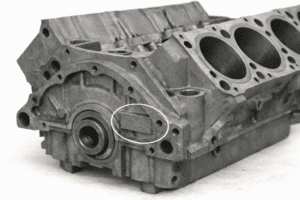
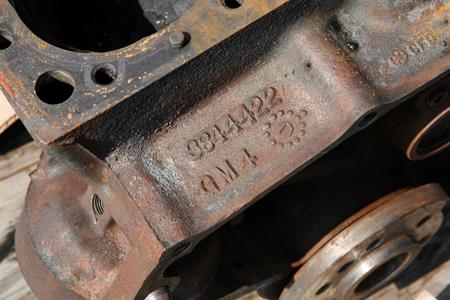
- Found on the rear bellhousing area (small-block and big-block V8s).
- Confirms block type, displacement range, and era.
- Casting numbers alone do not prove originality—they only confirm compatibility.
Risk if ignored: Assuming “correct casting” means original engine.
Date Codes Must Pre-Date the Car’s Build
- Engine, heads, intake, and major components have cast date codes.
- These dates should precede the vehicle’s assembly date, usually by weeks, not years.
Risk if ignored: Late-date parts indicate replacements or restamps.
Engine Suffix Code Confirms Original Configuration
- Stamped on the engine pad (front passenger side on most V8s).
- Identifies horsepower rating, transmission, and application.
- Partial VIN stamps are visible on many 1968 and later engines.
Risk if ignored: You may misrepresent the engine’s originality or specs.
How to Tell if Your Classic Chevy Is Numbers Matching (Step-by-Step)
Step 1: Decode the VIN
Start by confirming the car’s year, plant, body style, and original engine using a VIN decoder. How to Decode a Classic Chevy VIN
Confirm year, plant, model, and original engine type. This sets the baseline.
Difficulty: Easy
Cost: Free
Step 2: Locate the Engine Block Casting Number
Clean the bellhousing flange area and record the full casting number. Once you record the block casting number, verify its application using a casting number lookup before assuming originality. Classic Chevy Casting Number Lookup
- Confirms era and displacement family
- Does not confirm the engine is original to the car
Difficulty: Easy–Moderate
Cost: Free
Step 3: Verify Engine Date Code
Check the cast date near the distributor or bellhousing. Date codes should fall within a reasonable window before the vehicle’s build date, which can be confirmed using a date code decoder. Classic Chevy Date Code Decoder
Rule of thumb:
- Dates should precede the car’s build by 2–12 weeks
- Much earlier dates may still be acceptable on slow-moving models
Red flag: Dates after the car’s assembly month.
Step 4: Decode the Engine Suffix Stamp
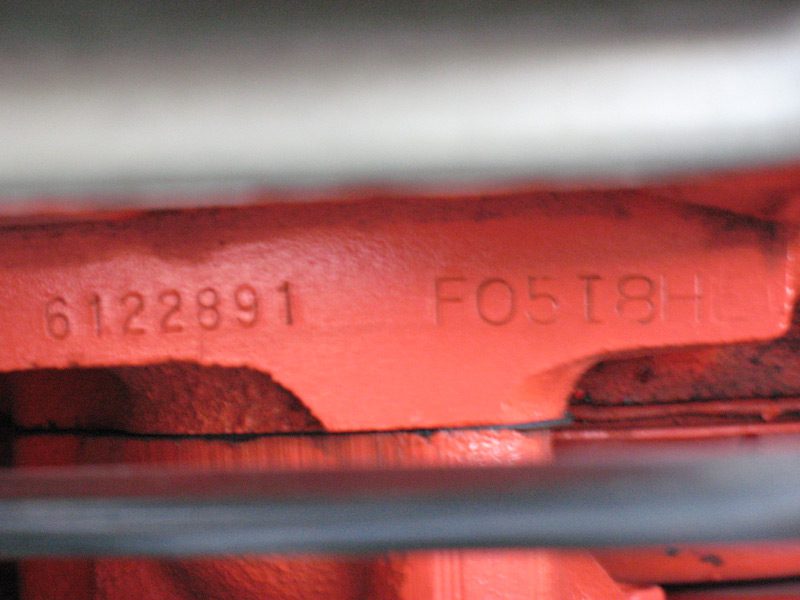
Inspect the engine pad for suffix codes and partial VINs. The suffix code confirms horsepower rating, transmission, and factory application—details you can verify with a suffix code lookup. Classic Chevy Engine Suffix Code Lookup
- Suffix codes confirm original application
- Partial VIN must match the vehicle VIN (1968+)
Warning: Fresh machining, uneven fonts, or misaligned characters suggest restamping.
Step 5: Cross-Check Major Components
For high-value cars, verify:
- Cylinder heads
- Intake manifold
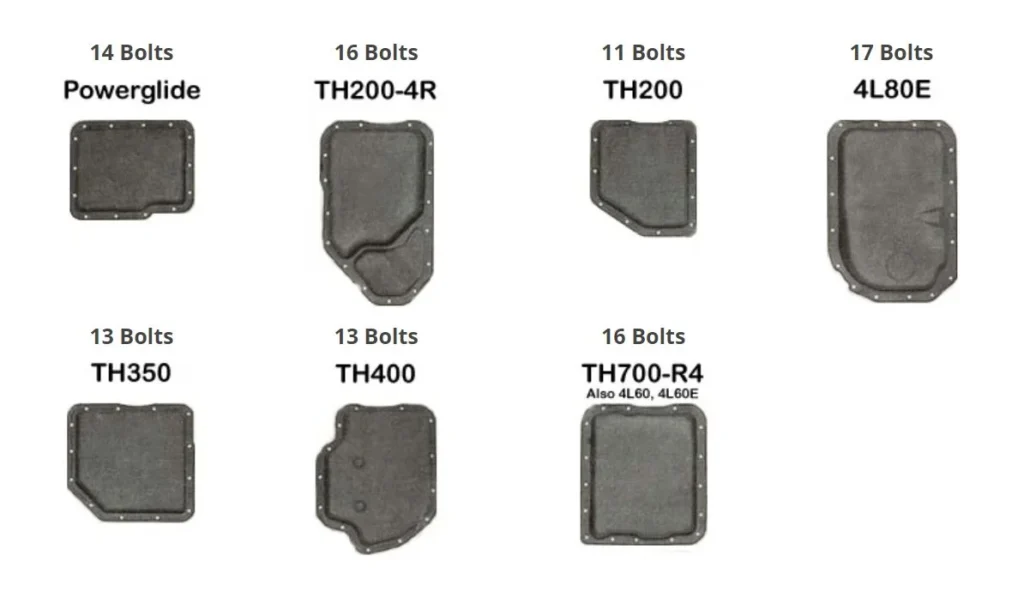
- Transmission (Muncie, Powerglide, TH350/400)
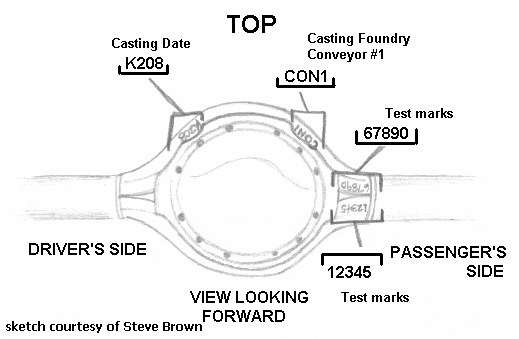
- Rear axle date and ratio
Where to Find VINs, Casting Numbers, and Date Codes
- VIN: Dash, door pillar, frame (varies by year)
- Engine block casting: Rear of block at bellhousing
- Suffix code: Front engine pad
- Transmission: Case side or tailhousing
- Rear axle: Passenger-side tube stamping
A visual guide is critical—many mistakes happen simply because owners look in the wrong place.
Year-by-Year Differences That Matter
1955–1957 (Tri-Five)
- No partial VIN on engines
- Numbers matching relies on casting numbers + dates
- Original engines are rare due to early swaps
1958–1967
- Still no full VIN stamping
- Suffix codes and date windows are key
- Service replacement engines are common
1968–1972
- Partial VIN stampings begin
- Easier to confirm true originality
- High scrutiny on muscle-era cars
1973–1979
- Emissions-era engines
- Lower collector pressure for matching numbers
- Original drivetrains still matter on special trims
Common Scenarios (and What They Really Mean)
“Correct Casting, Wrong Date”
- Likely a period-correct replacement
- Acceptable for drivers and many restorations
- Should not be advertised as numbers matching
“Original Engine, Replacement Heads”
- Very common
- Slight value impact depending on the model
- Transparency matters more than perfection
“Restamped Engine Pad”
- Major red flag
- Can invalidate originality claims
- Professional inspection recommended
Mistakes Owners Commonly Make
- Calling a car numbers matching based on the casting number alone
- Ignoring date codes entirely
- Assuming engine swaps are rare (they aren’t)
- Overpaying for “numbers matching” without documentation
- Failing to disclose known mismatches during the sale
These mistakes cause disputes, returns, and reputation damage—especially online.
How Numbers Matching Affects Value (Realistic Expectations)
- High-impact: Tri-Five Chevys, big-block muscle cars, rare options
- Moderate impact: Common V8 models, mild restorations
- Low impact: Drivers, restomods, engine-swapped cruisers
Numbers matching increases value only when buyers care. Many prefer reliability upgrades—as long as they’re disclosed.
When to Seek Professional Verification
Get expert help if:
- The car is valued at over ~$40,000
- The engine pad appears altered
- You’re insuring or appraising the vehicle
- A sale or auction is pending
Professional verification protects both buyer and seller.
Related Ownership & Buyer Advice
- Classic Chevy Overheating at Idle
- Vapor Lock in Classic Chevys
- Buyer inspection checklists
- Documentation guides for insurance and resale
These resources help you evaluate the whole car—not just the numbers.
FAQs
Does numbers matching mean every part is original?
No. It typically refers to the engine, transmission, and rear axle—not hoses, carburetors, or accessories.
Can a car be valuable without numbers matching?
Absolutely. Condition, rarity, and quality restoration often matter more.
Are restamped engines always fraudulent?
Not always—but they should be disclosed. Undisclosed restamps are a serious issue.
Should I walk away from a non-numbers-matching car?
Only if originality is your top priority. Many excellent drivers aren’t matching.
It’s a Verification Process
“Numbers matching” isn’t a buzzword—it’s a verification process. Understanding VINs, casting numbers, and date codes protects you from overpaying, misrepresenting, or misunderstanding your classic Chevy. Originality matters—but honesty, documentation, and realistic expectations matter more for long-term ownership.