The Heart of Every Tri-Five Restoration
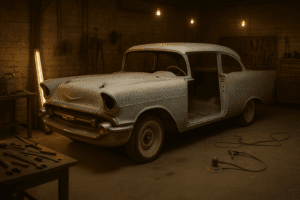
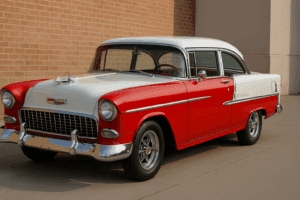
If you’re restoring a 1955, 1956, or 1957 Chevy Bel Air, 210, or 150, you already know why the Tri-Five Chevy body panels are so important. These classic Chevrolets defined mid-century American style, but decades of exposure have left most needing sheet-metal repair and rust restoration.
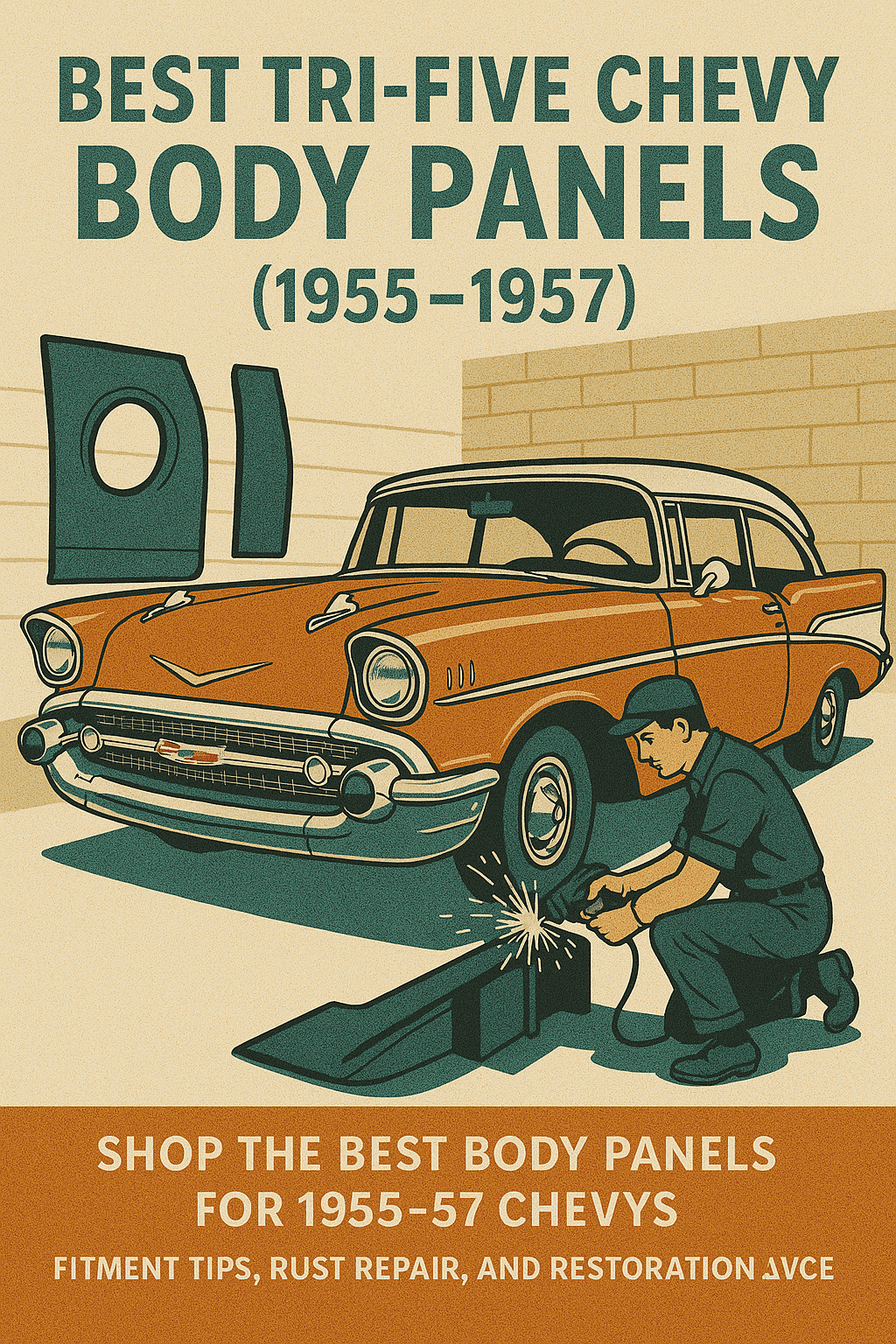
Whether you’re replacing a 1955 Chevy quarter panel, welding in new 1956 Chevy rockers, or sourcing 1957 Chevy replacement panels, this guide walks you through the best panels to buy, how to fit them correctly, and where to find OEM-quality parts that make your Tri-Five restoration look factory-fresh.
Why You Can Trust This Guide
- Real-world restoration experience: The advice and commentary are drawn from actual restorations of Tri-Five Chevys, including panel removal, replacement, and alignment — not just theory.
- Technical knowledge of panels and fitment: Specifications, part-type differences, and compatibility notes are based on both original GM documentation and years of hands-on work with sheet-metal and reproduction panels.
- Balanced and honest assessment: This guide highlights both the strengths and limitations of different body-panel sources (used, repro, OEM), giving readers a practical and realistic view.
- Market-aware perspective: Recommendations account not just for technical fitment but also for availability, reliability, and value — factors restoration buyers and builders often face today.
Understanding Tri-Five Body Design
All Tri-Five Chevys (1955–1957) used a body-on-frame construction. That means panel alignment, rust repair, and body mounts directly affect how doors and fenders line up.
The Bel Air, 210, and 150 models share most of their body panels, though trim and moldings differ by year.
Common rust zones include:
- Lower quarter panels and wheel arches
- Rocker panels beneath doors
- Trunk floors and inner fenders
- Floor pans under the carpet
👉 Also read: How to Fix Rust on a Classic Chevy Frame
1. Quarter Panels: Restoring the Tri-Five’s Signature Curves
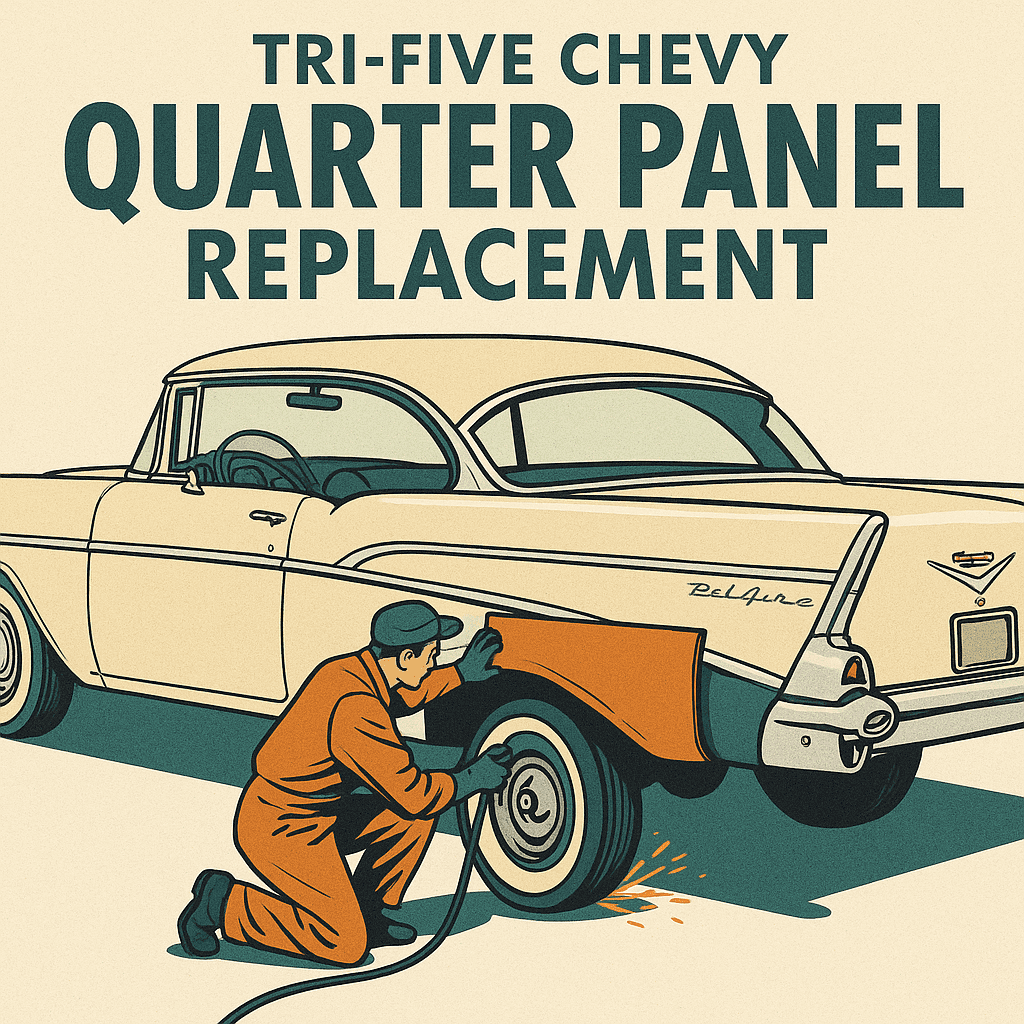
No part defines a Tri-Five Chevy like its quarter panels. The crisp body lines of a 1957 Chevy Bel Air or the clean contours of a 1955 210 sedan rely on these massive pieces of sheet metal being straight and rust-free.
Best replacements:
- Dynacorn – OEM-thickness steel and correct wheel-arch flare
- Golden Star Auto Parts – dependable fitment for coupes and hardtops
- Real Deal Steel – licensed GM reproduction panels
When replacing your 1955–1957 Chevy quarter panels, always test-fit with the doors and trunk installed. Even slight misalignment can throw off the trim line that runs the full length of your Tri-Five.
I’ve sourced both original and reproduction quarter-panels over the years; while repro items are easier to find, matching paint and ensuring rust-free seams still demands careful prep work.
2. Rocker Panels & Door Bottoms: Structural Strength Rebuilt
Soft or sagging door gaps usually trace back to rusted rocker panels. On most Tri-Fives, both inner and outer rockers need replacement.
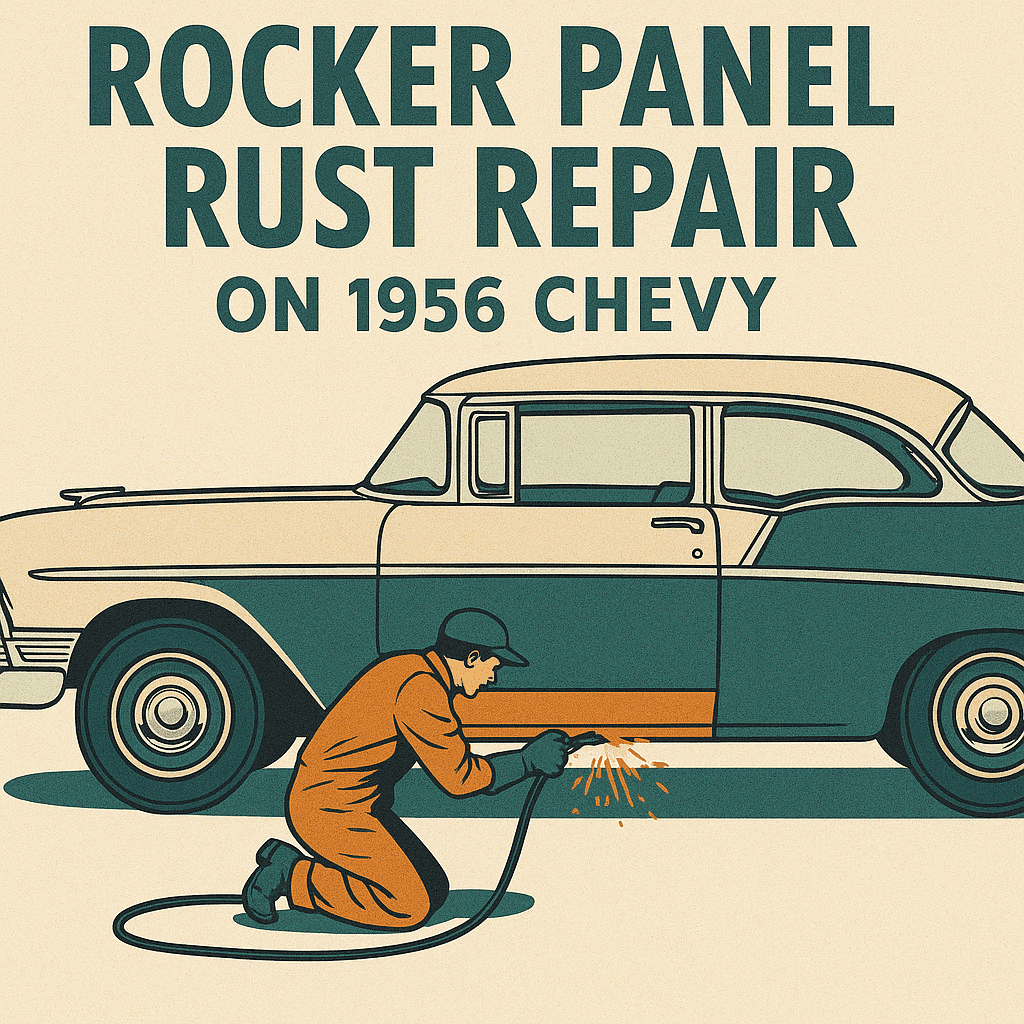
Use weld-through primer and measure door alignment before final welding. Replacing rockers ensures your 1956 Chevy restoration parts fit properly and that the body maintains factory rigidity.
👉 Related guide: Complete 1955 Chevy Bel Air Restoration Guide
3. Floor Pans & Trunk Floors: The Foundation of Every Tri-Five Build
Moisture trapped under carpet or the spare-tire well makes floor pans and trunk floors common problem areas.
If you’re tackling a 1955 Chevy floor-pan replacement, consider full stamped panels from Auto Metal Direct (AMD). They match factory contours far better than patch panels and reduce labor time.
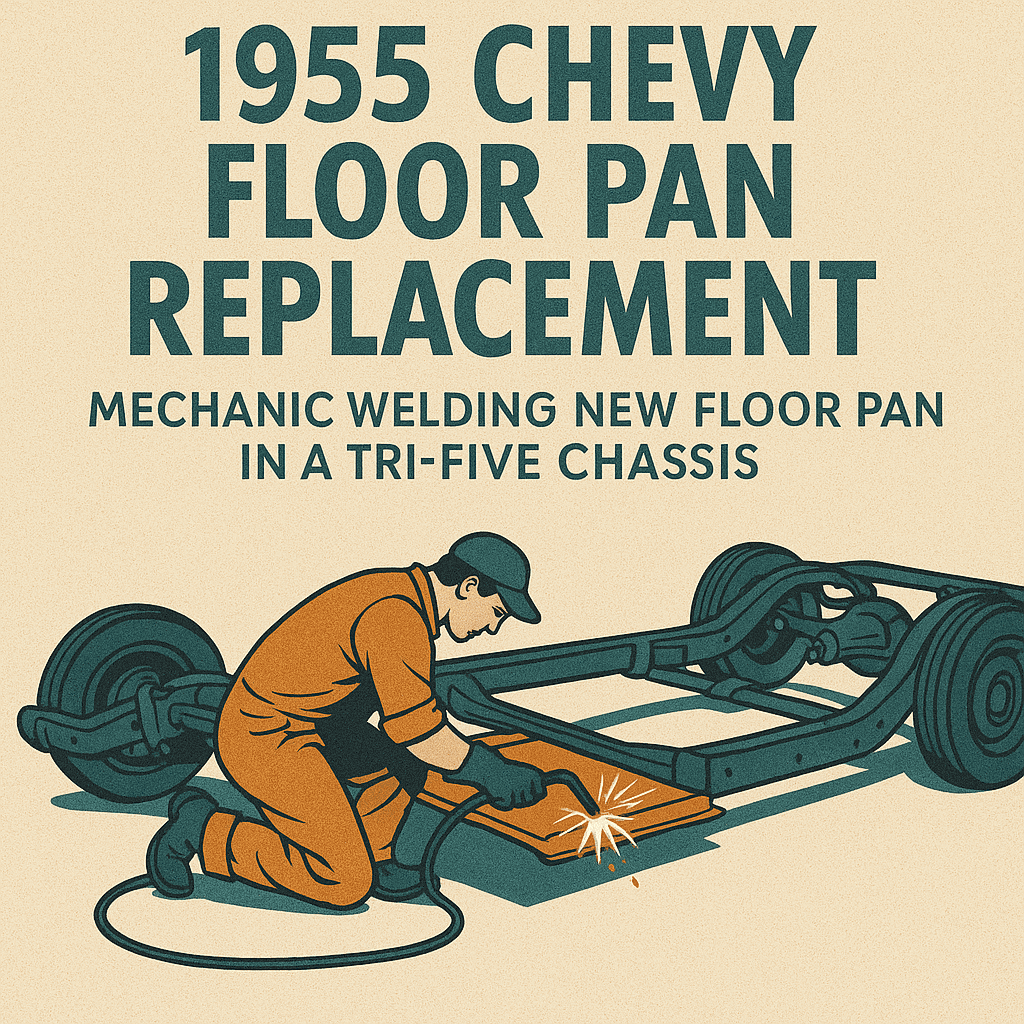
For the rear section, Danchuk Manufacturing produces factory-style Tri-Five trunk floors with proper drain holes and bracing.
Seal every seam after welding with a quality seam sealer, then undercoat to protect against future rust.
On the 1956 210-series I restored, I found that repro floor pans required minor trimming before a clean fit — even though specs matched.
4. Fenders & Inner Wells: Achieving Perfect Front-End Fitment
Front fenders define the look of a classic Chevy — especially the ’55’s smooth curves and the ’57’s bold chrome eyebrows. Poorly fitting fenders can ruin paint alignment across the hood and doors.
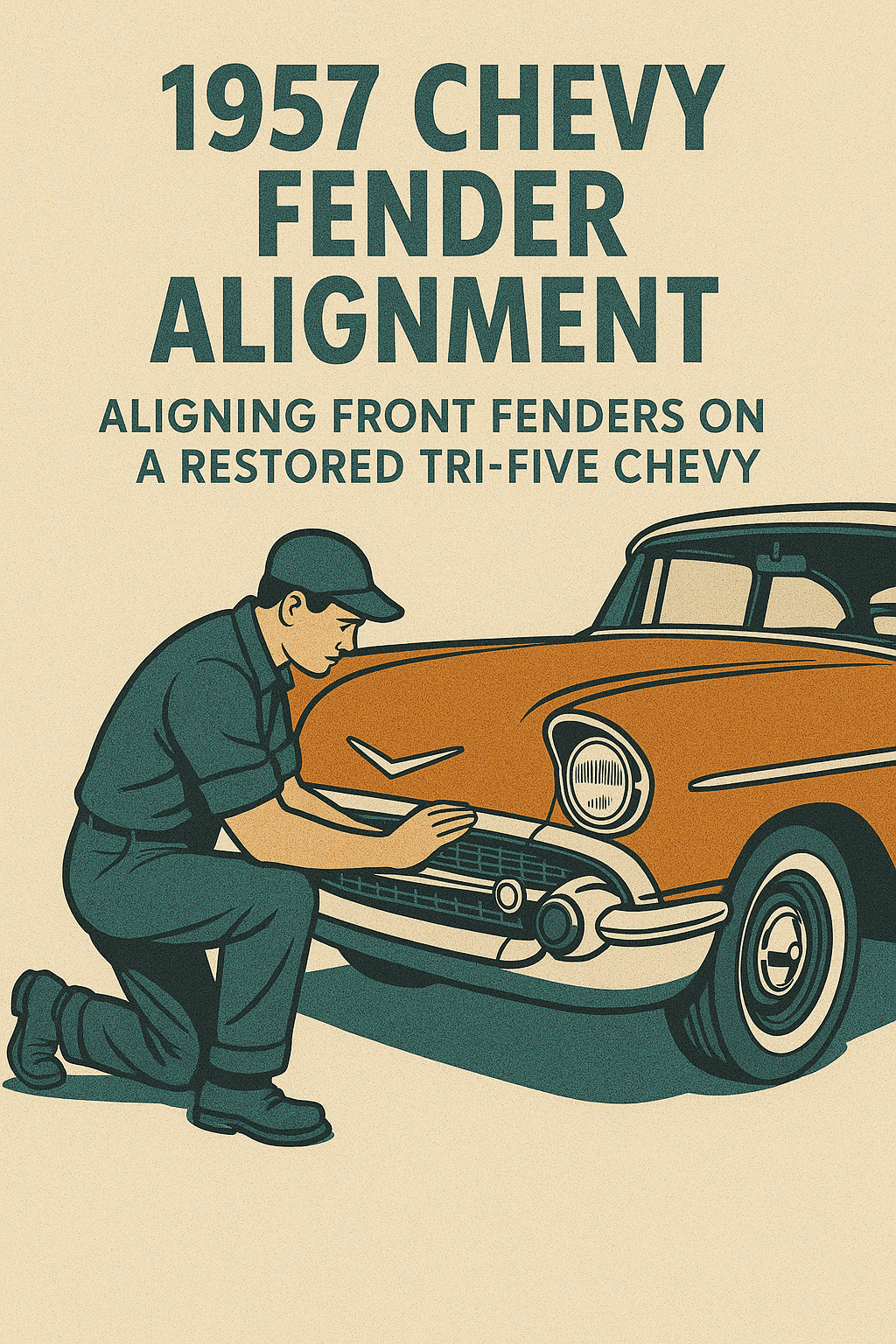
Choose AMD or Classic Industries for accurate stampings. Always test-fit before painting and align your hood, doors, and fenders together for proper body-panel fitment.
💬 Tip: Visit Tri-Five.com Forums for owner-tested advice on 1957 Chevy fender alignment and classic Chevy rust repair techniques.
5. Hoods, Deck Lids & Tail Fins: Finishing With Perfection
Few sights beat the chrome-tipped tail fins of a 1957 Chevy or the clean hood lines of a 1955 Bel Air. Reproduction panels vary in quality, so verify inner bracing and hinge-mount strength.
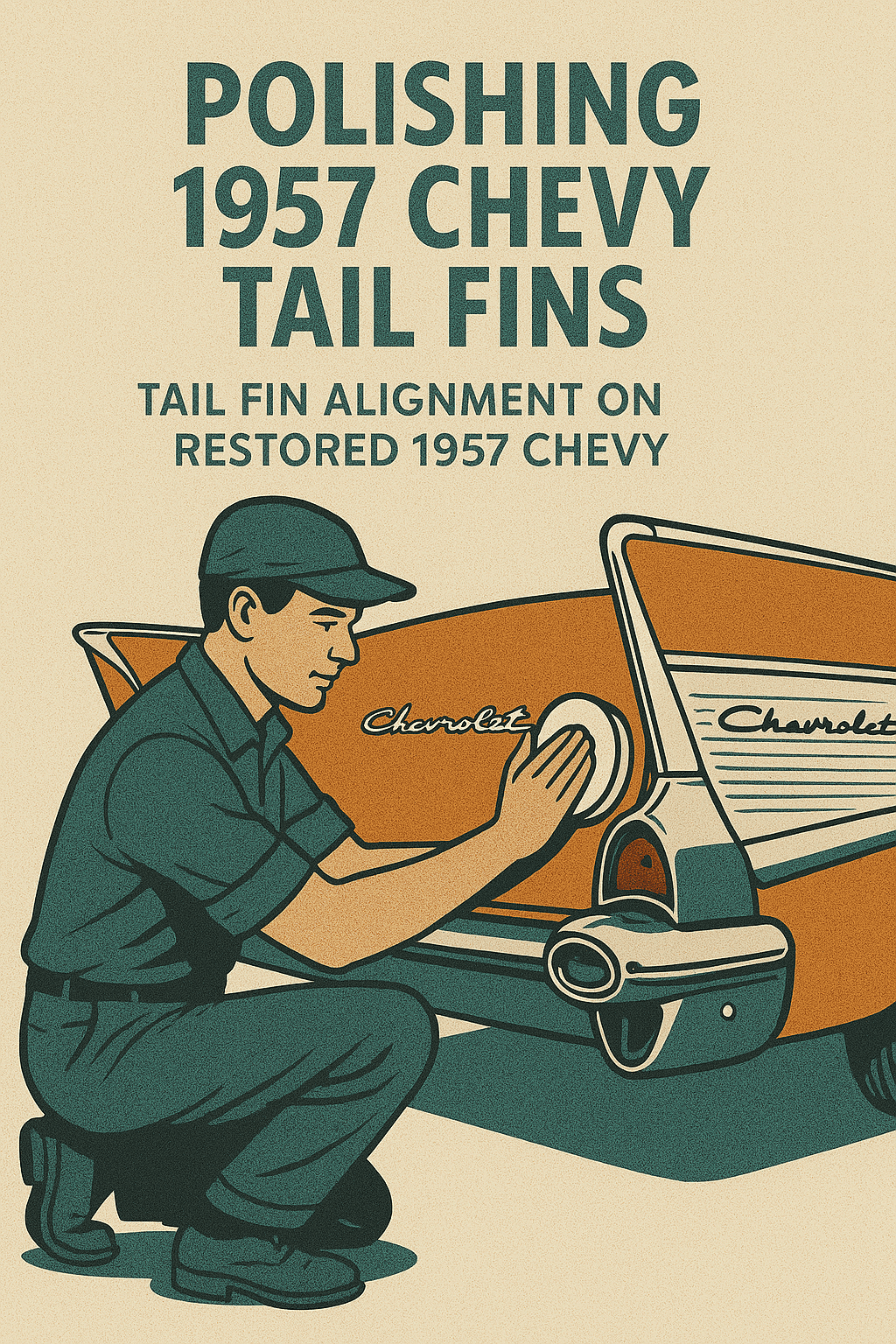
When aligning your Tri-Five deck lid, ensure both sides match the quarter-panel tops evenly before sealing. The 1957 Chevy tail-fin restoration step is iconic — small gaps here stand out immediately under polished chrome.
Restoration & Fitment Tips for Tri-Five Sheet Metal
- Mock-up every panel before final paint or weld.
- Replace body mount bushings to prevent alignment issues.
- Use lead-free filler sparingly; hammer-dolly panels to minimize filler thickness.
- Apply epoxy primer immediately after grinding welds to block flash rust.
- Seam-seal both sides of welded joints for lasting protection.
During sheet-metal alignment on a 1957 Bel Air, the repro trunk-floor panel mounted slightly off; adjusting inner wheel-house braces fixed clearance issues.
👉 Next read: Tri-Five Chevy Guide: 1955–1957 Models Explained
Trusted Sources for 1955–1957 Chevy Body Panels
| Supplier | Specialty | Highlights |
|---|---|---|
| Danchuk Manufacturing | Complete Tri-Five Chevy restoration parts | U.S.-made, OEM quality |
| Auto Metal Direct (AMD) | Sheet metal & structural components | Excellent fit and finish |
| Classic Industries | Trim, weatherstripping, and sheet metal | Ideal for full rebuilds |
| Real Deal Steel | Licensed GM reproduction bodies | Perfect for ground-up restorations |
Common Mistakes to Avoid
- Mixing different panel brands (slightly varied stamping dies).
- Cutting out large sections without bracing the body shell.
- Skipping mock-up before welding or paint.
- Applying paint or primer where welds will occur.
Avoid these and your Tri-Five Chevy sheet-metal replacement will last another 70 years. Read: Tri-Five Chevy buyer checklist
Keep the Tri-Five Legacy Alive
Every perfect 1957 Chevy tail fin, gleaming 1956 Bel Air rocker, and freshly welded 1955 Chevy floor pan keeps the spirit of the Tri-Five era alive.
Investing in premium Tri-Five body panels, taking time to align every edge, and sealing each weld properly guarantees your restoration will turn heads for decades.
When you restore with care, your classic Chevy won’t just look like it did in 1957 — it’ll look even better.
FAQ: Tri-Five Chevy Body Panels
Are 1955–1957 Chevy body panels interchangeable?
Yes, many Tri-Five Chevy body panels interchange across Bel Air, 210, and 150 models — though trim holes differ.
What gauge steel should I buy?
OEM replacements use 18–20 gauge steel, matching factory thickness for better welds and authenticity.
What’s the best brand for Tri-Five restoration?
Danchuk and AMD lead the industry for accurate 1955–1957 Chevy body parts.
Is it better to patch or replace entire panels?
Full replacements ensure straight lines and factory-correct seams, especially for quarter-panel or rocker panel repairs.
How can I protect new metal from rust?
Use epoxy primer, weld-through primer, and undercoating — the same steps pros use for long-term protection.
Disclaimer:
This article is based on historical research, known restoration practices, and hands-on experience with 1955-1957 Chevrolet “Tri-Five” body panels. While information is provided to the best of the author’s knowledge, actual fitment, condition, and compatibility can vary from vehicle to vehicle. Always verify part numbers, measurements, and condition with trusted suppliers or qualified restoration professionals before purchasing or installing panels. OldChevys.com and the author assume no liability for outcomes resulting from the use of this content.
About the Author
Gary Thompson has over 20 years of experience restoring classic Chevrolet pickups and sedans, including multiple full-body restorations of 1955–1957 Tri-Five models. He has worked with original (OEM) and reproduction body panels, managed panel-fitment, rust repair, and final body alignment, and maintains a deep understanding of sheet-metal specs, bolt patterns, and restoration subtleties. As a longtime member of classic-car forums and restoration communities, Chris combines hands-on craftsmanship with documented research and a passion for accuracy. Through OldChevys.com, he shares practical advice, honest assessments, and restoration-ready guidance to help fellow enthusiasts make informed decisions.
Technical Review:
This article was reviewed for accuracy and clarity by OldChevys Restoration Editorial Team — a group of experienced Chevy restorers and researchers who verify specifications, cross-check part data, and ensure all recommendations follow modern restoration best practices.
Last updated: 12/9/25