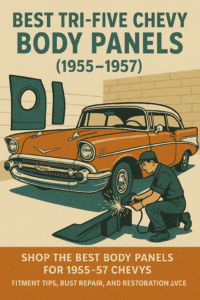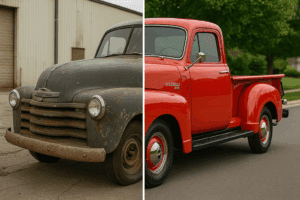

Learn how to tackle Chevy rust repair with practical tips for classic Chevy body restoration. From surface rust removal to panel replacement, discover DIY techniques, professional repair options, and prevention methods to keep your Chevy solid for decades.
Rust is the enemy of every classic car enthusiast. Whether it’s a barn-find Bel Air or a well-worn Chevelle, corrosion threatens the longevity, value, and safety of your vehicle. The good news is that with the right approach, Chevy rust repair is manageable—and in many cases, you can restore panels and structural integrity to like-new condition.
This article will walk you through the basics of spotting, treating, and repairing rust as part of a classic Chevy body restoration, with resources for both DIYers and those seeking professional help.
Why Rust is Such a Problem for Classic Chevys
Chevrolet’s golden era—from the late 1940s through the 1970s—produced some of the most iconic cars in history. Unfortunately, they were built in a time before modern rust-proofing. Thin sheet metal, leaky weatherstripping, and exposure to road salt left many vulnerable.
If you’re restoring a project car, it’s vital to address rust before investing in paint, upholstery, or drivetrain work. For buyers, our Classic Chevy Buyer’s Guide outlines why rust inspection is one of the first steps in evaluating a car’s value.
Identifying Rust on a Classic Chevy
Not all rust is obvious. Surface rust on fenders and hoods is easy to spot, but hidden corrosion can lurk under carpets, inside quarter panels, and around the trunk floor. Key areas to inspect include:
- Rocker panels and lower doors – prone to moisture retention.
- Floor pans – often weakened by leaks and road salt.
- Trunk pans – Chevy cab corners, water from poor seals collects here.
- Wheel arches and rear quarters – classic “rust belt” zones.
- Frame rails – critical for safety and structural strength.
If you’re unsure, bring a magnet or borescope. Many restorers use filler to cover rust holes, but magnets reveal where metal has been replaced with bondo.
👉 For VIN and authenticity checks, see our Chevy VIN verification resource.
Rust Repair Methods
Once identified, there are several approaches to Chevy rust repair depending on severity:
1. Surface Rust Removal
- Sanding or grinding away the oxidation.
- Applying rust converters and primers.
- Sealing with epoxy primer before paint.
2. Panel Patching
- Cutting out the affected area.
- Welding in a patch panel or fabricated metal.
- Grinding, sealing, and prepping for paint.
3. Full Panel Replacement
- Removing heavily corroded panels such as fenders or floor pans.
- Installing reproduction or OEM panels.
- Proper alignment and seam sealing for durability.
For beginners, surface rust can often be treated at home. However, structural repairs or welding should be left to professionals unless you have the right skills and equipment.
Tools and Materials You’ll Need
A successful classic Chevy body restoration requires the right gear:
- Wire wheels and grinders
- MIG welder with shielding gas
- Rust converter and epoxy primer
- Body filler (sparingly, for finishing)
- Sheet metal shears and clamps
- Safety gear (gloves, goggles, respirator)
👉 For detailed DIY tutorials, the ChevyTalk forum is a valuable resource where other enthusiasts share step-by-step experiences.
Professional Rust Repair
Not everyone wants to tackle welding in their garage. Professional restoration shops specialize in rust repair for vintage Chevys and often have access to factory-correct reproduction panels. While this is a bigger investment, it ensures structural integrity, safety, and long-term value.
If you’re planning a concours-level restoration, seek out shops with experience in GM classics. Costs can range widely, so always request photos of previous work and clear estimates.
Preventing Future Rust
Once repaired, protecting your Chevy from new corrosion is critical. Some tips include:
- Apply modern rust inhibitors and undercoating.
- Ensure proper drainage in doors and rockers.
- Replace weatherstripping and window seals.
- Store the vehicle in a dry, climate-controlled garage.
- Wash and dry thoroughly after driving in rain.
👉 To keep your Chevy’s story in perspective, see our Restoration Tips article for Chevy rust repair and insight into how these cars were originally built.
Give Your Classic Chevy a Second Chance at Life
Rust may be the single biggest obstacle in a classic Chevy body restoration, but it doesn’t have to stop your project in its tracks. Whether you’re sanding away surface rust, welding in new panels, or commissioning a professional restoration, addressing corrosion early ensures your Chevy remains safe, solid, and stunning for decades to come.
For community support and advice, check out resources like the ChevyTalk forum where thousands of enthusiasts share their restoration journeys. With patience, skill, and the right approach, you can give your classic Chevy a second chance at life.