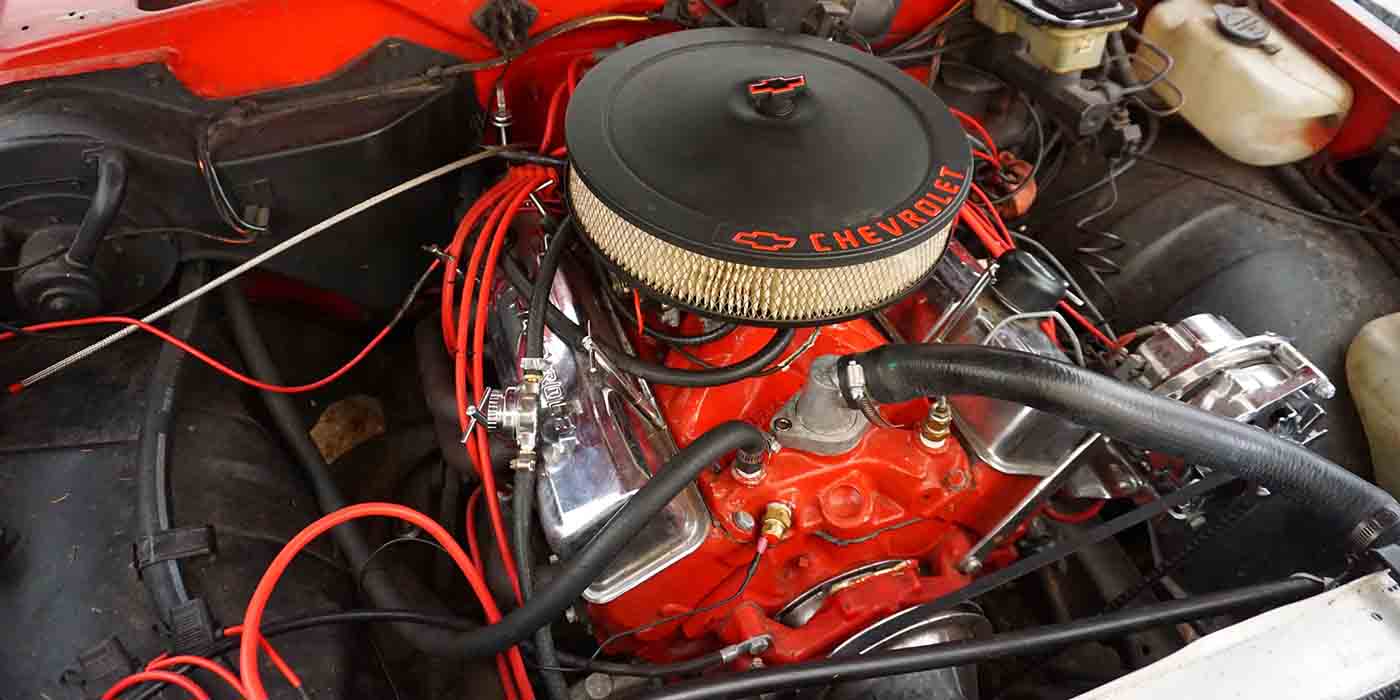
The best carburetor for small block Chevy depends on how you actually use the car. For most street-driven 283–350 SBCs, a 600–650 CFM vacuum-secondary carb delivers the best balance of drivability, throttle response, and reliability. Track-focused or heavily modified engines benefit from larger, mechanically-actuated designs, while restorations favor factory-style units.
Why This Problem Happens / Why This Matters
Small block Chevys (1955–1979) span a wide range of displacements, cam profiles, compression ratios, and intended uses. Owners often install “bigger” carburetors, assuming more airflow equals more power—but that’s rarely true on the street.
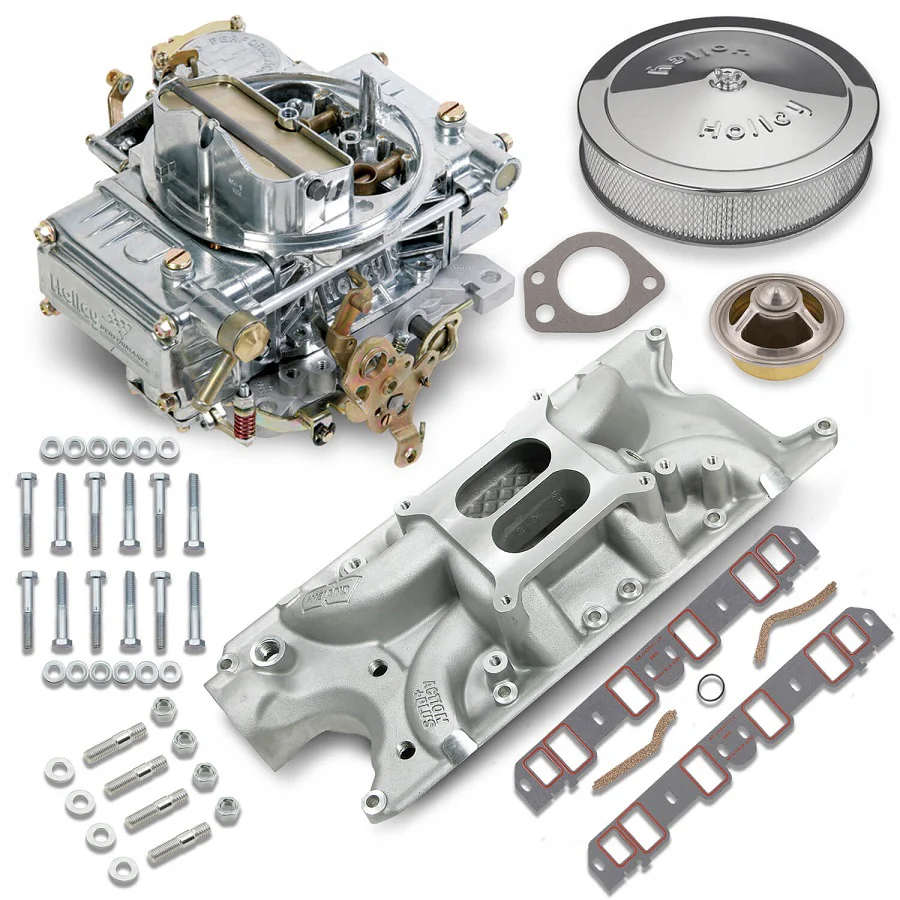
Choosing the wrong carb affects cold starts, idle quality, fuel economy, and even long-term engine wear. Secondary keywords that come up repeatedly with this issue include small block Chevy carb size, 600 vs 750 CFM carb, and street carburetor SBC. Get this decision wrong, and the car never feels quite right—no matter how much tuning you do.
Even a well-chosen carburetor can struggle in summer heat if fuel is vaporizing before it reaches the bowls—vapor lock is a common cause of hot restart problems in classic Chevys.
Common Causes or Options
Carburetor Is Too Large
Symptoms: Bogging on tip-in, weak low-RPM response, poor mileage
Why it happens: Oversized CFM rating for the engine’s airflow demand
Risk if ignored: Fouled plugs, diluted oil, frustrating drivability
Carburetor Is Too Small
Symptoms: Engine runs out of breath above 4,500–5,000 RPM
Why it happens: Undersized venturis restrict airflow
Risk if ignored: Leaves power on the table, especially on modified engines
Mechanical vs Vacuum Secondaries
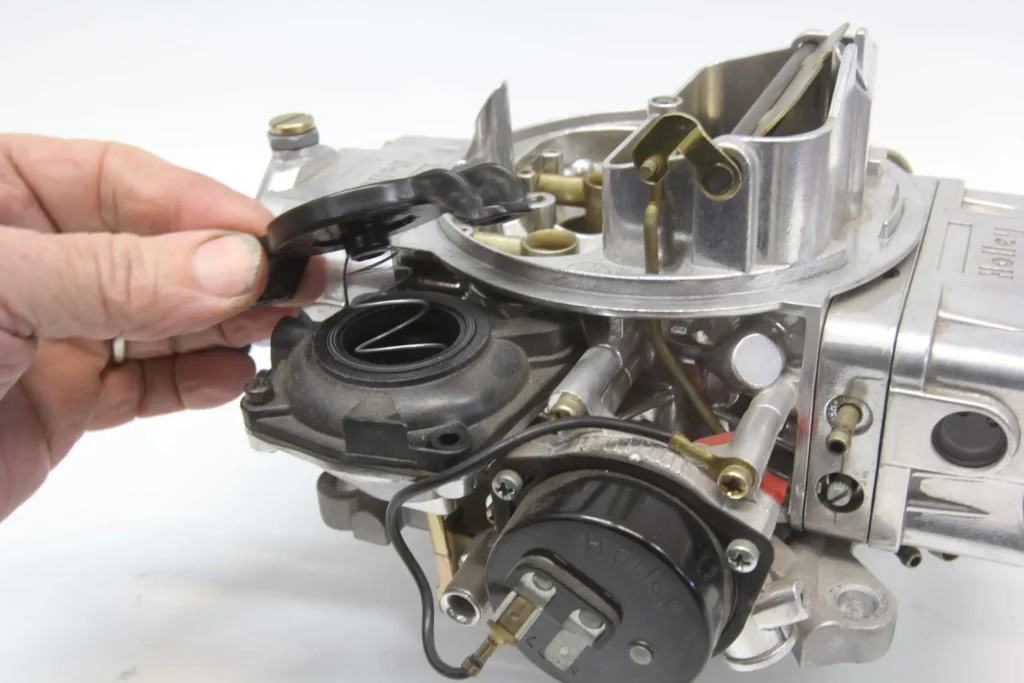
Symptoms: Jerky throttle response or delayed acceleration
Why it happens: Secondary actuation doesn’t match driving style
Risk if ignored: Inconsistent power delivery, harder tuning
Factory-Correct vs Aftermarket Design

Symptoms: Hard starts, fuel odor, inconsistent idle (on worn originals)
Why it happens: Old castings, warped throttle bodies, worn shafts
Risk if ignored: Vacuum leaks, fuel seepage, fire risk
How to Fix or Evaluate Each Cause
Choose the Right CFM Range
Step-by-step
- Identify displacement (283, 305, 327, 350, 383, etc.)
- Note camshaft aggressiveness (stock, mild, performance)
- Consider the RPM range you actually use
Rule of thumb
- Stock to mild SBC street cars: 600–650 CFM
- Hot street/weekend strip: 650–750 CFM
- High-RPM race builds: 750+ CFM
Cost: $450–$750
Difficulty: Easy (bolt-on)
Match Secondary Type to Use
- Vacuum secondaries: Best for street cars and daily drivers
- Mechanical secondaries: Better for track use and aggressive throttle
Vacuum units are more forgiving and self-adjusting; mechanical secondaries demand proper gearing, converter, and driver input.
Evaluate Condition Before Replacing
A rebuilt carb with worn throttle shafts or warped metering blocks is false economy.
Warning signs
- Persistent fuel smell at idle
- Won’t hold mixture adjustment
- Fuel dripping after shutdown
If you smell raw fuel, address it immediately.
Read: Gas Smell in a Classic Chevy: Causes, Risks, and Fixes
Parts, Tools, or Upgrades (Comparison)

Most Common Carburetor Choices for SBC
| Carburetor Type | Best For | Pros | Cons | Typical Cost |
|---|---|---|---|---|
| Holley 4150/4160 (600–750 CFM) | Street / Performance | Excellent tuning support, parts availability | Needs periodic adjustment | $500–$800 |
| Edelbrock AVS2 / Performer | Daily drivers | Reliable, good out of the box | Less tuning range | $450–$700 |
| Rochester Quadrajet | Stock & restorations | Great throttle response, fuel economy | Complex to rebuild | $300–$700 (rebuilt) |
| Demon (Road Demon) | Hot street | Strong performance | Sensitive to setup | $600–$800 |
Helpful tools
- Vacuum gauge
- Timing light
- Wideband O2 (optional but valuable)
Mistakes Owners Commonly Make
- Buying the biggest carb they can afford
- Ignoring ignition timing while chasing carb problems
- Mixing worn linkage with new carburetors
- Skipping fuel pressure regulation (especially with electric pumps)
- Assuming “factory carb” automatically means best for modern driving
These mistakes are common on 1960s–1970s cars that sat for years.
Read: Why My Classic Chevy Won’t Start After Sitting
On older small block Chevys that still use factory-style ignition systems, carburetor changes often expose timing and fuel delivery issues that weren’t obvious before.
When to Seek Professional Help
Consider a professional carb tuner or experienced shop if:
- The engine has a radical cam and low vacuum
- You can’t stabilize idle after basic adjustments
- Fuel percolation or hot-start issues persist
- You’re chasing drivability problems across temperature changes
Typical shop cost: $150–$400 for diagnosis and tuning
Worth it when: You’re already several weekends deep with no progress
Related Buyer or Ownership Advice
Carb choice should match the car’s true identity, not just the engine bay.
- Confirm originality before modifying:
Read: How to Decode a Classic Chevy VIN - If buying a project, budget for carb replacement even if it “runs.”
- Keep a baseline checklist for fuel, ignition, and cooling systems
Carburetors don’t exist in isolation—they expose weaknesses elsewhere.
FAQs
What size carburetor is best for a stock 350 SBC?
A 600–650 CFM carb is ideal for most stock or mildly modified 350s used on the street.
Is a Quadrajet good for performance?
Yes—when properly rebuilt. Its small primaries deliver excellent response, while large secondaries support higher RPM power.
Do I need a new intake manifold?
Not always. Many factory and aftermarket intakes support modern square-bore carbs with the right gasket or adapter.
Why does my SBC run rich after a carb swap?
Common causes include excessive fuel pressure, incorrect float height, or mismatched power valves.
Real-World Experience with Small Block Chevy Carburetors
This guide is based on hands-on ownership and tuning experience with small block Chevys ranging from early 283s and 327s to later 350 builds commonly found in 1960s and 1970s Chevrolets. Over the years, the most consistent results have come from conservative carb sizing, careful setup, and matching the carburetor to how the car is actually driven—not just what looks good on paper.
Street-driven SBCs behave very differently than track-only engines, especially when it comes to idle quality, hot starts, fuel smell, and drivability in traffic. Many issues blamed on “bad carbs” ultimately come down to oversizing, worn components, or mismatched ignition timing. The recommendations here reflect what works long-term on real classic Chevys that see regular use, not just weekend tuning sessions.
Final Takeaway
There is no single “best” carburetor for every small block Chevy—only the best match for how you drive and maintain your car. Most classic Chevys run strongest and most reliably with a properly sized, conservatively tuned carb rather than an oversized performance unit. Choose realistically, tune patiently, and the engine will reward you for decades.