By Gary Thompson
Last Updated: 12-6-25
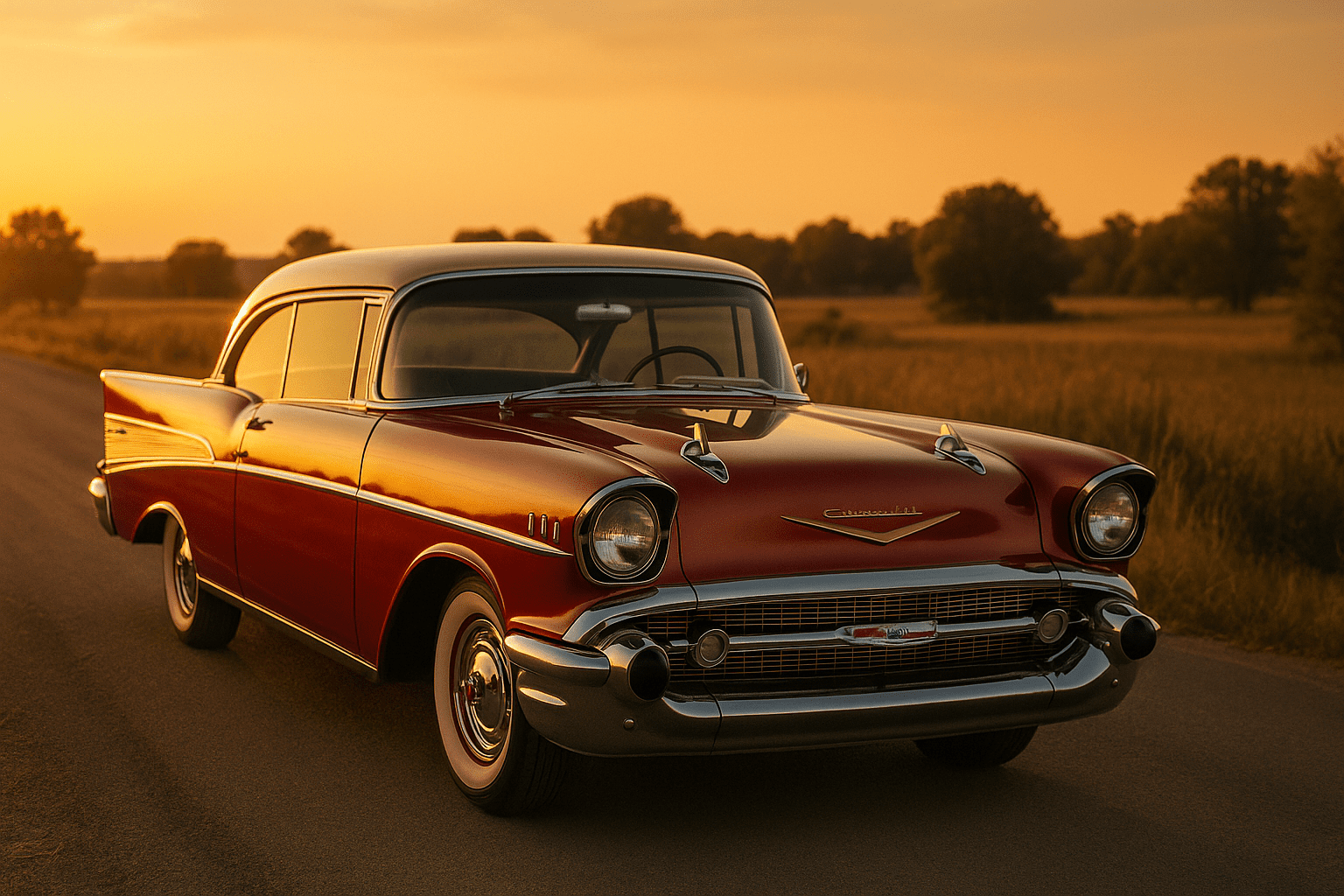
Finding Classic Chevys for Sale is easy…
Finding a good, honest, fairly priced classic Chevy is the real challenge.
After 20+ years of buying, inspecting, restoring, and decoding classic Chevrolets — including Tri-Fives, Chevelles, C10 trucks, Novas, and more — I’ve learned that where you look determines 80% of whether you get a dream car or an expensive regret.
This guide blends real experience with technical buying knowledge to help you shop confidently and avoid the most common pitfalls in today’s classic-car marketplace.
1. Online Classic Car Marketplaces
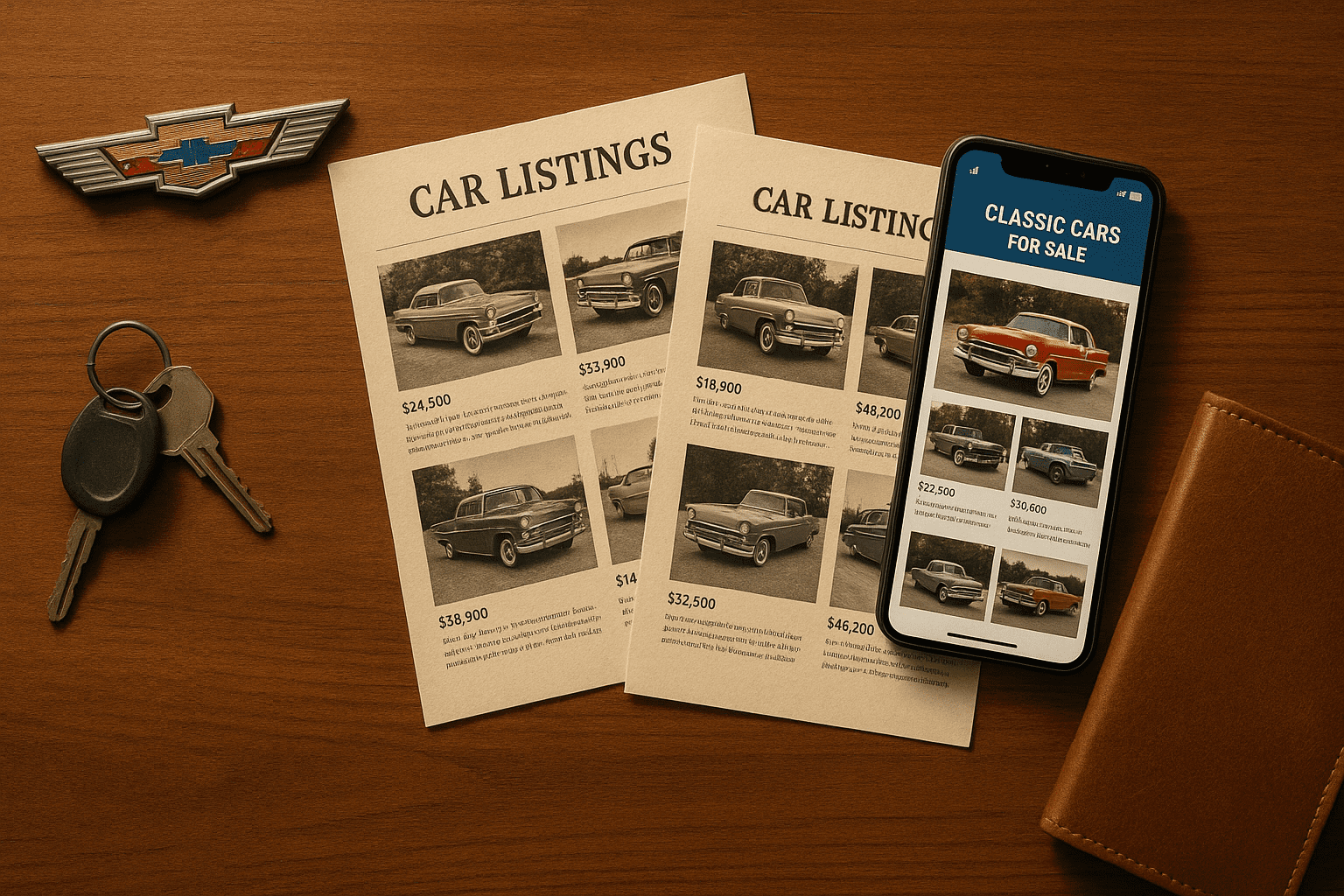
Major classic car marketplaces offer the largest variety of classic Chevrolet cars for sale, including restored showpieces, survivors, hot rods, and project cars.
Popular platforms include:
- Hemmings
- ClassicCars.com
- OldCarOnline
- Autotrader Classics
- ExoticCarTrader
You’ll see everything from 1955–1957 Tri-Five Chevys and Bel Airs to early Camaros, Novas, Impalas, and vintage Chevy trucks.
Pros
- Huge nationwide inventory
- Detailed photos and descriptions
- Easy to compare similar models and prices
Cons
- Prices often skew high
- Desirable cars sell quickly
- Descriptions sometimes gloss over rust or mechanical issues
When a listing catches your eye, start with the basics: confirm the VIN, check for obvious rust areas, and compare asking price against typical values for that model, year, and condition. A dedicated VIN decoding and valuation tool (like the one we have for OldChevys) and Haggerty can help you quickly flag cars that are wildly overpriced.
My experience tip:
- Body mounts
- Inner and outer rockers
- Trunk floor
- Rear frame rails
If the seller avoids the request, walk away.
2. Online Auction Platforms
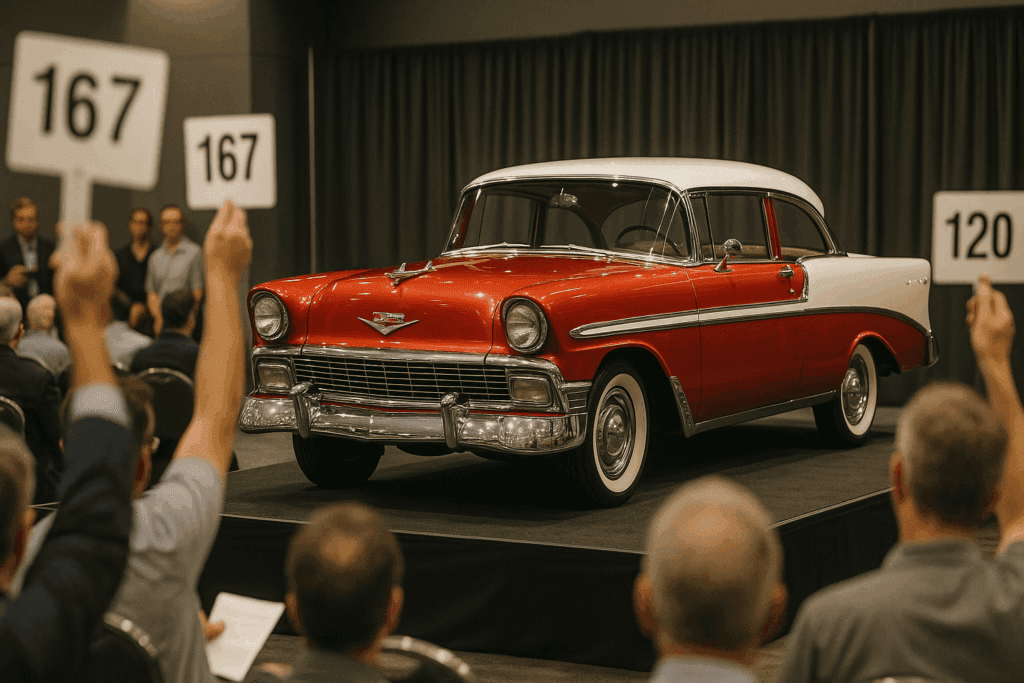
Online auctions have become one of the most transparent places to find classic Chevys for sale online. Detailed photography, seller Q&A, and visible bidding activity all help you judge a car from a distance.
Common auction sites include:
- Bring a Trailer
- Hagerty Marketplace
- Cars & Bids
- eBay Motors
You’ll find:
- Restored Bel Airs
- Survivor Chevelles and Novas
- Original big-block and small-block cars
- LS-swap restomods
- Well-documented project cars
Pros
- Transparent bidding and sale history
- Hundreds of photos, often including underbody shots
- Comment sections that can reveal hidden issues or confirm originality
Cons
- Buyer’s fees and transport costs
- Short decision windows
- Competitive bidding on rare models
What to watch for:
I’ve seen auction cars look gorgeous until the community zooms in on a misaligned door gap, non-factory weld marks, or mismatched VIN derivations. Before you bid:
- Verify trim tag + VIN alignment
- Compare recent comps (completed auctions only)
- Identify expensive upcoming repairs (suspension bushings, wiring, brakes)
A printed or digital buyer’s inspection checklist beside you during bidding can save thousands.
Real Experience Tip
3. Enthusiast Forums, Facebook Groups & Chevy Clubs
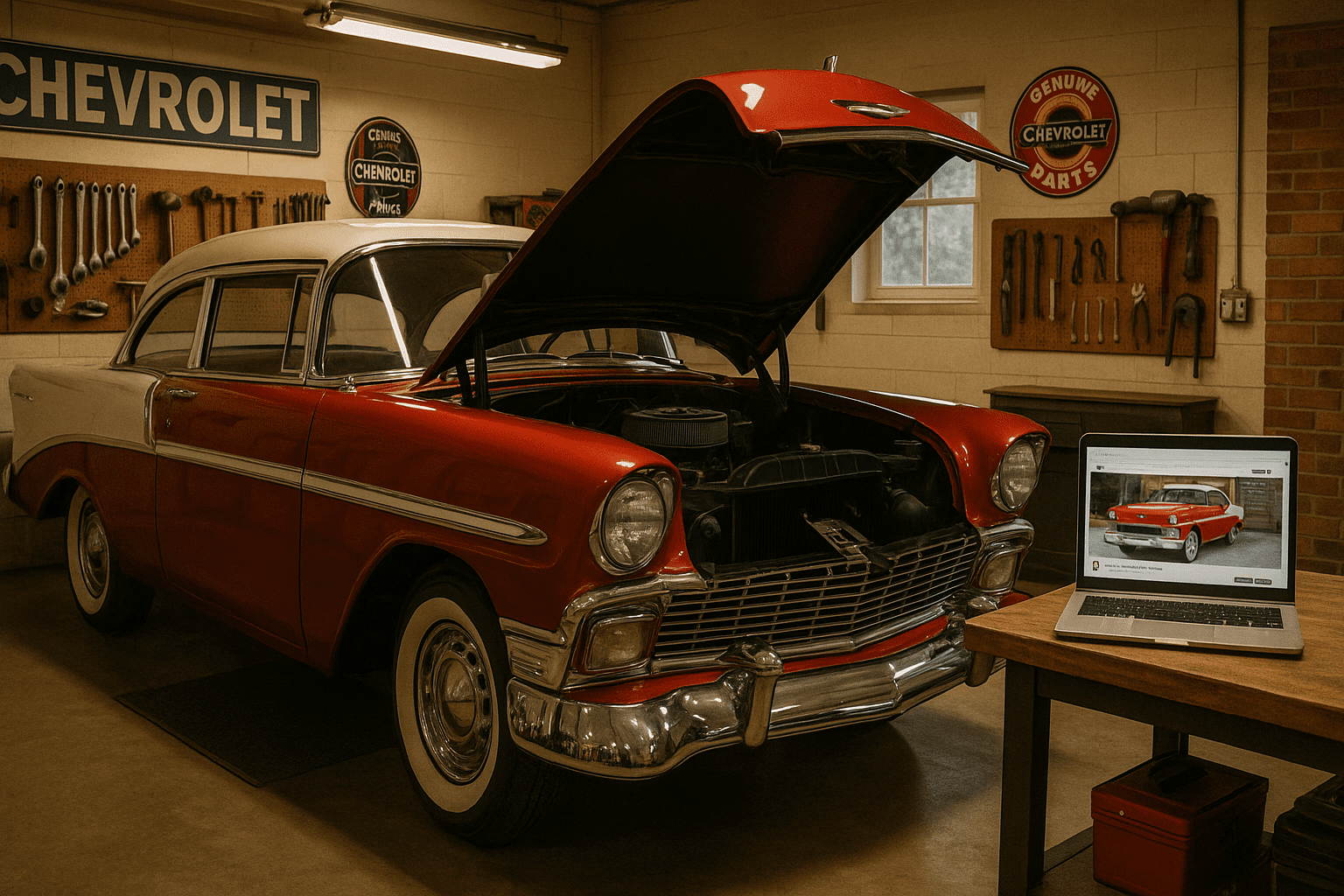
Some of the best classic Chevys for sale by owner never appear on major marketplaces. Instead, they’re quietly offered in enthusiast communities:
- Model-specific forums (Chevelle, Nova, Camaro, Tri-Five)
- Chevy truck groups
- Facebook groups for 1955–1957 Chevys
- Local or regional Chevrolet clubs
Owners in these spaces are often enthusiasts first, sellers second. Many keep detailed records, build threads, and photo archives that tell the car’s story far better than a typical classified ad.
Pros
- Enthusiast-owned cars with better documentation
- Direct communication with the seller
- Early access to cars “almost for sale”
Cons
- Less formal buyer protection
- More homework on your end
- Occasional scam attempts in less-moderated groups
A smart approach is to watch forum build threads for a while. When you see a car you love and a responsible owner behind it, reach out politely and ask if they’d ever consider selling. That kind of relationship-based buying often leads to more honest conversations and smoother deals.
My experience tip:
Most of my best Chevy purchases came through private groups. When you see a car you like, search the seller’s posting history. If they’ve documented their progress over the years, you’re likely looking at a well-cared-for vehicle. If they have zero history and no photos beyond glamour shots — caution.
4. Local Classifieds & Regional Marketplaces
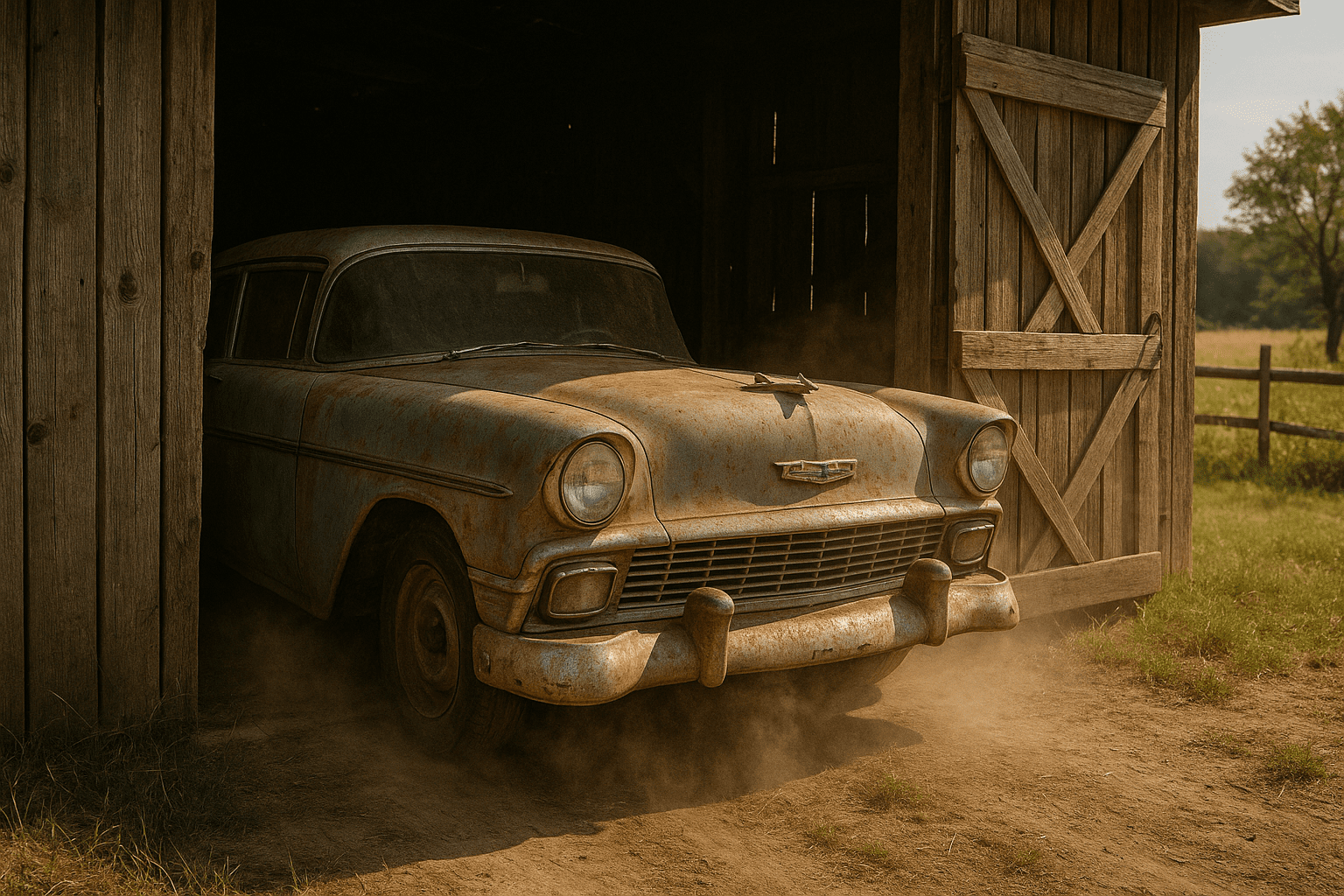
If you’re looking for classic Chevy project cars for sale, local and regional sources can be treasure troves:
- Craigslist
- Facebook Marketplace
- Local online classifieds
- Community bulletin boards
- Small-town estate and garage sale listings
This is where you’ll often find:
- Long-stored “garage cars”
- Barn finds in varying states
- Incomplete projects priced below national market levels
Pros
- Lower asking prices than national sites
- More room for negotiation
- Chance to discover cars that never hit the big platforms
Cons
- Wide variation in honesty and knowledge
- You must inspect in person
- Higher risk of undisclosed rust or title issues
Search with geographic phrases like:
- “classic Chevys for sale near me”
- “vintage Chevrolet for sale in [your city]”
- “Chevy Bel Air for sale [state]”
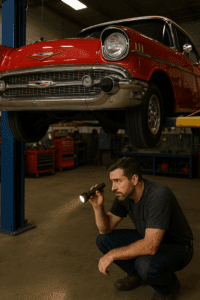
When you do go see a car, bring a flashlight, a magnet, and a simple checklist of rust-prone areas (rockers, floor pans, trunk, lower fenders, body mounts). A structured walk-around and underbody inspection will save you from emotional, on-the-spot decisions that you regret later.
5. Car Shows, Swap Meets & Chevy Events
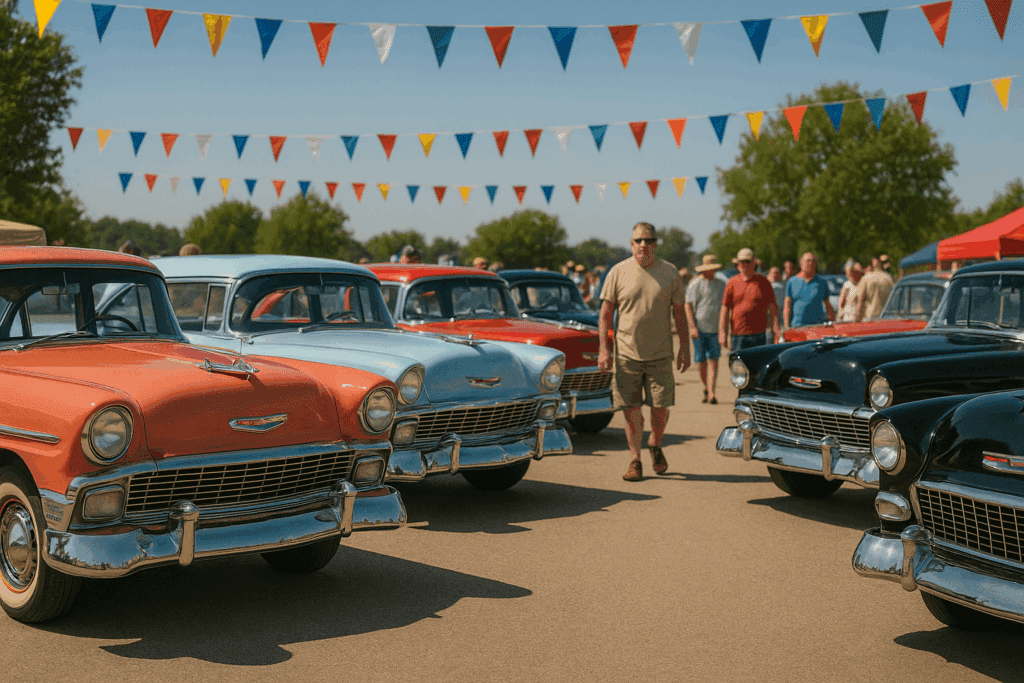
Some of the nicest classic Chevrolets change hands quietly at:
- Local and regional car shows
- Swap meets with car corrals
- Weekly or monthly cruise-ins
- Chevy- and GM-specific events
Plenty of owners bring cars that aren’t officially advertised but are “for sale to the right person.” You might stumble onto anything from a show-ready 1957 Bel Air hardtop to an honest driver-quality Chevelle or El Camino survivor.
Pros
- See, hear, and feel the car in person
- Talk directly with long-term owners
- Discover unlisted cars before they hit the web
Cons
- Limited to event dates and locations
- Travel may be required
- Other serious buyers are on the hunt too
If you’re focused on Tri-Five Chevys, go in with a mental checklist of year-specific details and common rust areas. That helps you sort promising cars from “lipstick on a pig” cars quickly as you walk the show or swap.
Experience Tip
How to Avoid Scams (IMPORTANT)
Classic-car scams are increasing, especially on Facebook Marketplace.
Red Flags:
- Seller refuses video call
- Price far below market
- Only 2–3 photos
- No title
- VIN coverage or blurred tags
- “Leaving the country, must sell today” messages
Safe Practices:
- Meet in person
- Verify VIN + title
- Use secure payment (never Zelle or wire strangers)
- Bring a friend
- Trust your instincts
FAQ: Buying Classic Chevys
Where is the best place to buy a classic Chevy?
There’s no single “best” place. Marketplaces are ideal for variety, auctions are great for transparent pricing, and forums and clubs are where you’ll often find the most carefully maintained, enthusiast-owned cars. The smartest buyers use all three.
How do I find classic Chevys for sale near me?
Combine local classifieds, Facebook Marketplace, and regional Facebook or forum groups, then search with your city or state included. Be prepared to move quickly on good local deals and always inspect cars in person.
Are classic Chevy project cars worth buying?
They can be—if the frame and structure are solid. Cosmetic issues are fixable; structural rust is expensive and sometimes impossible to repair economically. Always start your evaluation with the body and frame, not the paint or interior.
Should I get a pre-purchase inspection?
If you’re not highly experienced or you’re buying remotely, a pre-purchase inspection is one of the best investments you can make. A qualified mechanic or classic-car specialist can spot issues that photos and descriptions hide.
Landing a Classic Chevy
Finding classic Chevys for sale is easy. Finding a good one is where the real work—and the real fun—begins.
By using a mix of online marketplaces, auction platforms, enthusiast communities, local classifieds, and in-person events, you’ll see a much broader range of cars than any single site can offer. Combine that with a simple inspection checklist, some basic valuation homework, and a bit of patience, and you’ll dramatically increase your odds of landing a classic Chevy you’re proud to own for years.
Finding classic Chevys for sale is easy.
Finding a good one takes research, patience, and the right tools.
Use this guide alongside our growing resources:
- Tri-Five Chevy Guide
- Classic Chevy Insurance Guide
- VIN Decoder
- Buyer’s Checklist
- Value Estimator
- Complete inspection checklist for buying a Tri-Five Chevy
Together, they form the complete buying ecosystem for enthusiasts who want a classic Chevy they can trust—from first search to final purchase.
Buyer Safety Disclaimer
How We Keep This Guide Accurate
About the Author
Gary has spent over 20 years buying, restoring, valuing, and insuring classic Chevrolets. He has owned Tri-Fives, Chevelles, C10s, Novas, and more. His goal is to help enthusiasts make smart, safe, confident buying decisions through transparent, experience-based guides.