By OldChevys.com — Your trusted source for Classic Chevy restoration guides, tools, parts, and value estimates.
Restoring or maintaining a vintage Chevrolet takes more than passion — it takes knowledge and access to the right parts. From the iconic Tri-Five Chevys of the 1950s to muscle legends like the Chevelle and Camaro, every model has unique restoration needs. This Classic Chevy Parts Guide is your complete resource for finding, choosing, and installing the components that keep these cars on the road and looking their best.
Why You Can Trust This Guide
- Hands-on parts experience: The recommendations reflect actual use and installation — not just spec sheets or theory.
- Knowledge of OEM & reproduction parts: Panel specs, bolt-patterns, and known fitment challenges are based on historical documentation and years of rebuilds.
- Market awareness: Guidance takes into account current availability, quality variation, and realistic expectations for used or reproduction components.
- Transparent limitations: Advice conveys that not all parts are equal — differences in reproduction quality, rust damage, or previous repairs can impact fitment and longevity.
Table of Contents
Why You Can Trust This Guide
Why the Right Parts Define a Classic Chevy
Every restorer knows the thrill of hearing a small block fire up for the first time — and the frustration of waiting weeks for a missing trim piece. The hunt for classic Chevy parts isn’t just about repairs; it’s about authenticity, safety, and preserving history. From Tri-Five Bel Air chrome spears to Advance Design truck cab corners, the right components transform a tired project into a showpiece.
This guide covers everything you need to know:
- Parts categories every Chevy owner should understand
- OEM vs. reproduction choices
- Where to buy classic Chevy parts
- Model-specific breakdowns (Tri-Five, trucks, Chevelle, Camaro, Impala)
- Restoration tips and tools
👉 Use our free resources along the way: VIN Decoder, Value Estimator, and Buyer’s Checklist PDF.
The Foundation: What Counts as a Classic Chevy?
Classic Chevrolets span several golden eras of American car culture:
- Advance Design Trucks (1947–1955) — first post-war trucks with rounded styling.
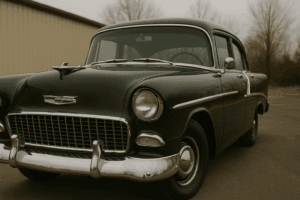
- Tri-Five Chevys (1955–1957) — 150, 210, Bel Air, Nomad.
- Task Force Trucks (1955–1959) — modernized pickups with Stepside/Fleetside beds.
- Chevelle (1964–1972) — from family Malibu to SS muscle.
- Camaro (1967–1969) — Chevy’s answer to the Mustang.
- Impala (1958–1969) — stylish full-size cruisers and SS trims.
Each era has unique parts needs, from sheet metal to interior trim. Decode your VIN first with our How to Decode a Chevy VIN Guide before ordering.
Major Categories of Classic Chevy Parts
Body Panels & Sheet Metal
Rust is inevitable. Replacement parts include:
- Floor and trunk pans
- Quarter panels and rockers
- Fenders and door skins
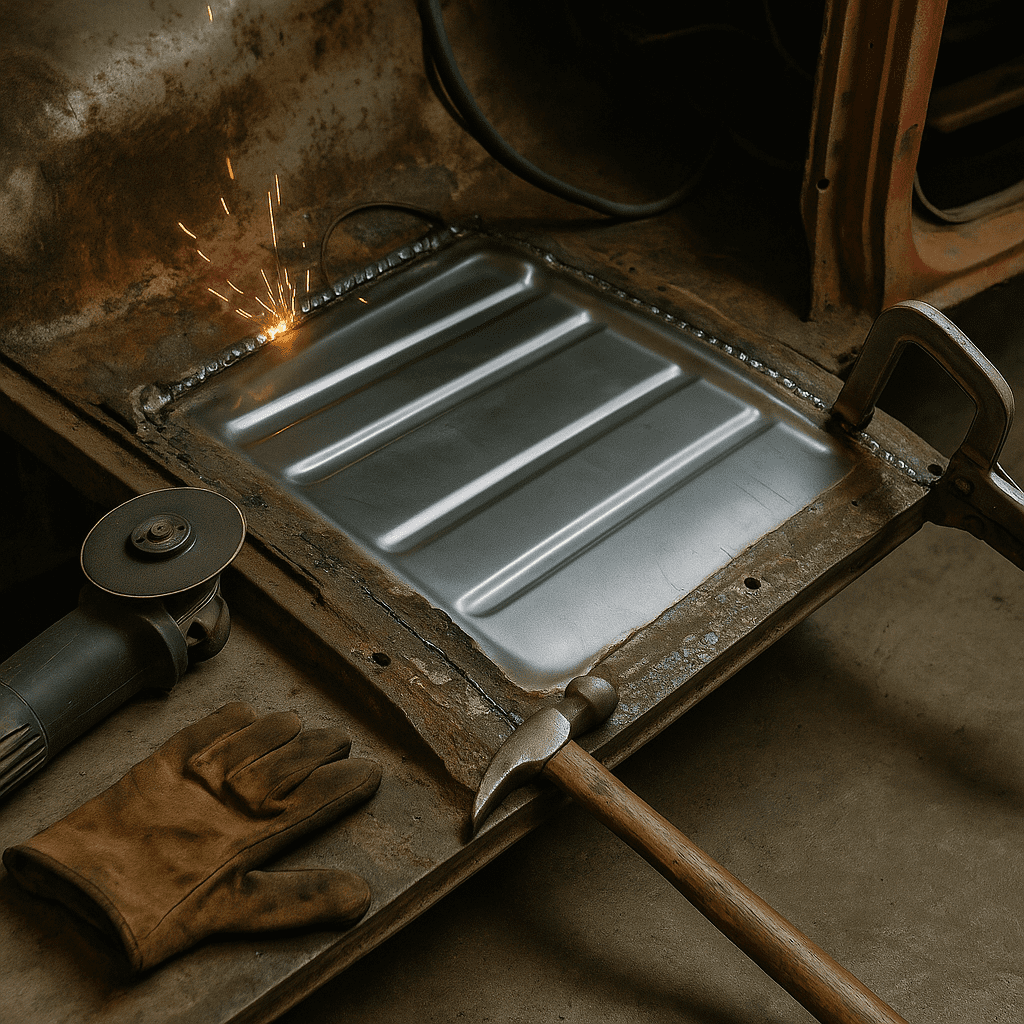
➡️ Learn more in our Tri-Five Chevy Body Panels Buyer’s Guide.
When sourcing replacement panels, reproduction quality varies. Trusted suppliers like Dynacorn offer licensed replacement shells and panels, while National Chevy Association stocks hard-to-find factory-correct sheet metal.
On a 1957 Chevy I rebuilt recently, the reproduction floor pan fit so tightly I needed to ease it with a rubber mallet before final alignment.
Chrome & Exterior Trim
Chevy styling = chrome. Common trim:
- Bel Air side spears
- Grilles, bumpers, guards
- Hood ornaments and scripts
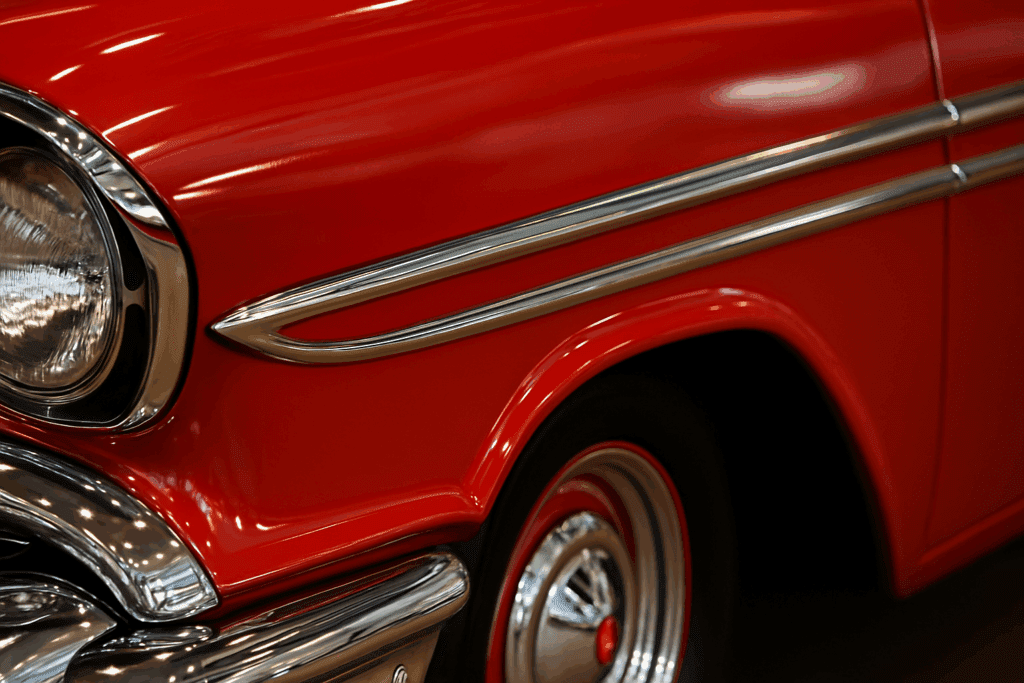
➡️ See our full Chevy Chrome Trim Buyer’s Guide.
Re-chroming original pieces is costly but maintains authenticity. Many restorers turn to Eckler’s Classic Chevy for trim and brightwork, or Classic Industries for reproduction kits that fit most Tri-Five and muscle-era Chevys.
I’ve seen several ‘NOS’ sheet-metal panels that were painted decades ago — they looked good on the surface but had rust hidden under paint, so always check inside wheel-wells and inner seams.
Engines & Drivetrain
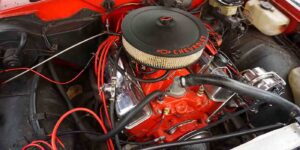
Chevy’s heart is its engine. Key parts:
- Small Block & Big Block rebuild kits
- Carburetors, manifolds, fuel systems
- Powerglide, Turbo 350, Muncie transmissions
- Rear ends
➡️ Explore more in our Chevy Small Block Engine Hub.
For accuracy on original small-block V8 configurations, factory brochures and reference sheets are available via the GM Heritage Center Vehicle Information Kits.
Electrical & Wiring
Old wiring = danger. Replace with:
- Correct harnesses
- Alternators, regulators
- Switches, bulbs, relays
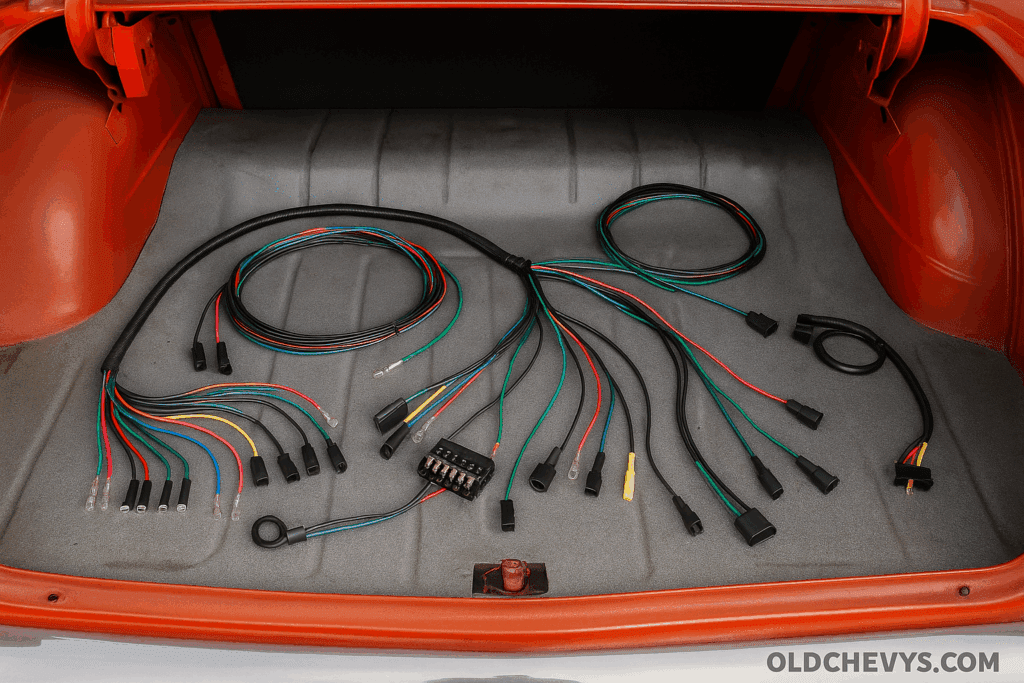
➡️ Download diagrams in our 1955 Chevy Bel Air Wiring Guide.
For wiring diagrams and schematics, OEM manuals remain the gold standard. These can be sourced through the GM Heritage Center archive.
Interior Components
Chevy interiors set trends. Parts:
- Seat covers & upholstery kits
- Dash pads, bezels, gauges
- Carpet & headliners
➡️ Get practical advice in our Chevelle Interior Restoration Tips.
Authentic reproduction seat covers, carpets, and headliners are produced by suppliers such as Chevs of the 40’s, one of the longest-standing restoration sources for classic GM cars.
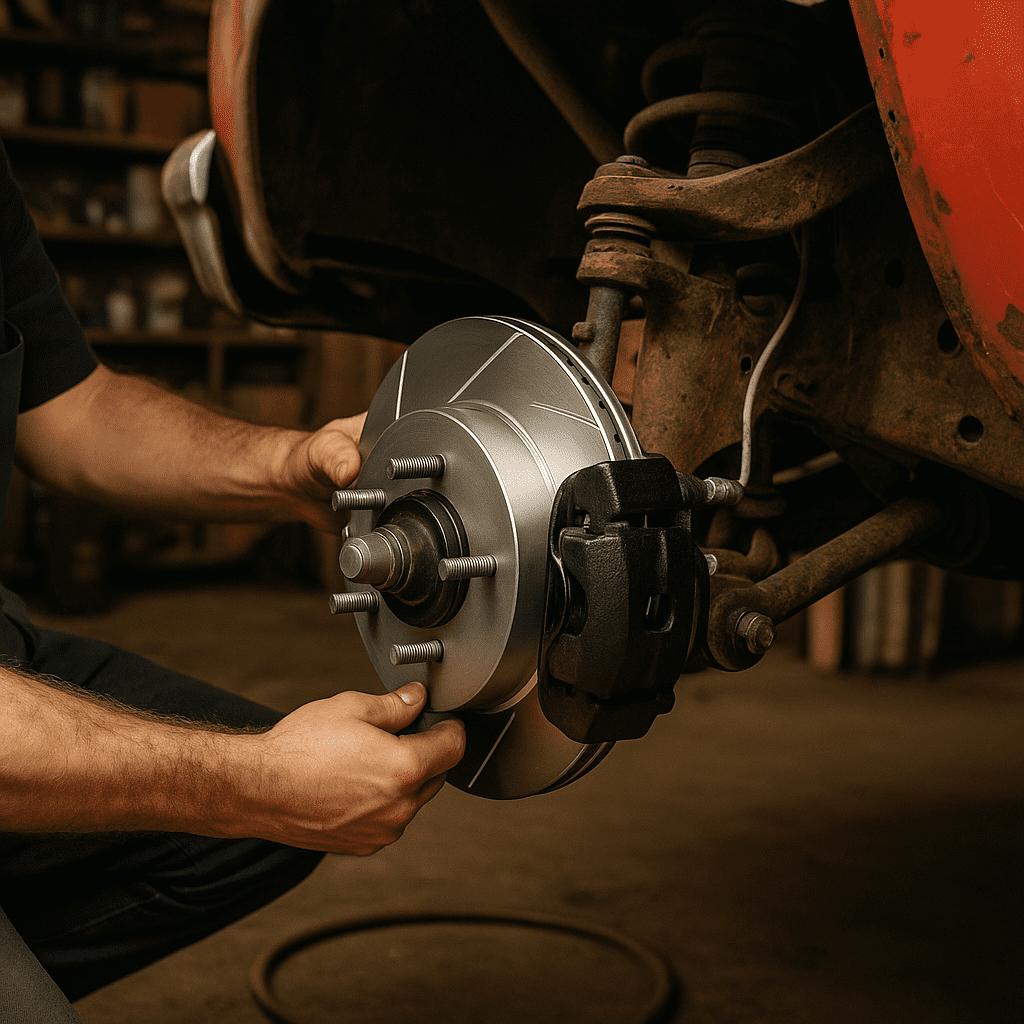
Suspension & Brakes
Safety upgrades:
- Disc brake conversion kits
- Dual master cylinders
- Leaf springs, shocks
Accessories & Details
Final touches:
- Mirrors, knobs, handles
- Radios & speakers
- Badges, decals, trunk mats
➡️ Browse our Classic Chevy Parts & Upgrade Guide.
OEM vs. Reproduction: Which Should You Choose?
OEM (Original Equipment)
- Rare, authentic, expensive
- Best fit and resale value
Licensed Reproductions
- Affordable, widely available
- Great for most restorations
Salvage & Swap Parts
- Found at shows and junkyards
- Good for rare trim and glass
I prefer to test-fit panels dry before welding or bonding — even OEM-coded panels sometimes require slight trimming when dealing with a twisted frame.
Where to Find Classic Chevy Parts
- Specialty Retailers: Eckler’s, Classic Industries.
- Swap Meets: Pomona, Carlisle, Tri-Five Nationals.
- Online Marketplaces: eBay, Facebook groups.
- Salvage Yards: Donor cars for trim and glass.
Model-Specific Breakdowns
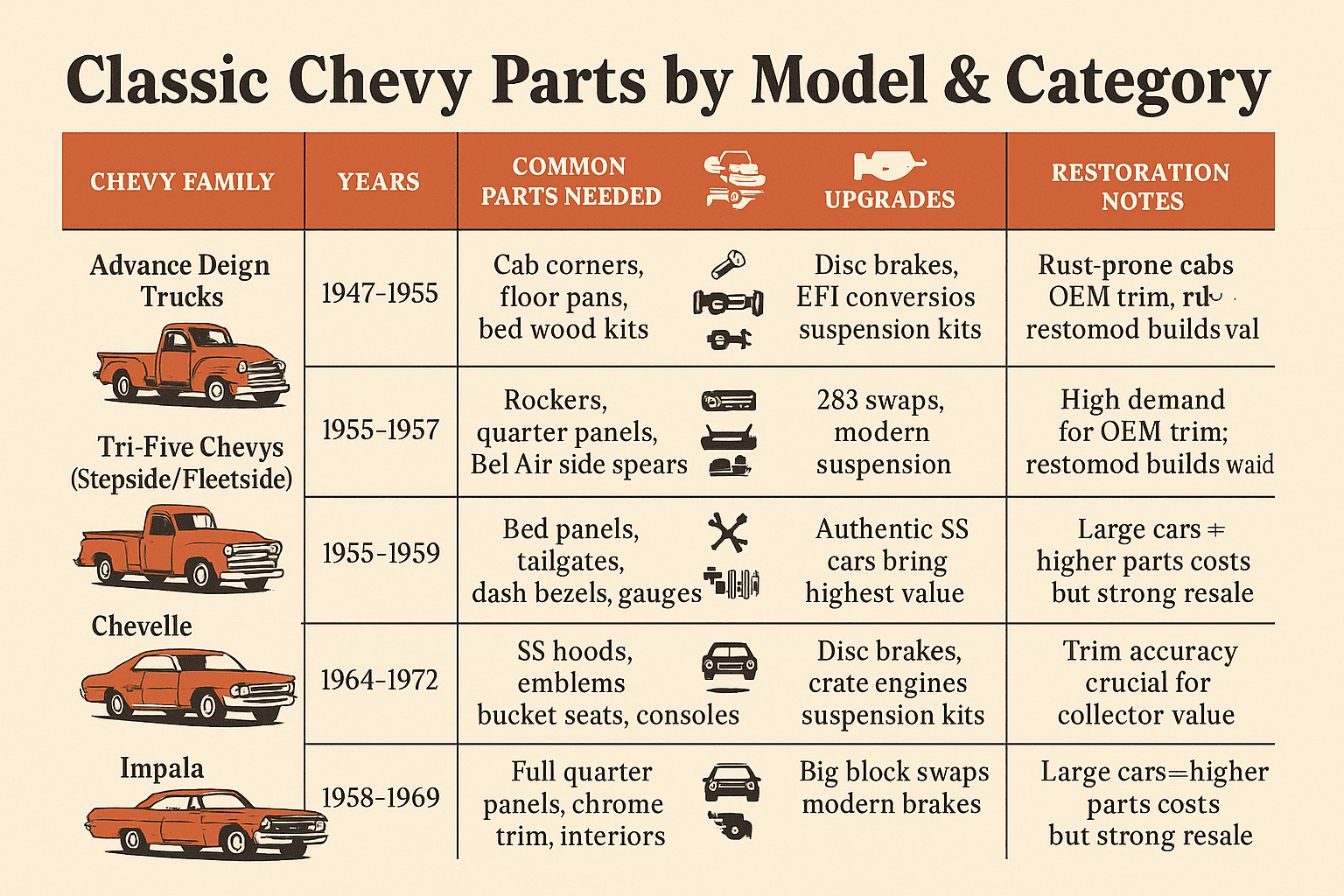
Tri-Five Chevys (1955–1957)
These mid-century icons are among the most restored Chevys ever.
Key Parts: side spears, floor pans, grilles, dash trim, 265/283 engine rebuild kits, upholstery.
Notes: Demand for OEM trim is high; restomods with EFI and disc brakes are popular.
➡️ For a deep dive, check out our Tri-Five Chevy Restoration Guide.
Advance Design Trucks (1947–1955)
Chevy’s first post-war trucks.
Key Parts: cab corners, bed wood kits, grilles, and inline-six rebuilds.
Notes: Bed wood authenticity adds value; small-block swaps improve drivability.
➡️ Learn step-by-step in our Advanced Design 3100 Cab Corner Replacement Guide.
Task Force Trucks (1955–1959)
Stylish pickups with new bed designs.
Key Parts: Stepside/Fleetside beds, dash bezels, gauges, 283 engine upgrades.
Notes: Stepside = nostalgic; Fleetside = higher value.
➡️ Compare in our Stepside vs Fleetside Chevy Truck Beds Guide.
Chevelle (1964–1972)
Muscle car legend.
Key Parts: SS hoods, emblems, bucket seats, consoles, Muncie 4-speeds.
Notes: Authentic SS restorations command the highest resale value; disc brake conversions are recommended.
➡️ Read our 1969 Chevelle SS Guide and Chevelle Interior Restoration Tips.
Camaro (1967–1969)
Chevy’s pony car.
Key Parts: RS hidden headlights, Z/28 stripes, deluxe interiors, small block engines.
Notes: Accuracy to trim packages is critical; upgrades like disc brakes add safety.
➡️ Learn how to identify trims in our Camaro RS vs Z/28 Guide.
Impala (1958–1969)
Full-size icons of the cruising era.
Key Parts: quarter panels, chrome trim, interiors, big block swaps.
Notes: Large cars = higher parts costs but strong resale value.
Restoration Tips for Classic Chevy Parts
- Test-fit sheet metal before paint.
- Polish stainless instead of replacing.
- Document part numbers.
- Mix OEM (visible) with reproduction (hidden).
- Upgrade brakes & wiring for road safety.
Tools & Resources That Save Time
- OldChevy.com VIN Decoder — confirm year, plant, trim.
- Classic Chevy Value Estimator — check current market value.
- Classic Chevy Buyer’s Checklist PDF — covers rust, documents, and test drive points.
- Newsletter Signup — monthly guides, tips, and market trends.
Build the Chevy You’ve Always Dreamed Of
Sourcing classic Chevy parts is about curating history. From polishing stainless to swapping in a rebuilt small block, every decision helps preserve Chevrolet’s legacy.
Frequently Asked Questions
Q: What’s the hardest part to find for a Tri-Five Chevy?
A: Nomad tailgate trim and Bel Air side moldings.
Q: Do reproduction parts hurt value?
A: Not usually — buyers expect a mix unless restoring a rare high-dollar car.
Q: Where do I find wiring diagrams?
A: Service manuals, forums, and our wiring diagram archive.
Q: What’s the first part to replace in a restoration?
A: Floor pans and structural sheet metal for safety.
Disclaimer:
This Classic Chevy Parts Guide is intended for informational and reference use only. Parts availability, compatibility, and condition vary widely depending on model year, build history, previous repairs, and modifications. Always verify part numbers, measurements, and fitment with your vehicle’s VIN (or build sheet), inspect used parts for rust or damage, and consult with qualified restoration professionals before purchase or installation. Neither OldChevys.com nor the author can be held responsible for errors, incorrect fitment, or issues arising from using information provided here.
About the Author
Gary Thompson — a devoted classic-Chevy restorer and parts-sourcing expert with over 25 years working on GM trucks and cars from the 1950s through the early 1970s. He has hands-on experience disassembling, restoring, and reassembling sheet-metal, running gear, trim, and mechanical components. Over the years he has purchased, tested, and verified hundreds of OEM, aftermarket, and reproduction parts — including body panels, driveline components, trim pieces, and interior parts — for multiple builds. Through OldChevys.com, Gary distills this cumulative knowledge into practical guidance, honest assessments, and hard-earned insight to help other restorers make informed decisions.
Technical Review:
This article was reviewed for accuracy and clarity by OldChevys Restoration Editorial Team — a group of experienced Chevy restorers and researchers who verify specifications, cross-check part data, and ensure all recommendations follow modern restoration best practices.
Last updated: 12/9/25