Discover the pros and cons of Chevy OEM vs aftermarket Chevy. Learn which option is best for your classic Chevy restoration, resale value, and driving performance.
When restoring or maintaining a classic Chevy, one of the biggest decisions you’ll face is whether to go with OEM (Original Equipment Manufacturer) parts or aftermarket parts. Both options have pros and cons, and the right choice often depends on your budget, project goals, and how authentic you want your build to be. In this guide, we’ll break down the differences in the Chevy OEM vs aftermarket parts debate so you can make an informed decision.
What Are OEM Chevy Parts?
OEM parts are manufactured by the same company that produced your classic Chevy’s original components. These parts are built to factory specifications, ensuring a perfect fit and original functionality.
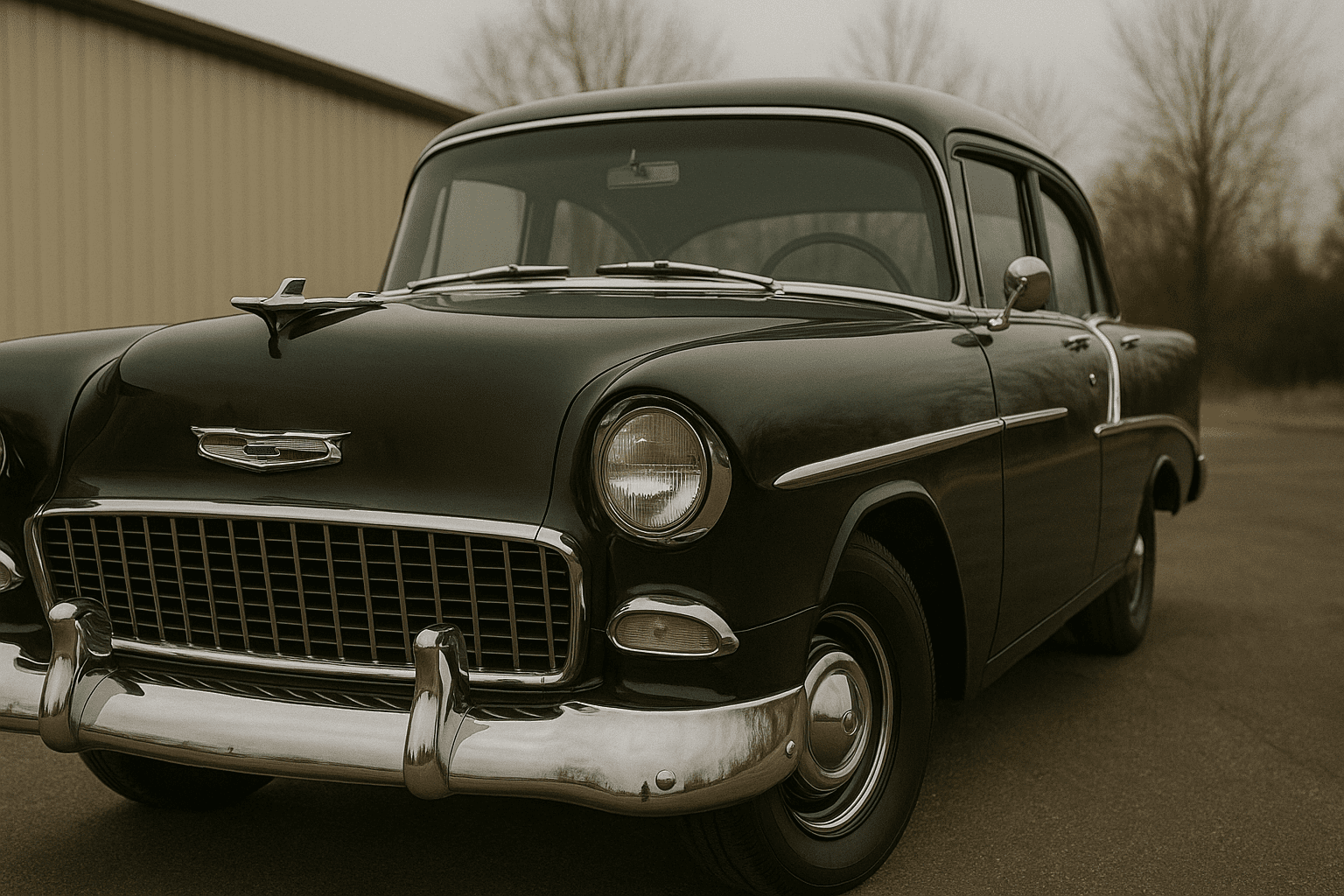
For many enthusiasts, OEM is the gold standard—especially for high-value restorations where authenticity and resale value matter most. If you’re restoring a Chevy Bel Air or Impala to concours condition, OEM components often bring higher appraised values and more credibility at car shows.
For a full breakdown of restoring these iconic models, check out our Interior Restoration Tips for Bel Airs and Impalas.
The Advantages of OEM Parts
- Guaranteed Fit: OEM components are designed to bolt right into place without modification.
- Authenticity: Judges and collectors look for original parts when evaluating classic Chevys.
- Resale Value: Cars with OEM components tend to command higher prices at auction.
However, OEM parts can be expensive and sometimes difficult to find—especially for rare models like the Chevelle SS or early Camaros.
What Are Aftermarket Chevy Parts?
Aftermarket parts are made by third-party manufacturers and are not always identical to the originals. While some are cheaper, others—especially high-performance aftermarket parts—can far exceed OEM in quality and durability.
Modern aftermarket suppliers also offer improved technology, from upgraded suspension components to performance carburetors, which can make your Chevy safer, faster, and more reliable as a daily driver.
Want help spotting originality versus reproduction? Check out our guide on How to Spot a Fake Chevelle SS.
The Advantages of Aftermarket Parts
- Cost Savings: Aftermarket parts are often more affordable than OEM.
- Availability: Far easier to source, especially for daily maintenance items.
- Customization: From chrome valve covers to performance exhausts, the aftermarket opens the door to personal style.
Some restoration purists shy away from aftermarket, but for those who want a balance between originality and practicality, aftermarket parts can be the best option.
OEM vs Aftermarket: Which Is Right for You?
- For Authentic Restorations: If you’re entering a judged classic car show or plan to sell your Chevy as an investment, OEM parts are the safest bet.
- For Driving Enjoyment: If you want to hit the road often, an aftermarket may be the smarter choice. It allows for performance upgrades, cost efficiency, and easier replacements.
- For a Mix: Many Chevy enthusiasts use a hybrid approach—OEM for visible components and aftermarket for hidden upgrades like brakes, suspension, or ignition systems.
For more buying guidance, see our Classic Chevy Parts & Upgrades.
Resources for Chevy Restoration
When sourcing the best Chevy restoration parts, it pays to rely on trusted suppliers and communities:
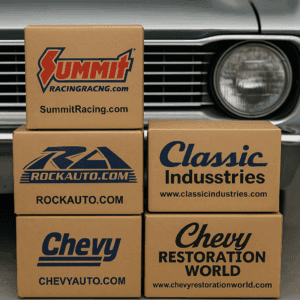
- Chevy Restoration World – Specializes in authentic and reproduction parts for multiple models.
- Classic Industries – One of the most comprehensive catalogs of OEM and aftermarket Chevy parts.
- OldChevys.com – 10 Things Every Classic Chevy Owner Should Know
Chevy OEM vs aftermarket parts provide extensive options for restorers, balancing authenticity, budget, and performance.
The Best Choice is the One That Keeps Your Chevy on the Road
The Chevy OEM vs aftermarket parts decision comes down to your vision for your classic car. OEM provides originality and value, while the aftermarket delivers affordability and performance flexibility. At the end of the day, the best choice is the one that keeps your Chevy on the road and your passion for restoration alive.
Whether you’re chasing concours perfection or building a weekend cruiser, knowing when to choose OEM and when to go aftermarket is the key to a successful restoration.