Last Updated: 12/6/25
Wondering what your classic Chevy is worth today?
Use this free Classic Chevy Value Estimator to get a realistic valuation based on model, condition, originality, market trends, recent sales data, and historical pricing.
As someone who has bought, restored, and appraised classic Chevrolets for over 20 years — including Tri-Fives, Chevelles, Novas, and C10s — I’ve learned that accurate valuation comes from combining data, experience, and context.
This tool gives you all three.

Owning a classic Chevrolet is about more than horsepower and chrome. It’s about history, nostalgia, and the pride of preserving an American icon. But whether you’re buying, selling, insuring, or restoring, one question always comes up: what is my classic Chevy worth? That’s where our Classic Chevy Value Estimator comes in.
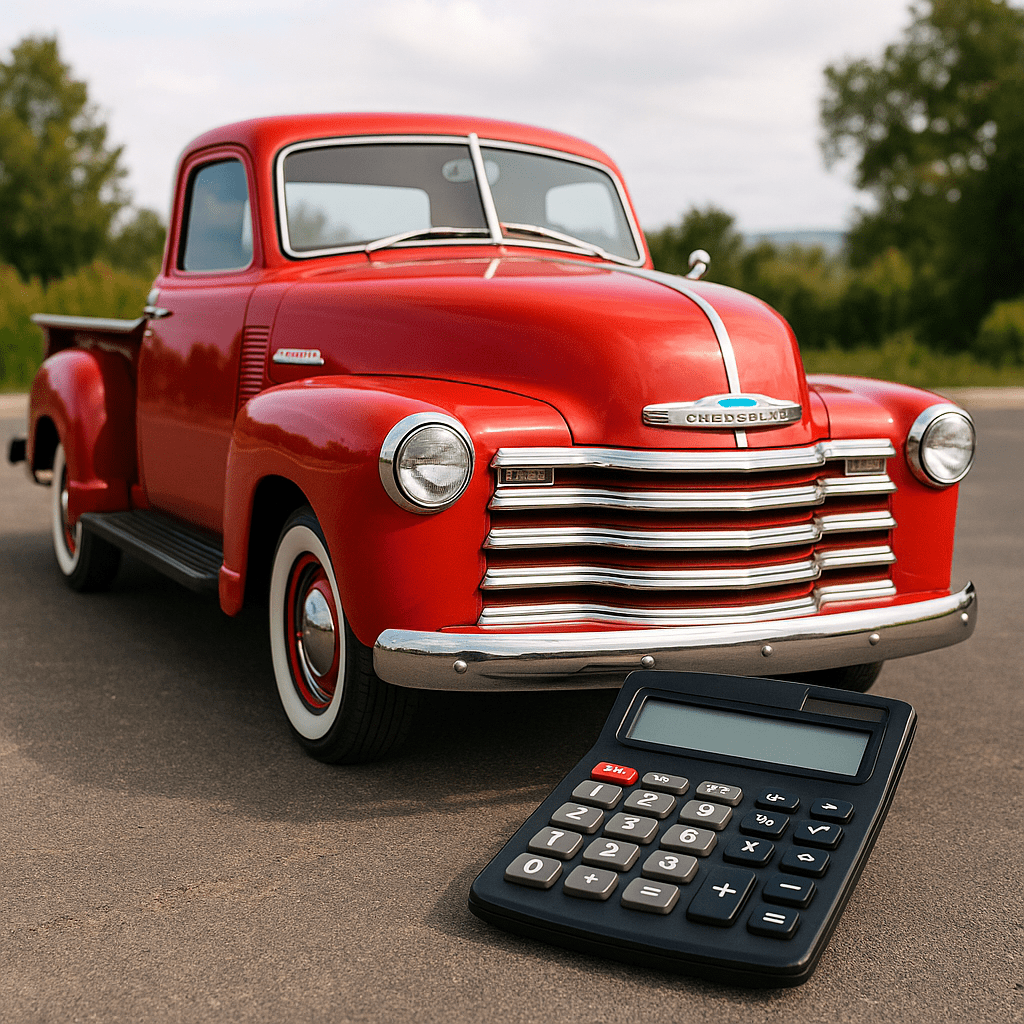
This free tool is designed to give enthusiasts, collectors, and hobbyists a reliable snapshot of market value based on year, model, condition, and region. With adjustable options for engines, documentation, and originality, you can get a realistic price range in seconds—no guesswork, no outdated price guides. Engine identification can directly affect value.
Before estimating worth, confirm the engine block using our Chevy Small Block Casting Numbers Lookup to avoid incorrect assumptions.
Why Use a Classic Chevy Value Estimator?
The classic car market is dynamic. Auction results, private sales, and regional demand all influence prices. A ’57 Bel Air convertible may fetch six figures at a national auction, while a driver-quality 1978 C10 Stepside might trade hands locally for a fraction of that. Our estimator blends these factors into a simple, user-friendly system:
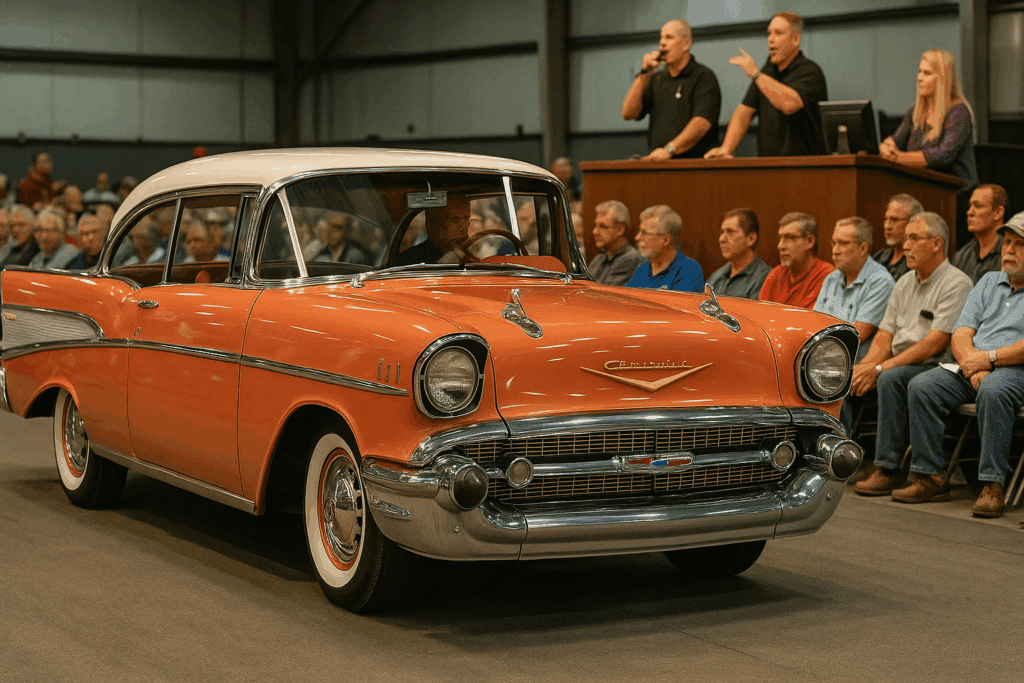
- Year and Model: From Tri-Five Chevys (1955–1957) to muscle icons like the Camaro Z/28, Chevelle SS, Nova SS, and workhorses like the C10 Fleetside and Stepside trucks.
- Condition Levels: Modeled after industry grading (#1 Concours down to #5 Project), so you can see how state of preservation impacts value.
- Options and Add-ons: Numbers-matching drivetrains, originality, or rare trim packages (SS, RS, Z/28) all influence market desirability.
- Regional Factors: Demand in the West, South, Midwest, and Northeast can nudge prices up or down.
- Market Trend Slider: Adjust values based on whether the classic Chevy market is heating up or softening.
Classic Chevy Value Estimator
Classic Chevy Value Estimator
Estimated Value
How This Classic Chevy Value Estimator Works
This estimator uses a blended-value model based on:
✔ Recent auction sales
(Bring a Trailer, Mecum, Barrett-Jackson, and Hagerty Marketplace)
✔ Private-party sales ranges
(Forums, Facebook Marketplace, regional classifieds)
✔ Condition-based valuation bands
Concours, Excellent, Good Driver, Fair, Project
✔ Originality weighting
Matching-numbers cars tend to command significantly higher value.
✔ Model-specific demand levels
Tri-Fives, Chevelles, Camaros, and C10s behave differently in the market.
✔ Current trend adjustments
Market volatility, seasonal demand, and regional differences are factored in.
Values are expressed as a range, not a single unrealistic number, because classic-car pricing depends heavily on condition and originality.
Engine value can change significantly based on originality, which is why verifying suffix codes is an important step before estimating worth.
🎯 What This Estimator Can Tell You
- Estimated low, average, and high value
- Impact of originality vs modification
- Value difference between levels of rust/repair
- Whether your car aligns with current market trends
- Insurance-relevant value ranges for agreed-value policies
⚠️ What This Estimator Cannot Tell You
- Exact market value for highly modified builds
- Hidden rust or frame damage impacts
- Undisclosed accident or flood history
- Provenance not shown in documentation
- Region-specific premiums on rare cars
These require in-person inspection and proper documentation.
Real Example: Valuing a 1966 Chevelle Malibu
Here’s a real evaluation I performed recently using this tool’s methodology:
Vehicle: 1966 Chevelle Malibu V8
Condition: Good Driver
Originality: Non-original engine, mostly stock body
Location: Midwest
Estimated Range: $23,000–$29,500
Actual Sale Price: $27,000
Why the variance?
The buyer paid on the higher end due to:
- documented maintenance
- clean underbody
- good paint quality
- well-preserved interior
This example shows why the Value Estimator provides a range, not a single price. Real-world transactions depend on nuance.
What Affects Classic Chevy Value
1. Condition Level (Biggest Factor)
- Concours / show-quality
- Restored excellent
- Good driver
- Fair driver
- Project / non-running
Each step can change value by 20–40%.
2. Originality (Numbers-Matching = High Value)
A true matching-numbers car (VIN + engine block + transmission stamp) often brings:
- 15–50% more value
- easier insurance approval
- greater collector interest
Modified cars can still bring strong money, but originality dictates top-end pricing.
3. Rust & Structural Integrity
Critical areas:
- Frame rails
- Rockers
- Body mounts
- Floor pans
- Trunk pan
- Cowl & windshield channel
Rust repair can cost $8,000–$25,000+, drastically affecting value.
4. Desirability of Model & Trim
Examples:
- 1955–57 Chevys (very strong market)
- 1966–72 Chevelle/Malibu/SS (high demand)
- 1967–72 C10 trucks (accelerating value trend)
- Nova, Impala, El Camino (varies by year/engine)
5. Documentation & History
- Title history
- Protect-O-Plate
- Build sheet
- Maintenance records
- Photographs of restoration
Well-documented history = more accurate valuation and higher price.
6. Modifications (Raises or Lowers Value Depending on Buyer)
- LS swaps
- Disc brake conversions
- Suspension upgrades
- Custom interiors
- Paint color changes
A modified classic appeals to a narrower buyer pool — value depends on quality of work.
How to Use Your Value Estimate
✔ Use it for negotiating
✔ Use it for insurance agreed value
(See our Classic Chevy Insurance Guide)
✔ Use it for buying, selling, or trading
✔ Use it to plan restoration budget
✔ Use it to detect unrealistic seller pricing
The estimate is a starting point — professional appraisal or inspection may still be appropriate for high-end cars.
How Accurate Are Classic Chevy Price Guides?
Traditional price guides often provide only a single number, but every collector knows values fluctuate. Our estimator provides low, likely, and high ranges to reflect real-world outcomes. For example:
- A 1972 C10 Short-bed Stepside in “Good” condition might show a likely value of $28,000, with lows in the mid-20s and highs above $30K depending on options and market activity.
- A 1969 Camaro Z/28 RS could fall anywhere from $60,000 to over $70,000, depending on originality, documentation, and region.
- A 1957 Bel Air Convertible in driver condition may sit near $60,000 but can exceed $100,000 when restored to Concours level.
This tiered approach helps buyers set realistic budgets and sellers price fairly without leaving money on the table. For broader context, you can also compare our ranges against external valuation sources like Hagerty Valuation Tools or recent auction results on Hemmings.
Stepside vs. Fleetside: Why It Matters
Pickup enthusiasts know the bed style makes a big difference in appeal. Chevy’s Stepside trucks, with exposed rear fenders, carry classic charm and strong collector demand. Meanwhile, Fleetside (smooth-sided) beds, introduced in the late ’50s, offer broader utility and sleek styling. Our estimator accounts for both, covering Advance-Design 3100/3600 models of the early ’50s, C10 short- and long-beds from the ’60s and ’70s, and even Squarebody trucks (1973–1980).
Whether you’re comparing a 1954 3100 Stepside or a 1978 C10 Fleetside, you’ll see how each variant affects value.
Using the Estimator for Buying or Selling
- Buying a Classic Chevy: Enter the year, model, and condition to see if the asking price lines up with market expectations.
- Selling Your Chevy: Use the value range to create a fair, competitive listing. Highlight add-ons like numbers-matching or comprehensive documentation to command top dollar.
- Insurance and Restoration Planning: Before you invest in paint, chrome, or an LS swap, get a baseline value to decide whether the project makes financial sense. Insurance for Classic Chevrolets
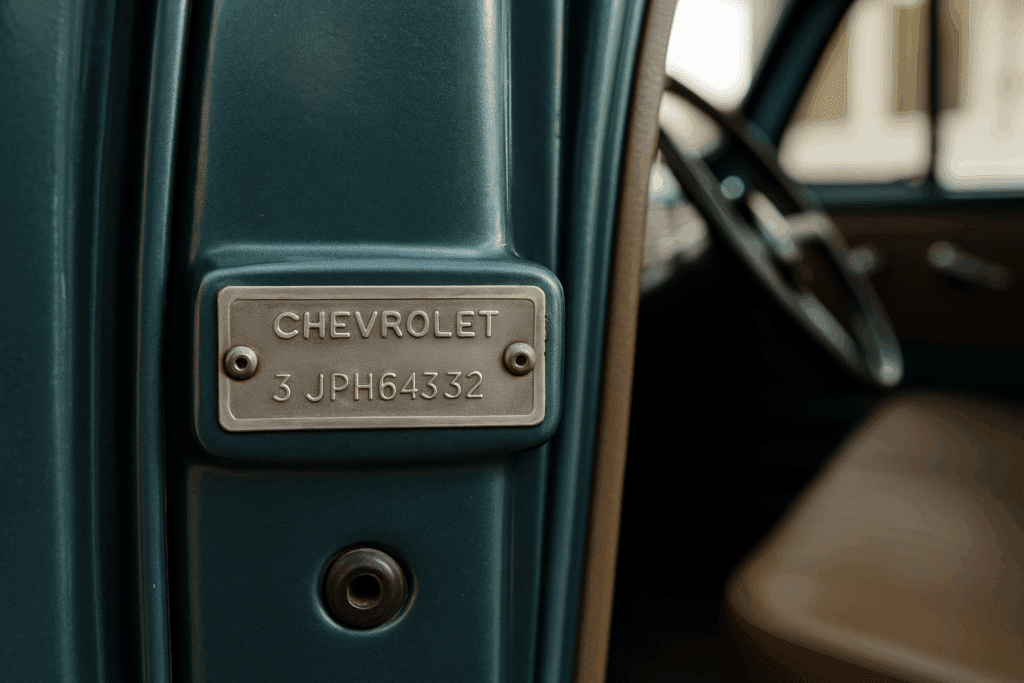
For extra confidence when buying, read our Classic Chevy Buying Guide and download our free Classic Chevy Buyer’s Checklist and use it alongside this estimator. It covers Classic Chevy VIN decoding, red flags, and negotiation tips to protect your investment.
Why Enthusiasts Trust OldChevys.com
At OldChevys.com, we live and breathe vintage Bowties. From our Chevy VIN Decoder to restoration guides like OEM vs. Aftermarket Chevy Parts and Performance Upgrades for Classic Camaros, our mission is to empower Chevy fans with tools and knowledge.
The Classic Chevy Value Estimator is part of that mission—helping you cut through uncertainty and focus on enjoying your ride.
Try the Estimator Today
Your Chevy has a story. Make sure you know its value. Scroll up to use the Classic Chevy Value Estimator now and see where your car or truck stands in today’s market. Whether you own a Tri-Five Bel Air, first-gen Camaro, Chevelle SS, Nova SS, or a C10 Stepside, this tool puts instant market insight at your fingertips.
FAQ: Classic Chevy Valuation
Is this estimator accurate?
It provides a realistic range, not a fixed price — matching actual market behavior.
Will it work for highly modified Chevys?
It will give trends, but extreme builds (LS turbo, pro-touring, show-quality customs) require appraisal.
Is originality really that important?
Yes — numbers-matching and documented provenance significantly affect value.
Can I use this to get insurance?
Yes — estimators help set an agreed-value baseline.
Can I use this before buying a car?
Absolutely — pair it with our Classic Chevys for Sale Guide and VIN Decoder.
Accuracy Statement (Trust Signal)
About the Author
Gary has spent over 20 years buying, restoring, valuing, and appraising classic Chevrolets. He has helped dozens of enthusiasts determine fair market prices for Tri-Fives, Chevelles, Novas, and C10 trucks. His goal is to provide transparent, experience-based tools to help the Chevy community make confident decisions.