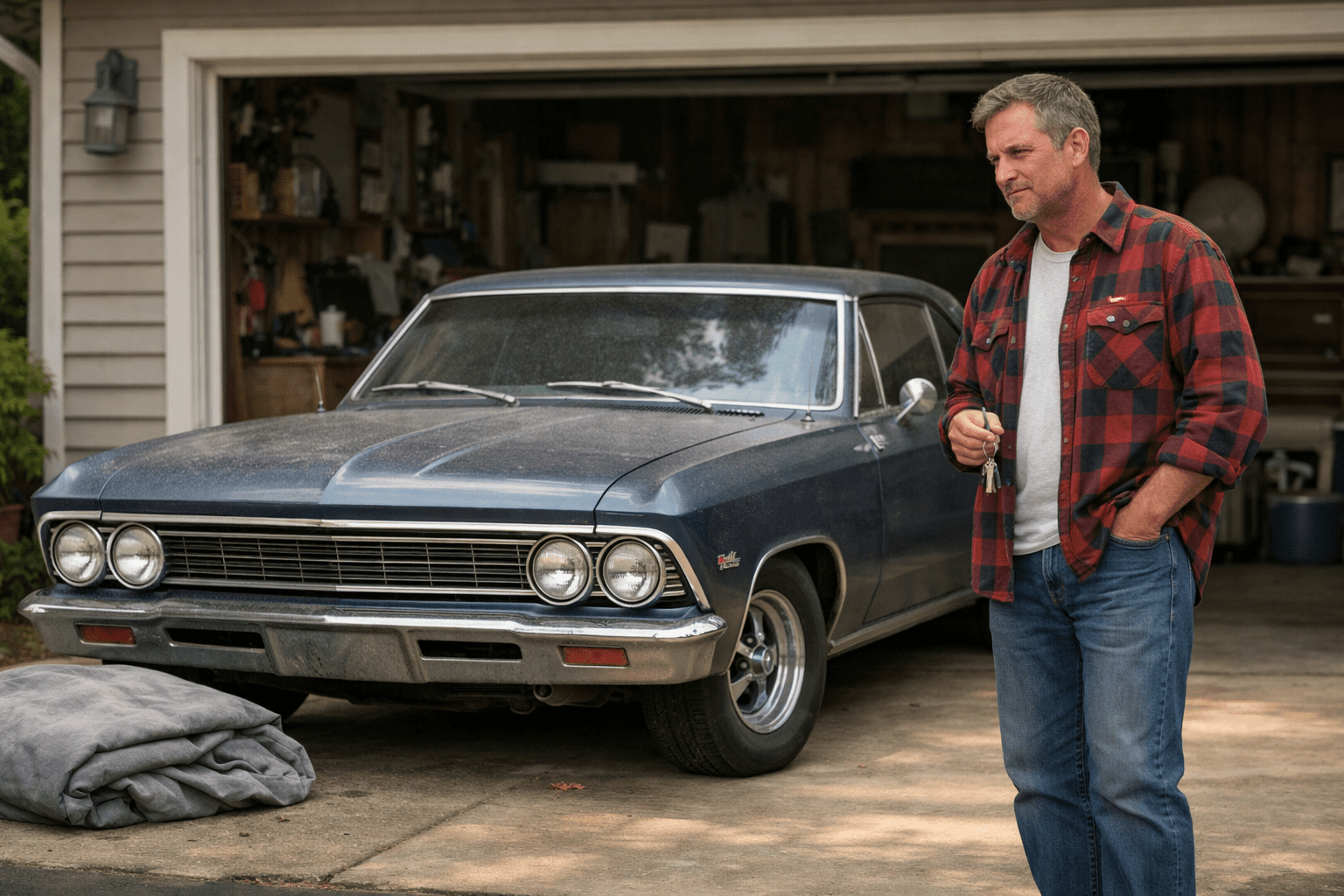
If your classic Chevy won’t start after sitting, the most common causes are stale fuel, a weak battery, corroded ignition parts, or fuel system issues caused by modern ethanol gas. These problems develop quietly during storage and usually show up the first time you try to restart the car after weeks or months.
Why This Problem Happens / Why This Matters
Classic Chevrolets—especially models from the mid-1950s through the early 1970s—were never designed to sit unused for long periods. Carburetors, mechanical fuel pumps, breaker-point ignitions, and non-sealed fuel systems all degrade when a car is parked.
Modern fuel compounds the issue. Ethanol-blended gas attracts moisture, evaporates quickly, and leaves deposits that clog small passages. Add aging wiring, marginal grounds, and older batteries, and a no-start situation becomes predictable—not mysterious.
This matters because repeated failed start attempts can:
- Wash oil off the cylinder walls
- Damage starters and solenoids
- Overheat ignition components
- Mask deeper issues like low compression or timing problems
Ignoring the root cause often turns a simple fix into a costly repair.
Common Causes When a Classic Chevy Won’t Start After Sitting
1. Weak or Sulfated Battery
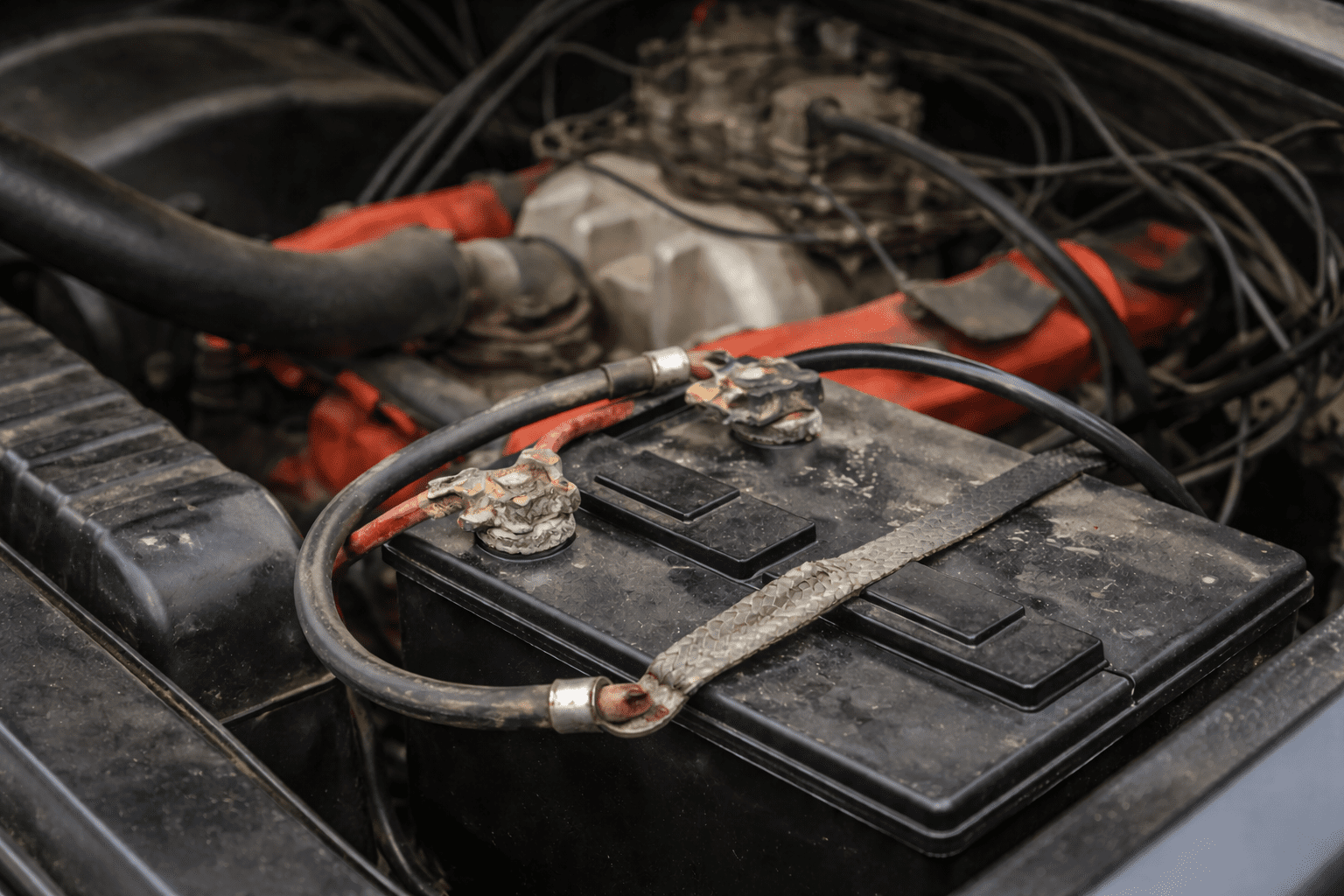
Symptoms
- Slow cranking or clicking
- Headlights dim when cranking
- Starts with a jump, then dies later
Why It Happens
Older lead-acid batteries self-discharge faster, especially in storage. Sitting below 12.4 volts causes sulfation that permanently reduces capacity.
Risk If Ignored
Repeated jump-starts stress the starter, solenoid, and wiring. You can also misdiagnose fuel or ignition issues when the real problem is voltage.
2. Stale or Ethanol-Degraded Fuel
Symptoms
- The engine cranks but won’t fire
- Starts briefly, then stalls
- Strong fuel smell with no ignition
Why It Happens
Fuel older than 60–90 days (shorter with ethanol) loses volatility. Ethanol absorbs moisture and forms varnish inside carburetor passages.
Risk If Ignored
Clogged jets, stuck floats, and deteriorated rubber fuel lines. Long-term storage without a stabilizer almost guarantees carb work later.
3. Carburetor Dry-Out or Internal Blockage
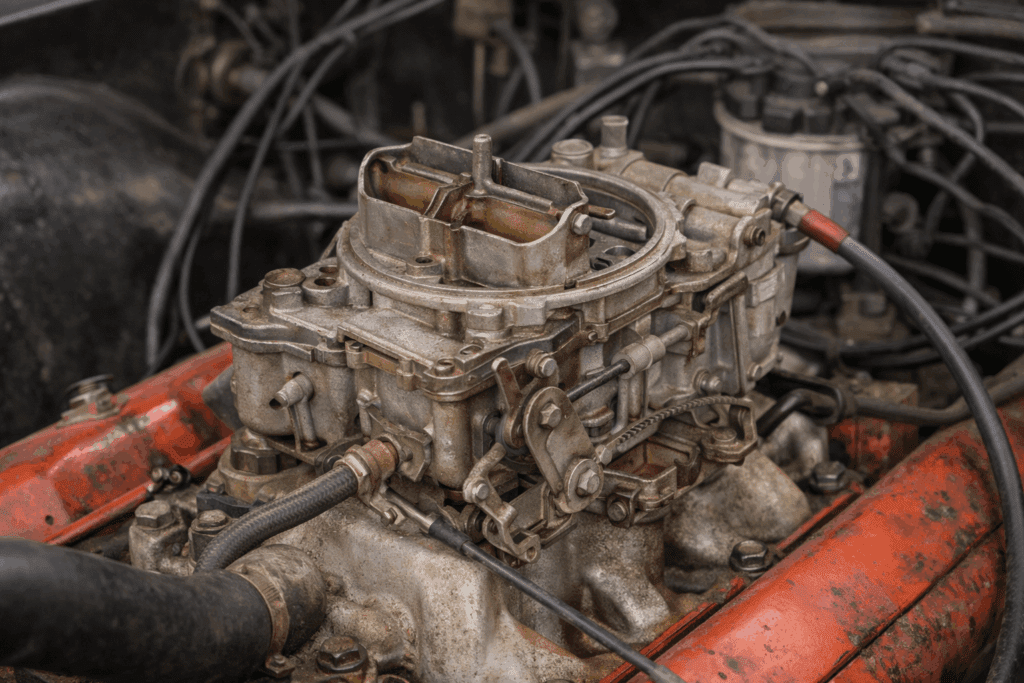
Symptoms
- No fuel squirting from the accelerator pump
- The engine only runs with fuel poured into carb
- Hard starting, even with fresh gas
Why It Happens
Carburetors rely on wet seals. Sitting allows gaskets to shrink and passages to gum up, especially in Quadrajets and older Holleys.
Risk If Ignored
Repeated cranking floods the engine or washes cylinders. A simple cleaning can turn into a full rebuild.
4. Ignition System Corrosion or Misadjustment
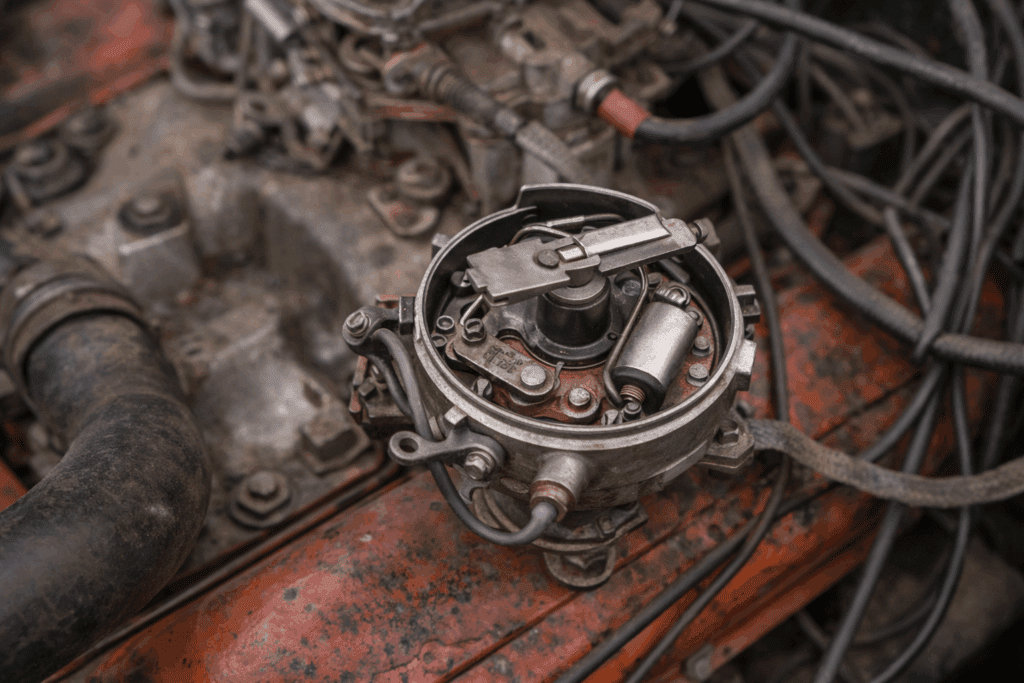
Symptoms
- Cranks normally, but no spark
- Rough idle before storage, now no start
- Starts only when cold
Why It Happens
Points oxidize, condenser values drift, and distributor caps absorb moisture. Plug wires can crack internally with age.
Risk If Ignored
Hard starting leads to backfires, fouled plugs, or damaged exhaust components.
5. Fuel Pump or Fuel Delivery Failure
Symptoms
- No fuel reaching the carb
- Oil smells like gasoline
- The engine ran fine before storage
If your Chevy runs fine cold but struggles after stopping for fuel or lunch, vapor lock is a likely culprit—especially with modern ethanol-blended gas.
Why It Happens
Mechanical fuel pump diaphragms dry out and crack when unused. Rubber hoses collapse internally.
Risk If Ignored
Fuel dilution of engine oil, bearing damage, or fire risk from leaks.
6. Poor Grounds or Aged Wiring
Symptoms
- Intermittent starting
- Voltage present but weak spark
- Electrical accessories act erratically
Why It Happens
Original ground straps corrode. Paint and powder coating interrupt ground paths after restorations.
Risk If Ignored
Chasing phantom issues while stressing ignition and charging systems.
How to Fix or Evaluate Each Cause
Step-By-Step Diagnostic Order (Start Here)
- Battery voltage check (12.6V fully charged)
- Verify the spark at a plug
- Confirm fuel delivery to the carb
- Check ignition timing and dwell
- Inspect grounds and cables
Battery Fix
- Charge fully and load test
- Replace if the voltage drops below 10V while cranking
Cost: $120–$220
Difficulty: Easy
Warning: Avoid cheap batteries—classic starters need strong cold cranking amps.
Fuel System Fix
- Drain old fuel if over 90 days
- Replace fuel filter(s)
- Add fresh fuel plus stabilizer
Cost: $25–$80 (more if tank removal required)
Difficulty: Easy–Moderate
Warning: Never crank excessively with stale fuel—it accelerates carb damage.
Carburetor Evaluation
- Check accelerator pump discharge
- Inspect choke operation
- Clean or rebuild if dry
Cost:
- Cleaning: $30–$60
- Rebuild: $80–$200
Difficulty: Moderate
Warning: Avoid random screw adjustments—they often make things worse.
Ignition System Repair
- Replace points, condenser, cap, rotor
- Set dwell and timing correctly
Cost: $40–$120
Difficulty: Moderate
Warning: Incorrect timing can mimic fuel problems.
Fuel Pump Replacement
- Inspect oil for fuel contamination
- Replace the mechanical pump if it is weak or leaking
Cost: $35–$90
Difficulty: Moderate
Warning: Always change oil if fuel contamination is found.
Ground & Wiring Fix
- Clean battery terminals
- Add engine-to-frame ground strap
- Verify starter and ignition grounds
Cost: $10–$40
Difficulty: Easy
Warning: Grounds cause more “mystery problems” than bad parts.
Parts, Tools, or Upgrades Worth Considering
| Component | Stock Style | Mild Upgrade | Why It Helps |
|---|---|---|---|
| Battery | Flooded lead-acid | AGM battery | Better storage tolerance |
| Ignition | Points | Electronic module | Consistent spark |
| Fuel | Ethanol blend | Non-ethanol + stabilizer | Reduced carb issues |
| Fuel Lines | Rubber | Ethanol-safe hose | Prevents collapse |
These upgrades don’t change the car’s character—they simply improve reliability.
Mistakes Owners Commonly Make
- Replacing parts randomly instead of testing
- Ignoring grounds during restorations
- Letting ethanol fuel sit untreated
- Over-cranking instead of diagnosing
- Assuming “it ran fine before” means nothing changed
Classic cars reward methodical thinking, not guesswork.
When to Seek Professional Help
Get expert help if:
- Compression is uneven or low
- The engine backfires through the carb or the exhaust
- Timing marks don’t align
- Fuel contamination keeps recurring
- Wiring has been modified extensively
A knowledgeable classic-car mechanic can save money by preventing unnecessary parts replacement.
Related Buyer or Ownership Advice
If starting issues keep appearing, it may signal deeper ownership considerations:
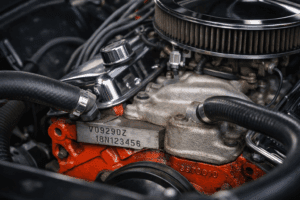
- Verify originality and engine history with How to Decode a Classic Chevy VIN
- Understand engine-specific quirks using Small Block Chevy Engine Guide
- Avoid future surprises with Classic Chevy Buyer’s Checklist
- How to fix a Gas Smell in a Classic Chevy
- Common Fixes for Why My Classic Chevy Won’t Start After Sitting
These steps matter whether you’re restoring, buying, or just maintaining reliability.
FAQs
Why does my classic Chevy start fine cold, but not after sitting?
Fuel evaporation, weak batteries, and carb dry-out are common causes. Cold starts mask marginal ignition and fuel delivery problems.
Should I convert to electronic ignition?
For regularly driven cars, yes—it improves reliability. For originality-focused restorations, properly maintained points still work well.
How long can gas sit in a classic car?
Without a stabilizer, 30–60 days is enough to cause issues. Ethanol fuel shortens that window.
Is it bad to let a classic Chevy sit all winter?
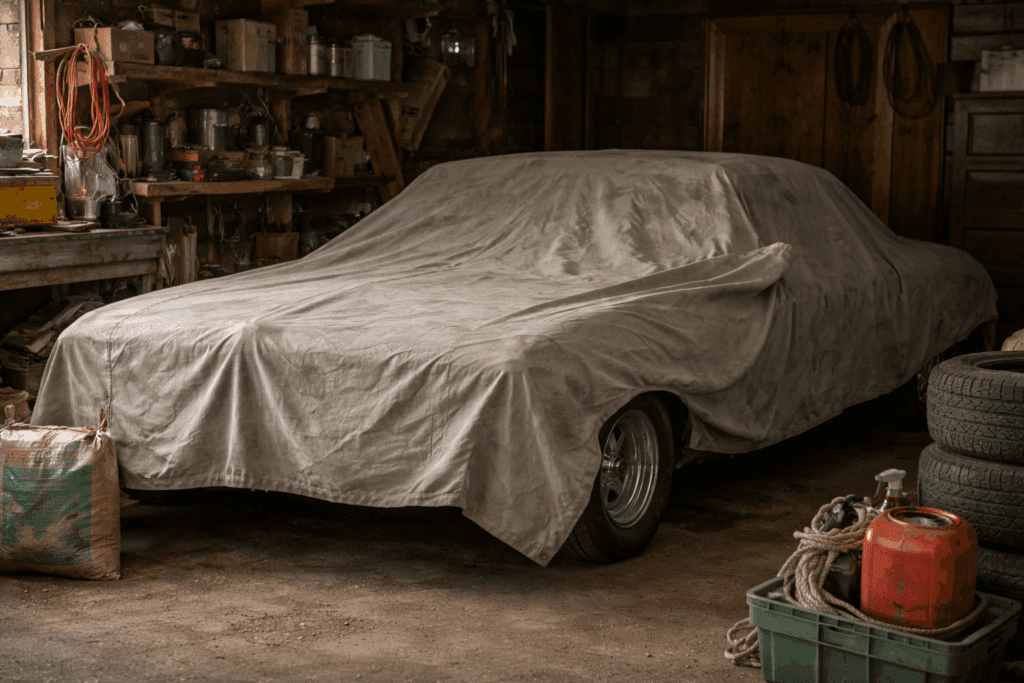
Yes, unless properly stored. Batteries, fuel systems, and seals all degrade without preparation.
Final Takeaway
When a classic Chevy won’t start after sitting, the cause is usually simple—and predictable. Storage magnifies weak batteries, stale fuel, ignition wear, and grounding problems. Diagnose methodically, fix the root issue, and make small reliability upgrades. Long-term ownership success comes from understanding how these cars behave, not fighting them.
Experience & Practical Ownership Insight
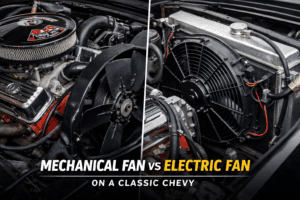
This guide is written from real classic Chevy ownership and hands-on troubleshooting experience with 1955–1972 Chevrolets, including small-block V8 and inline-six platforms. The causes and fixes described reflect issues that consistently appear after seasonal storage—especially with carbureted fuel systems and breaker-point ignitions. One of the most common drivability complaints on small blocks—especially in traffic—is overheating at idle issues, which often point to airflow, timing, or coolant circulation problems rather than internal engine damage.
Expertise
Content is grounded in period-correct Chevrolet mechanical systems:
- Carbureted fuel delivery (Rochester, Holley, Carter)
- Mechanical fuel pumps
- Points and condenser ignition systems
- Original wiring and grounding layouts
Year-specific behavior differences are noted where relevant, particularly between early 1950s designs and late-1960s/early-1970s emissions-era vehicles.
Authoritativeness
OldChevys.com focuses exclusively on vintage Chevrolet ownership, restoration, and buying guidance. This article aligns with established diagnostic best practices used by classic-car mechanics, restorers, and long-term hobbyists—prioritizing testing and root-cause analysis over parts swapping.
Trustworthiness
- No guarantees or exaggerated claims
- Realistic cost ranges based on current classic-car parts pricing
- Clear warnings where improper diagnosis can cause engine or component damage
- Recommendations favor reliability and preservation over unnecessary modification
Where upgrades are mentioned, stock-compatible options are emphasized to maintain originality and long-term value.
Author Bio
Gary Thompson is a long-time classic Chevrolet owner and hands-on hobbyist with real-world experience maintaining and troubleshooting 1950s–1970s Chevy cars and trucks. His work focuses on storage-related starting issues, carbureted fuel systems, period-correct ignitions, and practical ownership decisions. At OldChevys.com, Gary writes from firsthand experience, emphasizing accurate diagnosis, preservation-minded repairs, and informed buying guidance over speculation or trends.