
If you’re restoring a classic Chevy truck or shopping for your next project, one of the biggest decisions you’ll make is stepside vs fleetside. These two iconic Chevy truck bed styles deliver very different looks, hauling capability, and resale value.
This guide breaks down the differences, pros and cons, generational notes, and how to choose the best bed style for your C10, Squarebody, or Task Force Chevy truck.
Why You Can Trust This Guide
- Hands-on restoration experience: This comparison is based on real-world work with Stepside and Fleetside trucks across multiple model years (1955–1987).
- OEM-source research: Measurements, terminology, and historical context are referenced from factory documentation, GM brochures, and verified restoration manuals.
- Market awareness: Recommendations take into account current resale trends, parts availability, and collectability in today’s classic-truck market.
- Practical insights: Pros and cons reflect actual day-to-day use — hauling, driving, maintaining, and showing restored Chevy pickups.
What’s the Difference Between Stepside and Fleetside?
Stepside Bed (Fenderside / Sportside / Flareside)
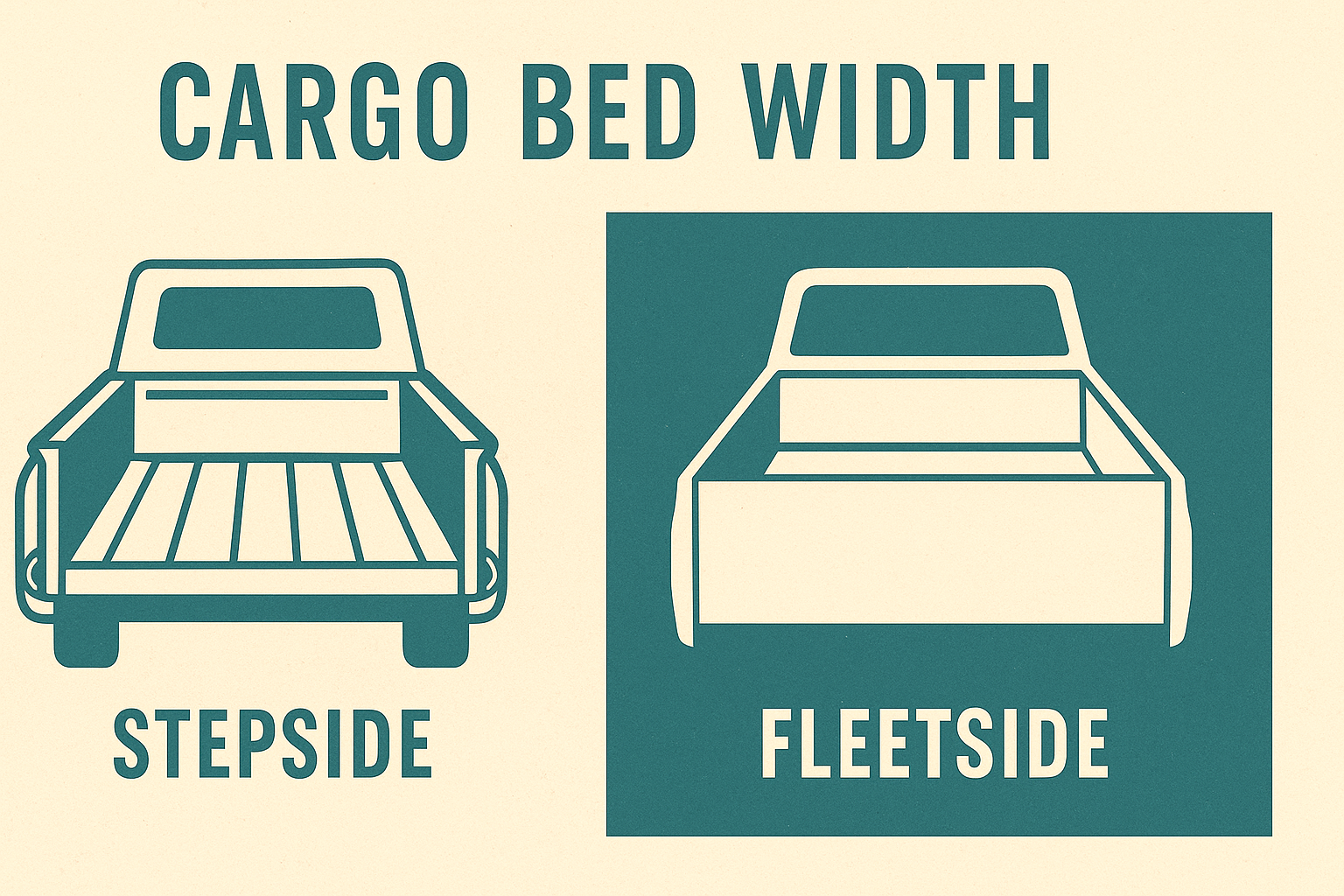
A stepside bed features separate external rear fenders, a narrow rectangular cargo box, and a side step between the cab and the fender. Many classic Chevys—including earlier Task Force trucks and C10 stepside models—featured wood bed floors, adding to their vintage appeal. If you’re restoring one, here’s a Classic Chevy Parts Guide for an authentic factory look.

Key characteristics of a Chevy Stepside:
- Narrow cargo bed with bolt-on rear fenders
- Side step between cab and fender
- Strong 1950s–1970s nostalgia
- Popular for hot-rod, patina, and show builds
Stepside trucks draw more attention at local shows because of their distinctive fenders.
Fleetside Bed (Styleside / Wideside / Townside)
A fleetside bed uses straight, smooth exterior panels that run flush with the cab. The wheel wells sit inside the bed, creating a wider and flatter cargo floor.
Fleetside styling became dominant from the late 1950s onward and is most common on C10 fleetside, Squarebody, and later Silverado models.

Key characteristics of a Chevy Fleetside:
- Smooth, modern bed sides
- Wider interior cargo space
- Better compatibility with tonneau covers & accessories
- Extremely popular in the C10 and Squarebody eras
In my own restorations, Fleetside beds are consistently easier to align and source panels for.
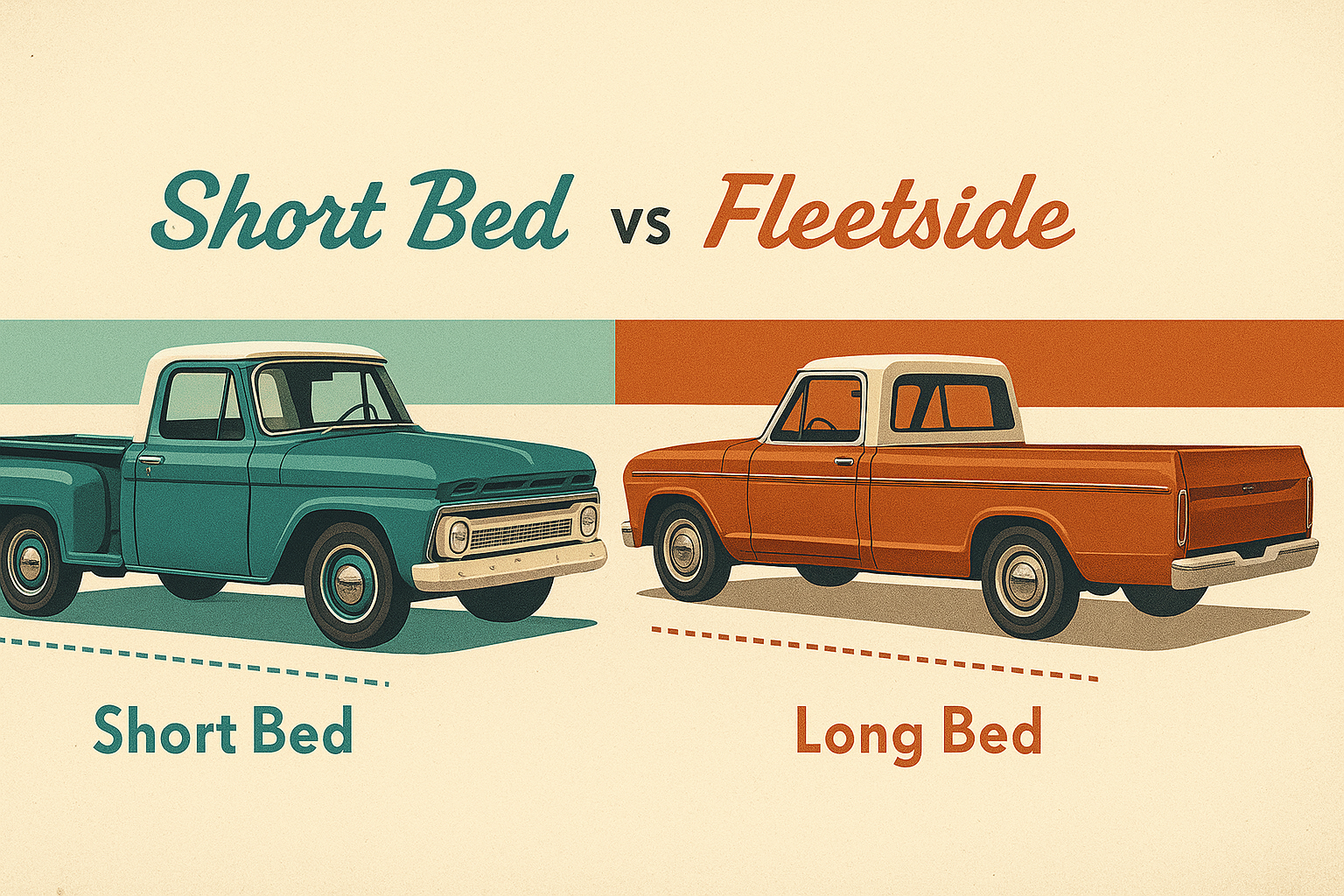
Quick Visual Comparison: Stepside vs Fleetside
| Feature | Stepside | Fleetside |
|---|---|---|
| Bed Sides | Boxy with external fenders | Smooth, flush body lines |
| Cargo Width | Narrow | Wide and flat |
| Style | Retro, unique, classic | Clean, modern, universally appealing |
| Bed Floor | Often wood | Usually steel |
| Best For | Traditional builds, show trucks | Daily driving, hauling, resale value |
How Bed Style Affects Your Classic Chevy Build
1. Cargo Space & Usability
If you actually haul engines, parts, or 4×8 sheets, the fleetside is the clear winner.
Fleetside benefits:
- Wider usable bed width
- Easier to load larger cargo
- Compatible with modern bed accessories
A stepside works fine for light hauling, but its narrow box isn’t ideal for big items.
Best choice for hauling: Fleetside
Best for cruising/show: Either, depending on style preference
2. Style & Build Direction
Stepside Style
Perfect for:
- Hot-rod or gasser-style builds
- Patina or restored original looks
- Two-tone or retro color schemes
- Trucks with wood bed upgrades
Fleetside Style
Best for:
- Pro-touring C10 builds
- LS-swap street trucks
- Clean, modern aesthetics
- Larger wheels and lowered suspensions
If your project is a 1973–1987 Squarebody, fleetside styling especially complements lowered restorations. I’ve replaced both Stepside and Fleetside wood floors — Fleetside installations generally take less time because of the rectangular bed layout.
3. Short Bed vs Long Bed (Chevy C10 & Squarebody Value Insight)
This is a major value driver for collectors.
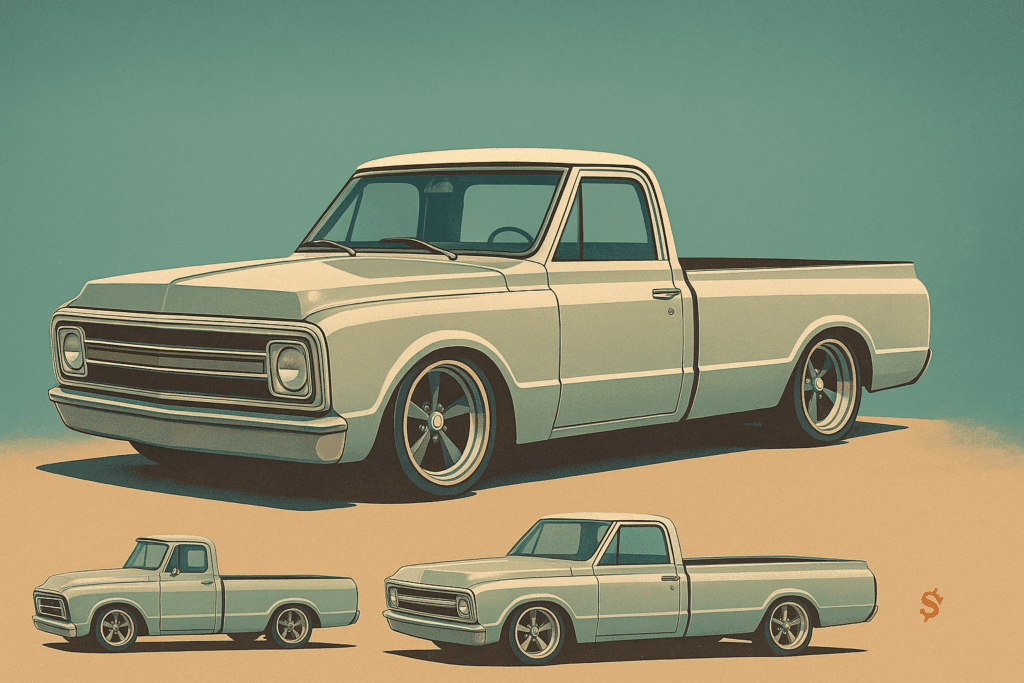
Short-bed Fleetside
- Highest demand
- Strongest resale
- Ideal for performance/street builds
Short-bed Stepside
- Niche but visually striking
- Strong in the right builds
- Great for nostalgia lovers
Long-bed trucks (both styles)
- Lower prices
- Better for real hauling
- Good for budget builds
If resale value matters, short-bed fleetside is the safest bet across C10 and Squarebody markets. For more details on evaluating condition, trim, and originality, check out our comprehensive Chevy C10 buyer’s guide.
4. Parts Availability & Aftermarket Support
Fleetside parts = abundant.
Because fleetside beds were produced in greater numbers, you’ll find more:
- Reproduction bed sides
- Patch panels
- Bed rails, tonneau covers, and accessories
- Used parts at swaps and salvage yards
Stepside parts exist (especially for C10s) but can be pricier and sometimes harder to source. Retailers like LMC Truck stock a wide range of C10 Fleetside and Stepside bed parts for most model years.
5. Resale Value: Which Bed Style Is Worth More?
In most eras of Chevy trucks:
- Fleetside models generally command higher resale values
- Short-bed fleetside C10s are especially strong performers
- Stepsides can bring great money when they’re unique, clean, and purpose-built

You can compare recent auction trends and classic Chevy truck values using Hagerty’s valuation tools or our own Classic Chevy Value Estimator.
If you’re building to sell:
→ Short-bed Fleetside C10 or Squarebody = safest investment
→ Stepside = best choice for standout show builds
Pros & Cons: Stepside vs Fleetside
Stepside Pros
- Classic 1950s–1970s Chevy look
- External fenders add visual character
- Wood bed floors add show-truck appeal
- Unique at meets and shows
Stepside Cons
- Narrow cargo width
- Some parts harder to find
- Generally lower demand vs fleetside variants
Fleetside Pros
- Wider, more practical cargo area
- Clean, modern design
- Better aftermarket support
- Stronger resale value for C10s and Squarebodies
Fleetside Cons
- More common—less visually unique
- No side step for quick bed access
Generational Guide: Chevy Stepside vs Fleetside by Era
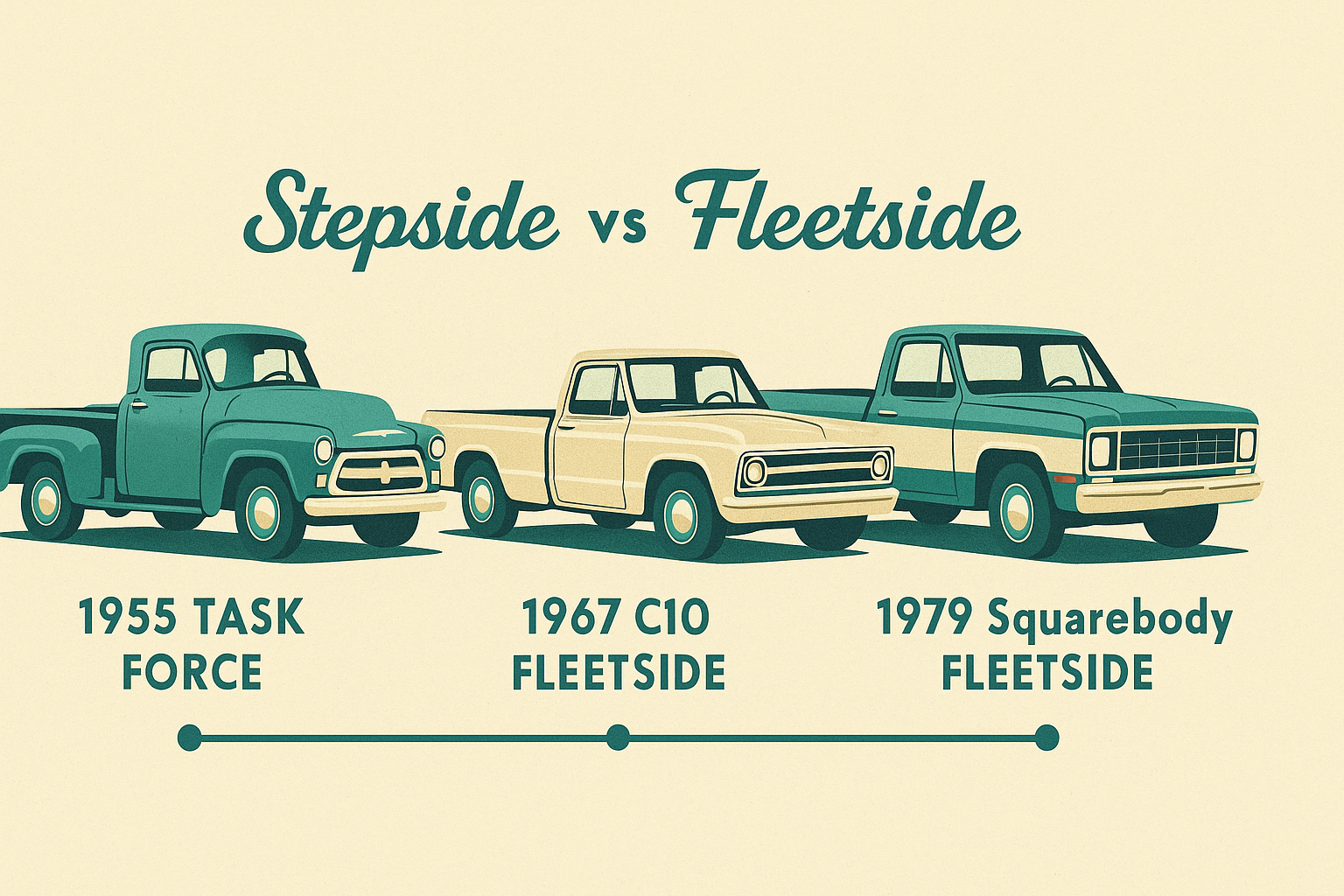
1955–1959 Task Force
- Stepside standard
- Fleetside introduced in late ’50s
Check out our article on Force Chevy Trucks (’55–’59): The Golden Era of Classic Pickups.
1960–1966 C/K Series
- Both stepside and fleetside available
- Fleetside begins to dominate
1967–1972 C10 “Action Line”
- High demand for both short-bed fleetside and stepside
- Very strong collector era
1973–1987 Squarebody
- Fleetside overwhelmingly popular
- Stepside still available but more niche
1990s–2000s Silverado
- Stepside (Sportside) offered on select trims
- Discontinued mid-2000s
How to Choose Between Stepside and Fleetside
Ask yourself:
1. What’s the purpose of the truck?
- Hauling / daily use → Fleetside
- Weekend cruiser / show truck → Either
2. Does resale value matter?
- Go fleetside—preferably short-bed
3. What’s your build style?

- Retro / patina → Stepside
- Modern / LS swap → Fleetside
4. What parts are easy to find locally?
- Fleetside parts are easier and cheaper to source
5. Are you converting from one to the other?
It can be done, but requires:
- Bed swap
- Brackets & mounting adjustments
- Bumper & filler modifications
In most cases, builders recommend staying with the factory bed style unless you’re doing a full frame-off restoration.
FAQ: Stepside vs Fleetside (Chevy Truck Bed Guide)
What is the main difference between a Stepside and a Fleetside Chevy truck bed?
A Stepside Chevy bed has external rear fenders, a narrow cargo box, and a step between the cab and the fender. A Fleetside bed has smooth, flush body lines with the wheel wells inside the bed, creating a much wider and flatter cargo floor.
Which is better: Stepside or Fleetside?
It depends on your goals. If you want maximum cargo space, easier hauling, and better resale value, the Fleetside is typically the best choice. If you prefer a vintage look, wood bed floor, and show-truck style, the Stepside stands out visually.
Does a Stepside or Fleetside have more cargo space?
The Fleetside has significantly more interior bed width and usable cargo floor space because the wheel wells are inside the bed. Stepside beds have narrow floors due to the external fender design.
Which Chevy trucks came with Stepside beds?
Chevy offered Stepside beds on several generations, including:
1955–1959 Task Force
1960–1966 C/K trucks
1967–1972 C10 (short and long bed)
1973–1987 Squarebody (less common)
1990s–2000s Silverado Sportside models
After the mid-2000s, GM discontinued the Stepside/Sportside op
Which Chevy trucks came with Fleetside beds?
Nearly every era of Chevy trucks offered Fleetside beds, including:
Late ’50s Task Force
1960–1966 C/K
1967–1972 C10
1973–1987 Squarebody
1988–1998 GMT400
1999–present Silverado
Fleetside quickly became the standard bed style due to practicality and modern appearance.
Are short-bed Fleetsides worth more than Stepsides?
In most markets, yes. A short-bed Fleetside C10 or Squarebody typically commands the highest resale value. Stepsides can still bring strong money when they’re clean, restored, or custom show builds, but Fleetside models have broader buyer demand.
Is a Stepside bed harder to find parts for?
Generally, yes. Fleetside beds have much better parts availability—reproduction bed sides, patch panels, tonneau covers, and accessories are easy to source. Stepside parts, especially original fenders and wood-bed components, can be harder to find and sometimes more expensive.
Can you convert a Chevy Stepside to a Fleetside bed?
Yes, but it’s not a simple bolt-on swap. Converting from Stepside to Fleetside (or vice versa) may require:
Different bed mounting brackets
Adjusting bumper alignment
Modifying fuel filler location
Matching bed length to wheelbase
Most builders recommend keeping the factory bed style unless you’re doing a frame-off restoration.
Which style is better for a show truck?
For retro show builds, the Stepside bed—with its wood floor and classic fenders—often stands out more. For modern or pro-touring builds, the Fleetside bed’s clean lines pair better with lowered suspensions, LS swaps, and modern paint.
Why did Chevy discontinue the Stepside/Sportside bed?
Chevy ended Stepside-style production in the 2000s because:
Buyers preferred larger cargo beds
Fleetside designs matched modern truck styling
Safety and aerodynamics favored smooth bed sides
Today, Stepsides remain popular mainly in the classic Chevy truck restoration world.
Disclaimer:
The information in this article is based on historical data, industry experience, and commonly accepted practices in classic-truck restoration. It is intended for educational purposes only. Vintage trucks vary widely in condition, modifications, and market demand. Always verify measurements, parts compatibility, and pricing with qualified professionals or trusted suppliers before making purchase or restoration decisions. OldChevys.com is not responsible for individual outcomes or damages resulting from the use of this information.
About the Author
Gary Thompson is a lifelong classic-Chevy enthusiast with 25+ years of hands-on experience restoring Tri-Five Chevys, C10s, and early Task Force trucks. He has completed multiple full frame-off restorations, specializing in bed conversions, panel alignment, and original-spec bodywork. Gary has contributed technical guides, buyer’s checklists, and restoration tutorials to several classic-automotive communities. His work combines on-the-ground mechanical experience with deep research into OEM specifications, period-correct parts, and current collector-market trends.
Through OldChevys.com, Gary helps builders, hobbyists, and first-time buyers make informed, confident decisions about their classic Chevy projects.
Technical Review:
This article was reviewed for accuracy and clarity by OldChevys Restoration Editorial Team — a group of experienced Chevy restorers and researchers who verify specifications, cross-check part data, and ensure all recommendations follow modern restoration best practices.
Last updated: 12/9/25