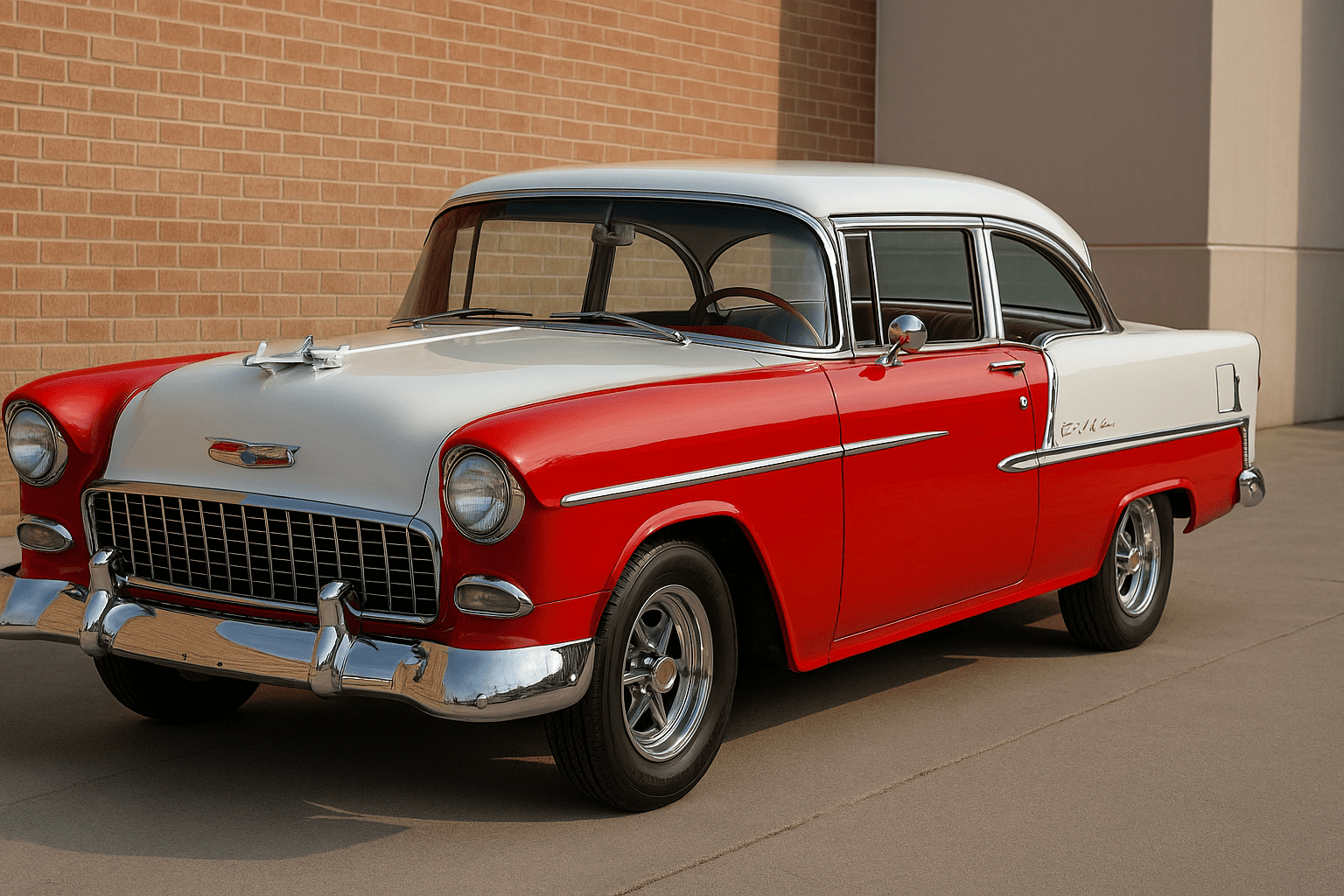
Bringing the ’55 Chevy Bel Air Back to Life
Few cars capture the spirit of 1950s America like the 1955 Chevy Bel Air — the first of the legendary Tri-Five Chevrolets. Restoring one isn’t just about tools and parts; it’s a time machine back to chrome, color, and craftsmanship..
Whether you’re rescuing a barn find or refreshing a driver, this 1955 Bel Air restoration guide walks you through the process step by step — from stripping the body to polishing that last piece of chrome.
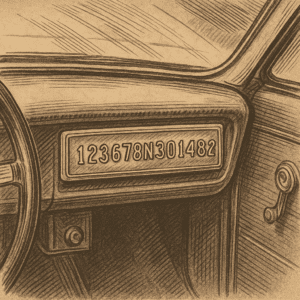
And if you’re just starting out, check out our Classic Chevy VIN Decoder to verify your car’s originality before the build begins.
Table of Contents
Planning the Restoration: Know Your Goal
Before you touch a wrench, decide your build direction. Do you want a numbers-matching 1955 Chevy Bel Air restoration, or a mild Tri-Five resto-mod with disc brakes, A/C, and a small-block upgrade?
Document everything — photos, labels, and notes. Grab a few must-have manuals, like the 1955 Chevrolet Shop Manual and How to Restore Your Classic 1955–56 Chevrolet .
Make a checklist of what needs replacing — floor pans, rocker panels, wiring harnesses, or chrome trim. Having a detailed plan will keep your 1955 Chevy restoration organized and on budget.
Body and Chassis: Solid Foundations
The 1955 Bel Air has a strong frame but is notorious for rust in the floors, trunk corners, and rocker panels. Start by stripping to bare metal and inspecting everything. Cut out the bad steel and weld in new 1955 Chevy body panels (try Danchuk Manufacturing for OEM-quality reproductions).
Dry-fit your panels before paint — doors, hood, and fenders — to get those crisp, even gaps. Once the bodywork is true, coat it in epoxy primer and block-sand until the reflections are arrow-straight.
If you need reference photos of original fitment, browse Hemmings Classic Car Archives — their restoration features are great visual guides.
Paint and Finish: Authenticity Meets Art
Picking the perfect paint is where the 1955 Chevy restoration really comes to life. Factory combinations like Gypsy Red and India Ivory or Regal Turquoise and Shadow Gray never go out of style.
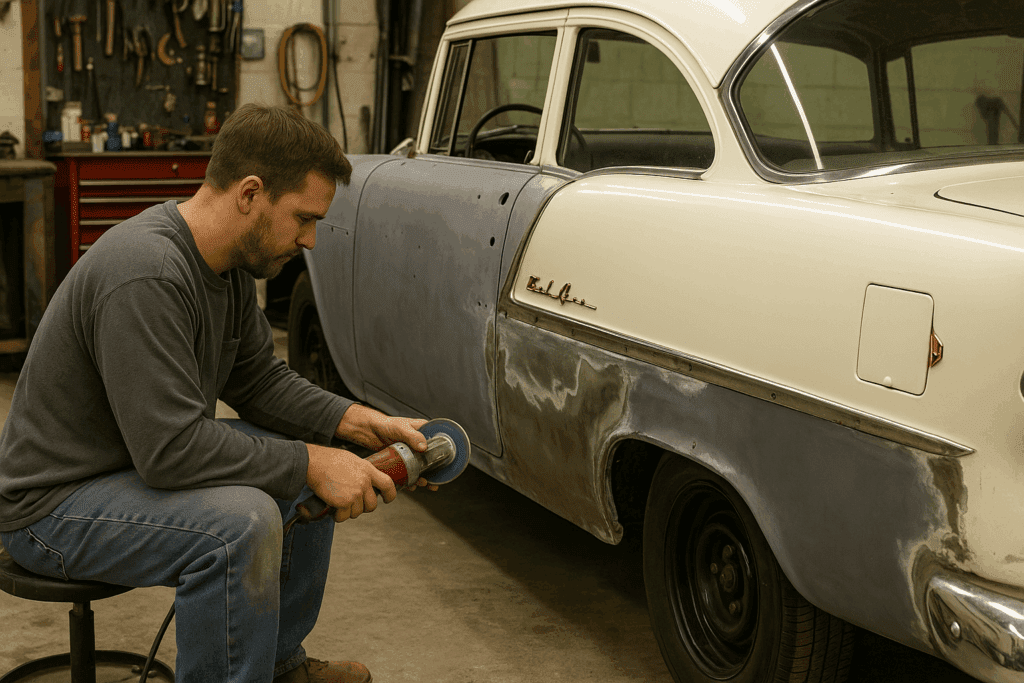
For originality, use factory codes (see our Chevy Paint Codes by Year chart). If you want show-quality gloss, a two-stage urethane base/clear system adds depth and durability.
The key is prep — sand, prime, block, repeat. When you see that first reflection under the lights, you’ll understand why every veteran restorer says, “Paint is 90% prep work.”
Chrome, Trim, and Brightwork: The Jewelry of a Tri-Five
No part of the 1955 Bel Air draws eyes like its chrome. From the hood bird to the sweeping side moldings, these pieces define the car’s personality.
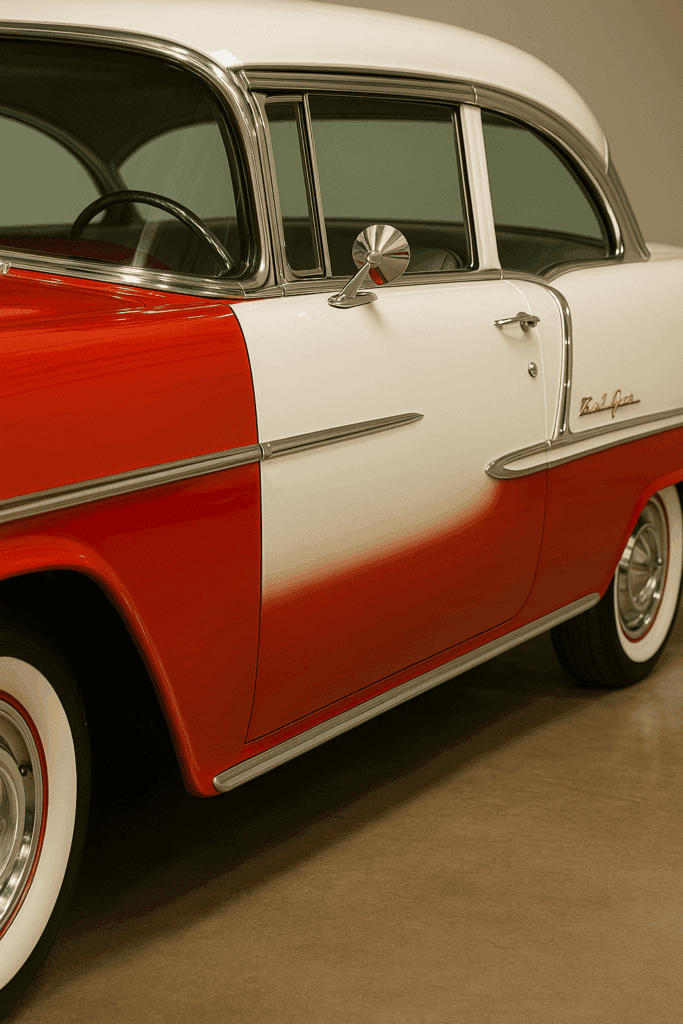
If your original brightwork is solid, invest in rechroming through a trusted shop (Hagerty has a good article on how to choose a chrome plater). For pieces too far gone, reproduction Bel Air chrome trim fits surprisingly well — just test-fit everything before final installation.
Use the correct clips and never rush trim installation. Chrome is always the final touch, after the paint has cured and been polished.
Wiring and Electrical: Bringing It Back to Life
The original 1955 Bel Air wiring harness is often brittle and unsafe. Replacing it is non-negotiable. You can stick with a factory-correct 6-volt setup or modernize to 12 volts for reliability.
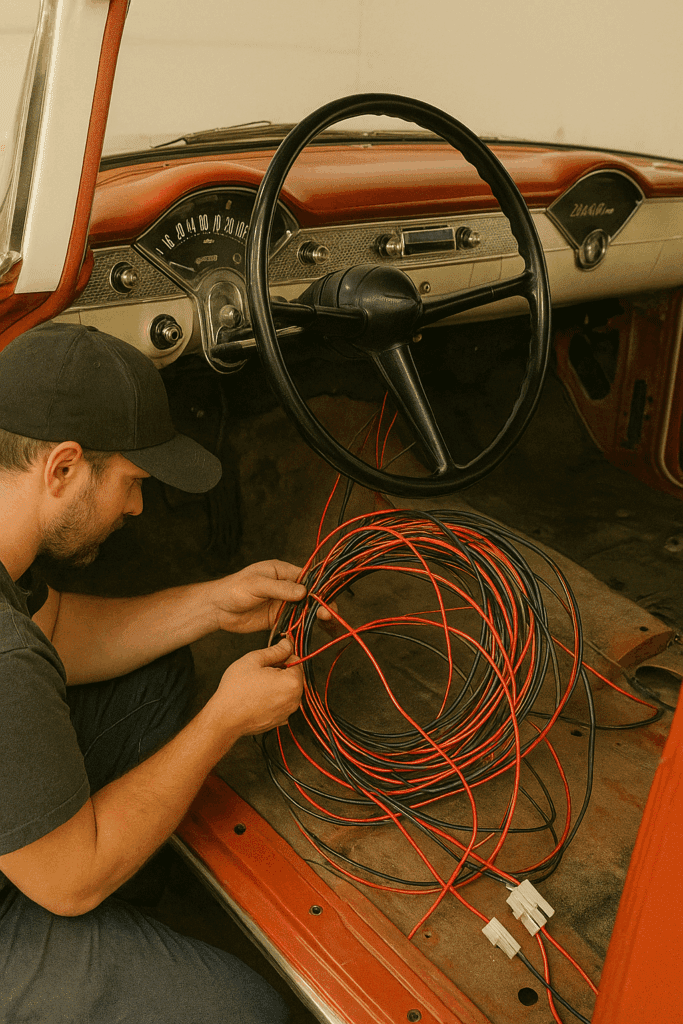
Use a quality reproduction kit or a modern upgrade from vendors like American Autowire. Run clean grounds, protect wiring with heat-shrink, and keep harnesses away from hot zones like headers and exhaust manifolds.
Nothing’s worse than chasing electrical gremlins after a full restoration. Take your time — good wiring is invisible but essential.
Interior Restoration: Style and Comfort Reborn
Sliding into a freshly restored Bel Air interior feels like stepping into 1955. Two-tone vinyl, chrome accents, that classic dash — it’s what makes these cars special.
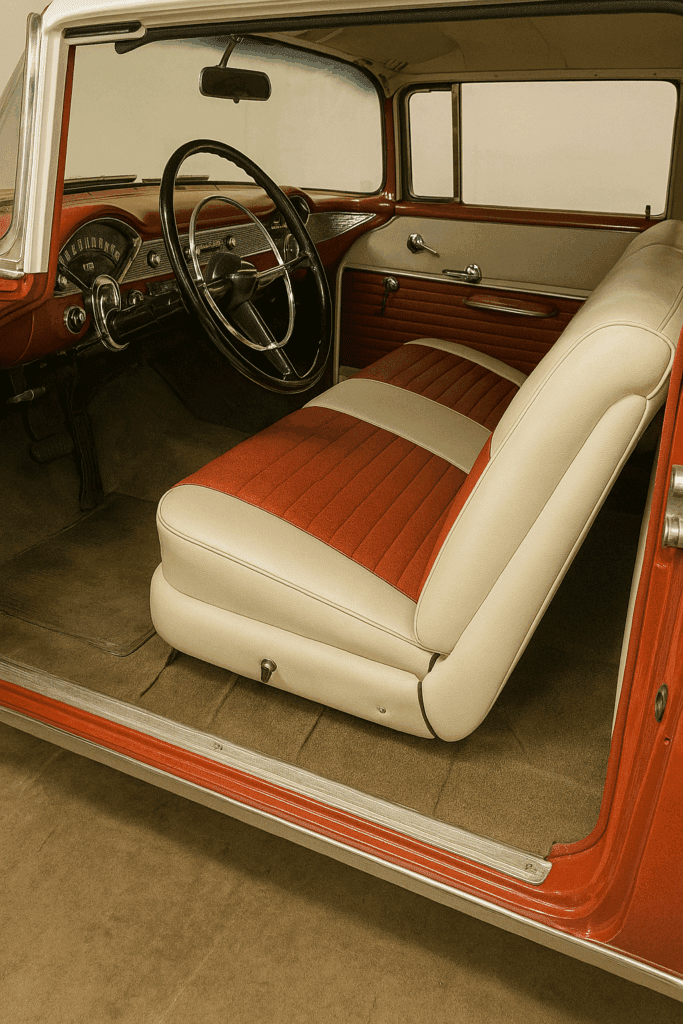
If you’re going stock, use pre-sewn reproduction kits for seats and door panels. We list several suppliers on our Chevy Interior Restoration Tips page.
Rebuild or replace gauges, polish the bezels, and consider hiding a Bluetooth stereo behind the dash for modern convenience. The best Bel Air interior restoration combines authenticity with subtle comfort.
Reassembly and First Drive
Once everything is painted, polished, and plated, it’s time for the fun part — putting it all back together..
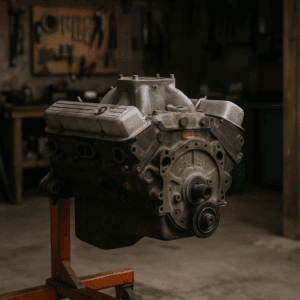
Start with the mechanical systems: engine, transmission, suspension. Then move to wiring, interior, and chrome. Label every bagged bolt from disassembly — trust us, it’ll save your sanity.
That first startup after months (or years) of work is unforgettable. When the 1955 Chevy Bel Air roars to life, you’ll feel the same thrill its first owners did seven decades ago.
Maintenance and Preservation
A restored Bel Air deserves care. Store it in a dry garage, keep it waxed, and drive it often. Regular motion keeps seals supple and fluids circulating.
Check for leaks, inspect brake lines, and detail chrome often with a non-abrasive polish. For seasonal storage, Hagerty’s classic car preservation guide is worth a read.
And remember: these cars were built to cruise, not sit. Every mile adds another story to its legacy.
It’s About Bringing History Back to Life
Restoring a 1955 Chevy Bel Air isn’t just about bolts and panels — it’s about bringing history back to life. Whether you go factory-correct or build a mild resto-mod, every weld and polish tells part of a story that started seven decades ago.
And when you finally pull that Bel Air into the sunlight, gleaming like it did in ’55, you’ll realize this isn’t just restoration — it’s resurrection.
That’s what OldChevys.com is here for: helping you keep these classics alive, one build at a time.