Find OEM and aftermarket Classic Chevy Parts. Learn where to buy, how to choose between original and upgraded parts, and the top suppliers.
Choosing the Right Parts for Your Classic Chevy
Restoring or modifying a Classic Chevy is impossible without the right parts. From sourcing original trim for a 1957 Bel Air to adding performance suspension to a 1969 Camaro, your choices shape both the value and drivability of your car.
This guide explains the difference between OEM reproduction parts and Chevy aftermarket upgrades, highlights trusted suppliers, and shows you how Chevy clubs, swap meets, and forums can help you track down hard-to-find components.
OEM Parts vs. Aftermarket Upgrades
OEM Reproduction Parts
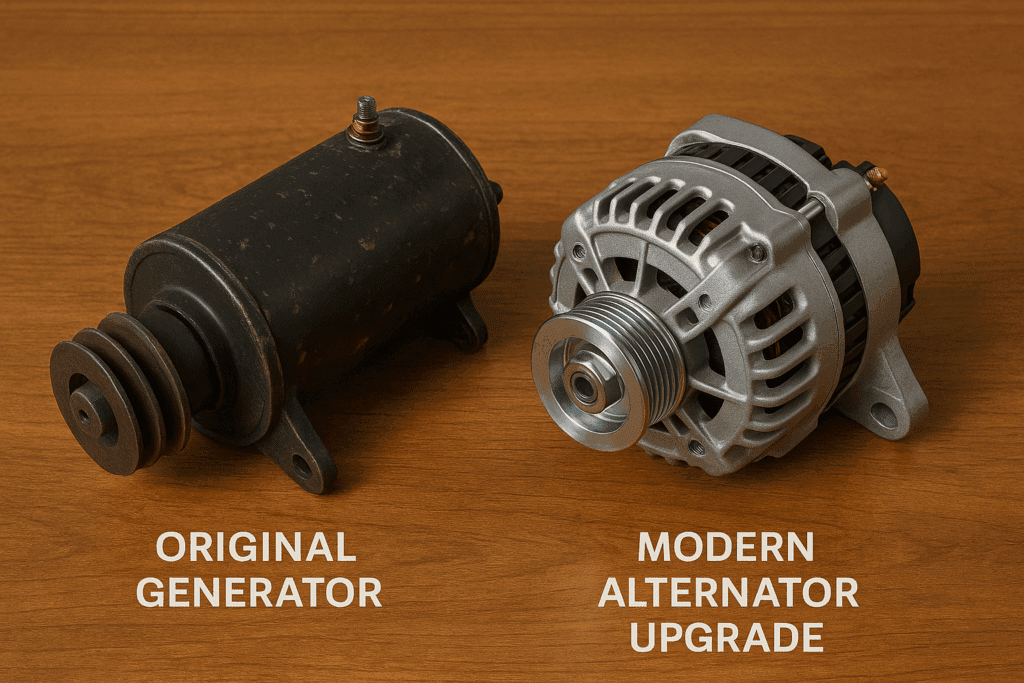
OEM-style reproduction parts are designed to replicate factory specifications.
- Pros: Preserve authenticity, higher resale value, often required for concours judging.
- Cons: Can be more expensive, availability is limited for some models.
Aftermarket Upgrades
Aftermarket parts often improve performance or convenience.
- Pros: Better braking, handling, safety, and reliability.
- Cons: May lower originality and collector value.
👉 For a deeper dive into originality’s impact on value, see our Chevy OEM vs Aftermarket Parts.
Sourcing Classic Chevy Parts
The Chevy aftermarket is one of the strongest in the classic car world.
Trusted Online Vendors
- Classic Industries – Comprehensive catalog for Chevy models.
- YearOne – Muscle car parts and performance upgrades.
- National Parts Depot (NPD) – OEM and reproduction parts.
Specialty Shops
Some suppliers focus on specific models:
- Eckler’s for Tri-Five Bel Airs.
- Camaro Central for first-gen Camaros.
- Impala Bob’s for Impala parts.
Swap Meets & Car Shows
National events and local Chevy car shows are goldmines for rare trim and NOS (new old stock) parts. Networking with Chevy clubs often leads to off-market deals.
Performance Upgrades for Classic Chevys
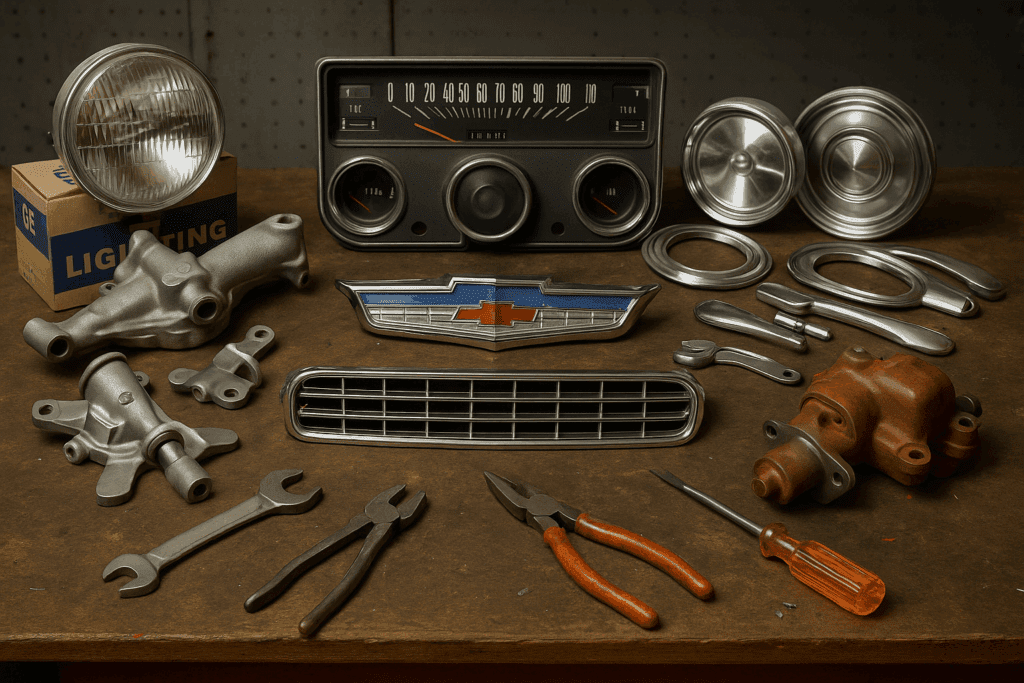
Upgrades don’t just modernize — they make your Chevy safer and more enjoyable to drive.
Brakes & Suspension
- Disc brake conversions improve stopping power.
- Coilover suspension kits improve handling.
Engine & Fuel
- Electronic ignition systems replace points for reliability.
- Fuel injection kits bring modern drivability without hurting value.
- Classic car electric fan pros and cons
Comfort & Safety
- Vintage Air A/C kits blend modern comfort with classic style.
- Power steering conversions reduce driving fatigue.
The Camaro community and Chevelles.com forum are excellent resources for performance build guides.
Interiors & Trim
Interior restoration requires attention to detail.
- Upholstery kits replicate original factory patterns.
- Dash bezels and gauge clusters can be refurbished or replaced with reproductions.
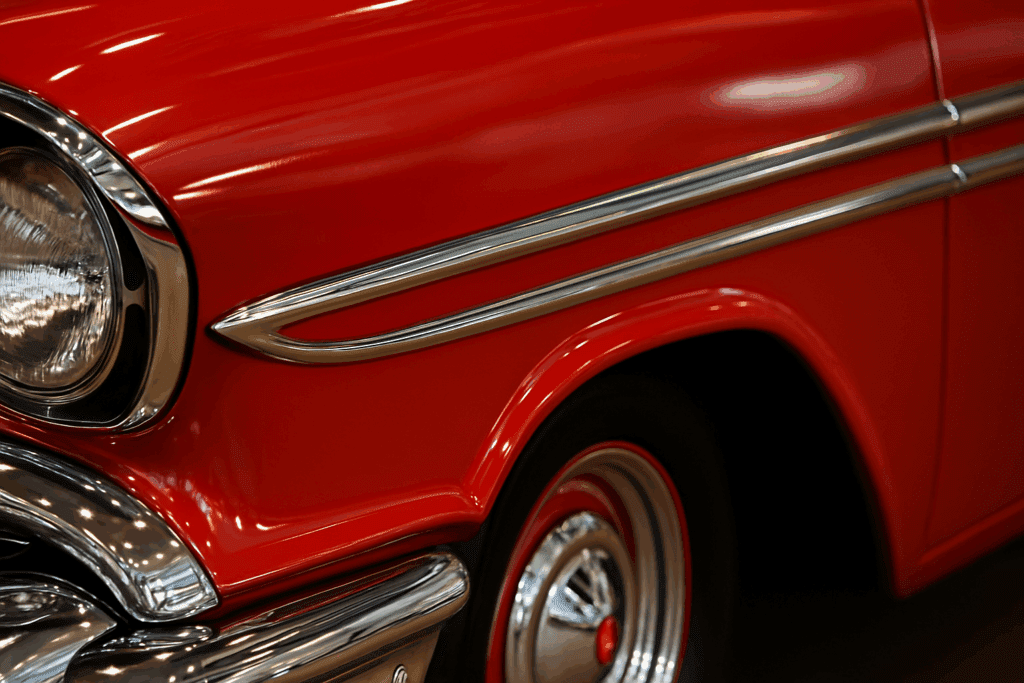
- Chrome trim and badging are widely reproduced, but NOS parts are prized.
For inspiration, see examples from the national Chevy community shows.
Electrical & Wiring

Electrical systems are common upgrade candidates.
- American Autowire harnesses simplify wiring replacement.
- LED conversions improve lighting and safety.
- Modern radios with retro styling offer Bluetooth without sacrificing aesthetics.
Budgeting for Parts & Upgrades
Every project is unique, but typical costs include:
- Engine rebuild kits: $2,500–$6,000
- Upholstery kits: $1,500–$3,500
- Paint & body supplies: $5,000–$15,000+
- Disc brake conversions: $1,000–$2,500
Balancing OEM-style restorations with aftermarket upgrades depends on whether you’re chasing resale value or building a driver.
👉 For more cost insights, see our Restoration & Maintenance Guide.
Community Resources for Parts Hunting
- Chevy Clubs often organize group buys or maintain classifieds for rare parts.
- Chevy Forums like Team Camaro, TriFive.com, and Chevelles.com are invaluable for leads.
- Chevy Car Shows & Swap Meets often feature vendors selling NOS or hard-to-find pieces.
Find more resources in our Classic Chevy Community & Events Hub.
Choosing the Right Parts for Your Classic Chevy
Choosing the right parts for your Classic Chevy determines not only how it drives, but also how it’s valued. Whether you’re sourcing OEM-style components to preserve originality or adding modern upgrades for safety and comfort, today’s market offers more options than ever. By tapping into trusted suppliers, Chevy forums, clubs, and shows, you can ensure that your restoration or upgrade project delivers the results you want.
👉 Next Step: Learn how to keep your Chevy road-ready in our Complete Classic Chevy Restoration & Maintenance Guide.
Frequently Asked Questions About Classic Chevy Parts
Where is the best place to buy classic Chevy parts?
The best sources include Classic Industries, YearOne, and NPD. For NOS classic Chevy parts, swap meets and clubs are invaluable.
Are aftermarket classic Chevy parts bad for resale value?
Not always. OEM parts help with collector value, but aftermarket upgrades (like brakes and suspension) improve safety and driveability.
What are NOS classic Chevy parts?
NOS classic Chevy parts are original GM parts manufactured decades ago but never used. They’re prized for authenticity.
Which classic Chevy parts should I upgrade first?
Start with brakes, suspension, and wiring — the most impactful classic Chevy upgrade parts for safety.
How much does a full restoration cost?
Depending on condition and model, expect $20,000–$60,000 for a complete build using a mix of classic Chevy replacement parts.