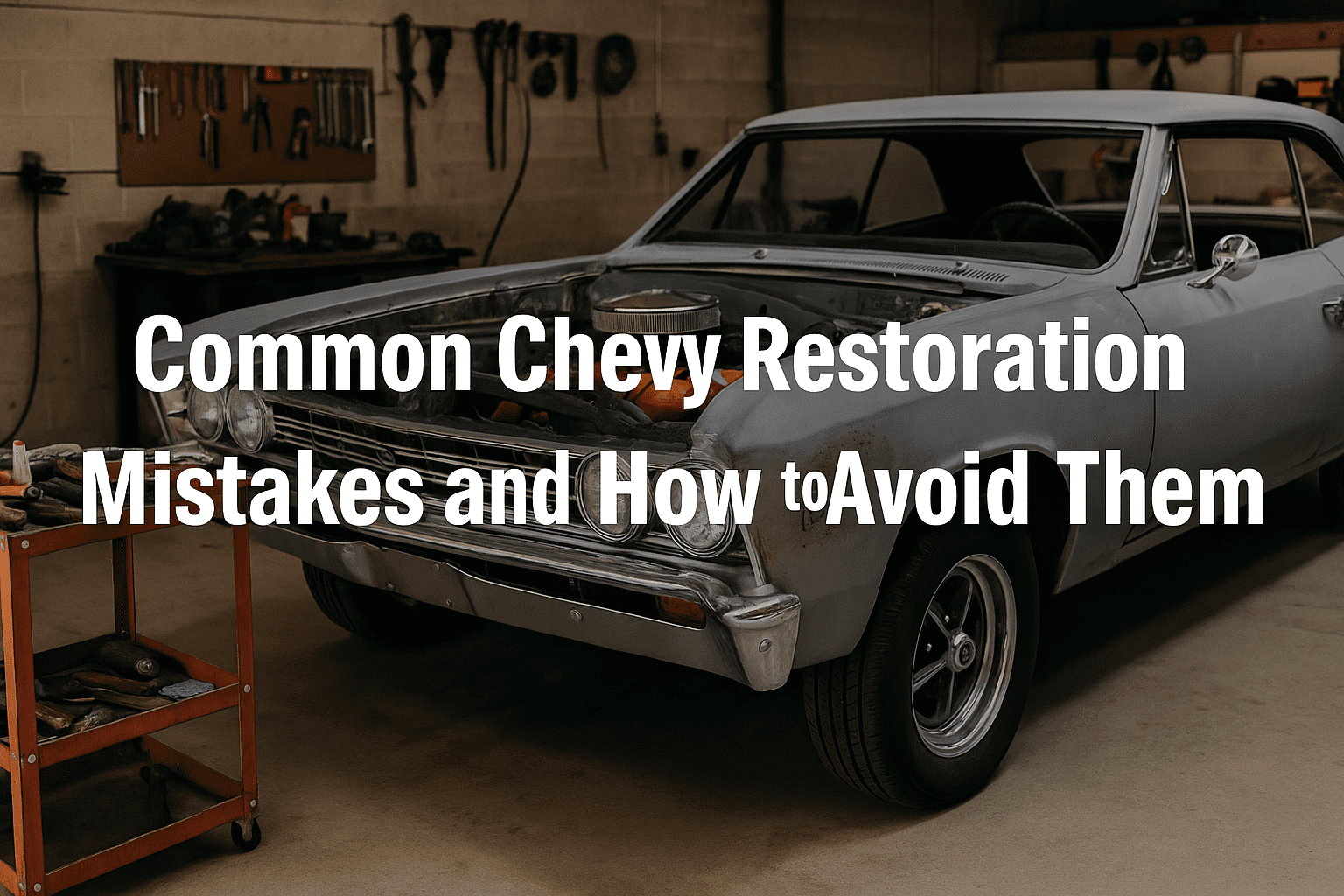
Restoring a classic Chevy is one of the most rewarding experiences an automotive enthusiast can take on. But along the journey, many people fall into avoidable traps that cost time, money, and even long-term enjoyment of the car. Understanding the most common Chevy restoration mistakes—and how to prevent them—can save you frustration and keep your build on track.
Mistake #1: Starting Without a Plan
One of the biggest classic car restoration errors is jumping in without a clear plan. Many first-time restorers tear the car apart only to forget how the pieces fit together. Others underestimate budgets or timelines, leaving their Chevy disassembled for years.
How to Avoid It:
- Create a restoration roadmap before touching a wrench.
- Take detailed photos at every stage of disassembly.
- Set a realistic budget that includes parts, tools, and unexpected costs.
📖 Related: If you’re still looking for the right project, start with the Classic Chevy Buyer’s Guide to avoid costly surprises before you buy.
Mistake #2: Ignoring Rust and Structural Integrity
Rust is more than cosmetic—it can compromise safety. Many hobbyists focus on shiny paint jobs while ignoring floor pans, frames, or rocker panels. Restoring a Chevy with hidden rust only leads to more work later.
How to Avoid It:
- Inspect the car thoroughly before purchase.
- Prioritize repairing structural areas before cosmetic fixes.
- Replace panels with high-quality reproduction or OEM metal.
🔗 Related Resource: Eastwood has excellent tutorials on rust repair and welding techniques.
Mistake #3: Skipping Professional Machining
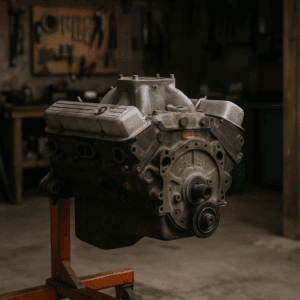
When rebuilding a motor, some enthusiasts assume basic cleaning and new gaskets are enough. In reality, worn crank journals, warped heads, or out-of-round cylinders will quickly ruin your rebuild.
How to Avoid It:
- Always have blocks, cranks, and heads inspected and machined by professionals.
- Measure tolerances with precision tools rather than guessing.
- Use assembly lube and torque specs carefully during reassembly.
📖 Related: Learn more about the process in our How to Restore a Chevy Small Block V8 guide.
🔗 Related Resource: Engine Builder Magazine offers detailed guidance on machining and rebuild best practices.
Mistake #4: Over-Restoring Beyond Your Budget
It’s tempting to chase a showroom-quality restoration with flawless paint and rare trim. But overspending can sink your project, especially if the car won’t be worth the final investment. This is one of the most painful avoid restoration problems lessons many hobbyists face.
How to Avoid It:
- Match your restoration level to your goals—driver, show car, or investment.
- Track expenses carefully to avoid financial strain.
- Remember that originality often matters more than over-the-top upgrades.
🔗 Related Resource: Hagerty regularly publishes classic car market trends, helping you understand which Chevys justify a bigger budget.
Mistake #5: Cutting Corners on Electrical and Safety
Many restorers overlook wiring, brakes, or suspension because they’re not as flashy as chrome or paint. But outdated wiring or weak brakes can put your car and safety at risk.
How to Avoid It:
- Replace the entire wiring harness if brittle or cracked.
- Upgrade to modern fuses, relays, and disc brakes for drivability.
- Balance authenticity with safety—your Chevy should look classic but drive securely.
📖 Related: To see how upgrades affect market value, try our Classic Chevy Value Estimator.
Mistake #6: Forgetting Documentation and Provenance
Collectors often value Chevys based on originality and history. Losing track of VIN tags, trim codes, or original paperwork can lower your car’s future value.
How to Avoid It:
- Document each part number, casting code, and VIN detail.
- Keep a binder with photos, receipts, and notes on all work done.
- Use tools like our Free Classic Chevy VIN Decoder to verify authenticity.
Restoring a Chevy is a Journey
Restoring a Chevy is as much about the journey as the finished car. By recognizing these common Chevy restoration mistakes—from poor planning and overlooked rust to skipped machining and ignored safety—you can steer clear of expensive missteps. Learn from others’ experiences, lean on good resources, and rely on trusted guides to avoid classic car restoration errors.
A thoughtful, well-planned restoration means fewer headaches, more value, and the ultimate reward: cruising in a piece of American history that you brought back to life.
Further reading for your restoration journey: Complete Guide to Restoring a Classic Chevy and From Barn Find to Show Car: A Chevy Restoration Journey