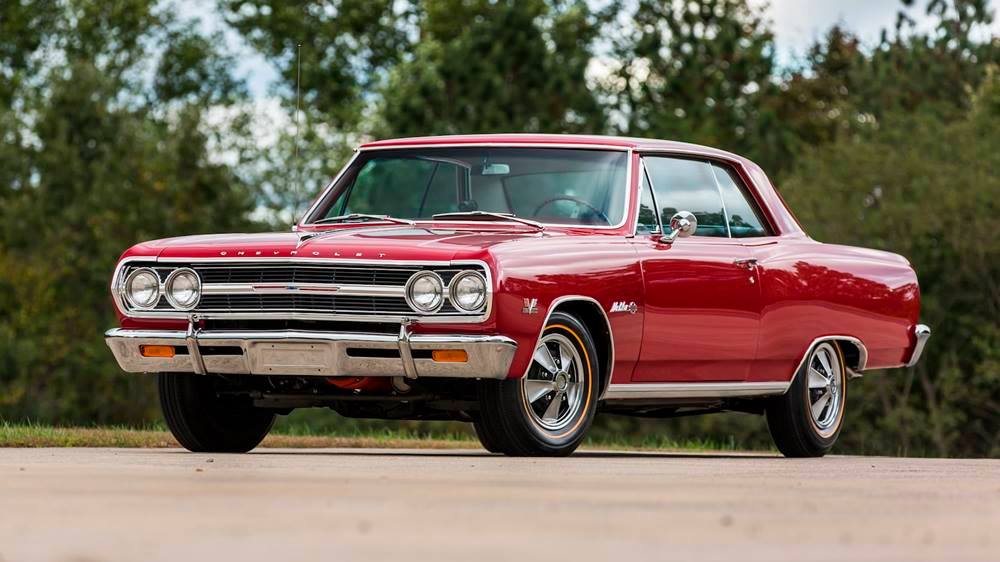
Don’t get fooled by a Chevelle SS clone. This fake Chevelle guide covers Chevy VIN verification, key details, and buying tips to protect your investment.
Chevrolet Chevelle SS
The Chevrolet Chevelle SS (Super Sport) is one of the most legendary muscle cars of the 1960s and early 1970s. With big-block engines, aggressive styling, and an unmistakable presence, the Chevelle SS has become one of the most sought-after classic Chevys.
But with values soaring, so have attempts to pass off a Chevelle SS clone as the real deal. For buyers, this presents a major risk—paying top dollar for what’s essentially a dressed-up Malibu. This fake Chevelle guide will walk you through the critical steps to separate genuine SS models from impostors, with a focus on Chevy VIN verification, documentation, and key inspection points.
Why Chevelle SS Clones Exist
The Chevelle SS is one of the most counterfeited muscle cars on the market. Here’s why:
- Value difference – A real SS396 or SS454 can fetch 2–3 times more than a non-SS Chevelle.
- Ease of cloning – Many SS trim parts (badges, hoods, stripes) are reproduced and widely available.
- Buyer demand – Collectors are willing to pay a premium, making it profitable for sellers to misrepresent cars.
That’s why learning how to verify authenticity is essential before making a purchase. Read our 10 Things Every Chevy Owner Should Know Guide
Step 1: Start with Chevy VIN Verification
The first step in identifying a real SS is performing Chevy VIN verification.
- Location of VIN: Check the driver’s side dashboard near the windshield, and cross-check with the VIN plate on the driver’s door jamb.
- Decoding the VIN: For 1966–1972 Chevelles, the VIN will not directly say “SS,” but it can confirm correct body style, plant code, and year.
- Matching numbers: Compare the VIN with engine and transmission stampings. A non-matching powertrain doesn’t automatically mean it’s fake, but it reduces collector value.
For a detailed breakdown of Chevy VIN codes, reference the Classic Chevy VIN Decoder or official GM documentation.
Step 2: Look for SS-Specific Features
Beyond the VIN, certain features help distinguish a true SS from a clone.
- Badging: Authentic SS emblems should be correctly placed and securely mounted—not cheap stick-ons.
- Interior: Genuine SS models often came with unique dash clusters, bucket seats, and console shifters.
- Suspension & Brakes: SS cars included heavy-duty suspension, sway bars, and often front disc brakes—features many clones skip.
- Cowl Induction Hood: While iconic, these hoods are easy to add after-market. Don’t rely on it alone as proof.
Always compare with factory build sheets, original brochures, or reliable references like the Chevelle Stuff Registry.
Step 3: Inspect Documentation
Paperwork is critical in any fake Chevelle guide. Look for:
- Original window sticker or dealer invoice.
- Protect-O-Plate (Chevrolet’s warranty card with stamped VIN and codes).
- Build sheet found under seats or in the rear seatback—if intact, it’s the best authenticity proof.
No documents? That doesn’t automatically mean fake—but it means you’ll need to dig deeper.
Step 4: Consult Experts & Resources
If you’re uncertain, bring in reinforcements:
- Chevy clubs – Local or national classic Chevy clubs often have experts familiar with spotting SS clones.
- Professional appraisers – A classic car appraiser can verify details that most buyers miss.
- Community forums – Places like Team Chevelle host thousands of discussions on authenticating SS models.
- Chevy Parts Suppliers – To help with authentication.
Networking also helps you find trusted sellers and avoid costly mistakes.
Step 5: Compare Market Values
The price should always reflect authenticity. A genuine SS396 or SS454 with documentation will command top dollar, while a Chevelle SS clone should be priced significantly lower.
For real-time pricing trends, use the Hagerty Valuation Tool. If the price seems “too good to be true,” it usually is.
Red Flags That Suggest a Fake
- Fresh SS badges on a suspiciously plain car.
- VIN codes that don’t align with the year/model.
- Missing paperwork or vague ownership history.
- Sellers who resist inspection or appraisal.
Always walk away if you feel pressured—there will always be another Chevelle to buy.
Buying a Chevelle SS
Buying a Chevelle SS is a dream for many muscle car enthusiasts, but it’s also a minefield of counterfeits. By following this fake Chevelle guide, focusing on Chevy VIN verification, and learning the telltale signs of a Chevelle SS clone, you can protect your investment and ensure you’re buying an authentic piece of Chevy history.
Take your time, do your homework, and consult experts. The reward of driving away in a true SS is worth the extra diligence.