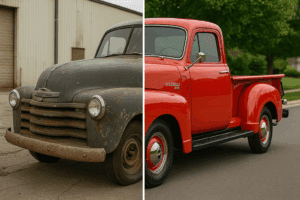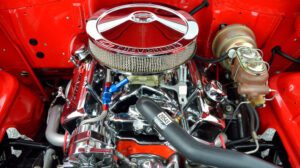
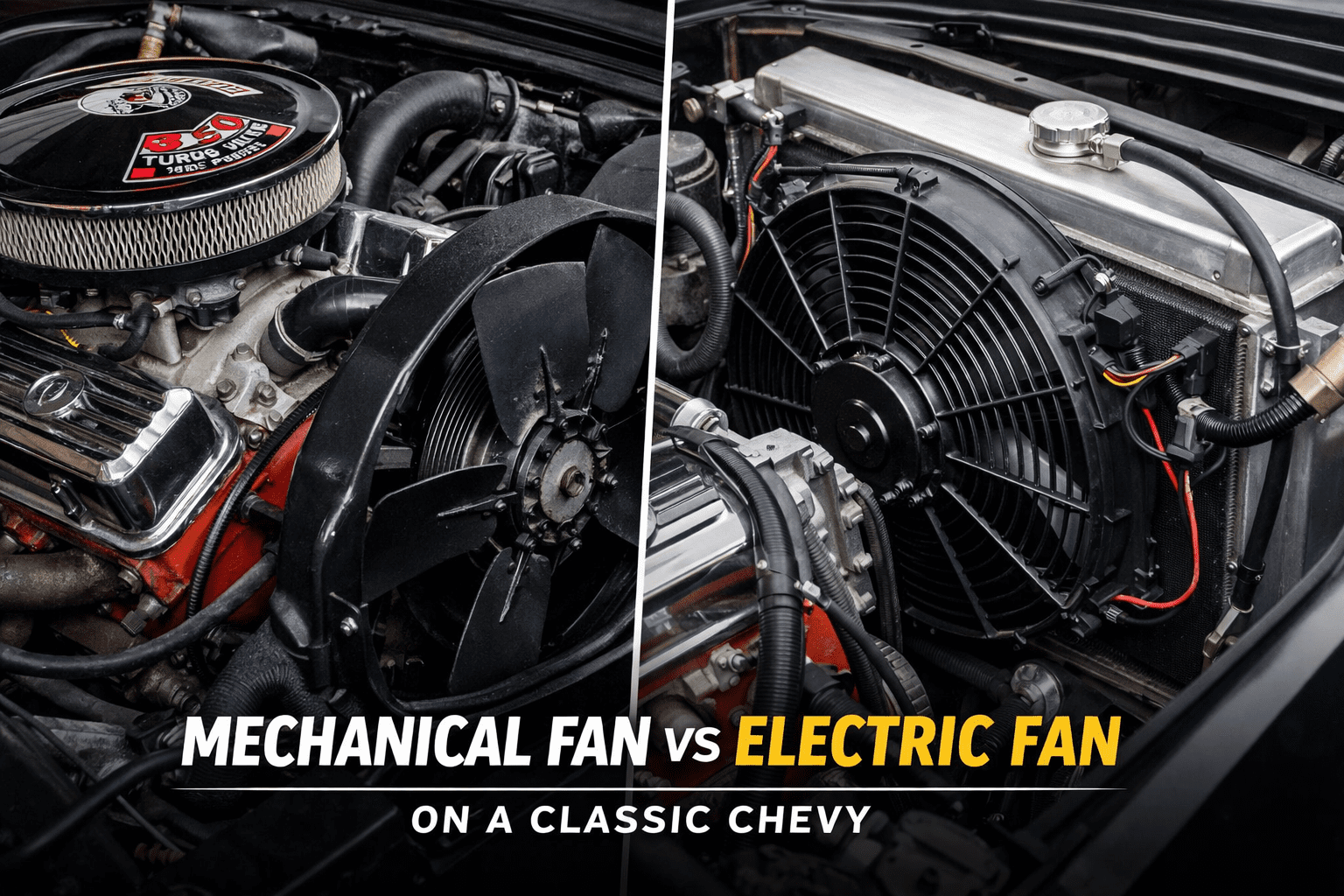
For most owners weighing mechanical fan vs electric fan classic car setups, the better choice depends on how the car is driven. Mechanical fans excel in simplicity and highway reliability, while electric fans offer superior idle cooling in traffic. Neither fixes an underlying cooling-system problem—but each fits a different use case.
How Cooling Works on a Classic Chevy
Classic Chevrolets from the 1950s through the 1970s were engineered for a very different driving environment than today’s stop-and-go traffic, extended idle times, and higher ambient temperatures.
If your temperature climbs only at stoplights, the underlying causes are often unrelated to the fan—see our full breakdown of classic Chevy overheating at idle.
Airflow at Speed vs Idle
At road speed, the radiator does most of the work. Air is forced through the core by vehicle motion, not by the fan. In these conditions, the fan—mechanical or electric—plays a supporting role.
At idle or low speed, airflow drops dramatically. Now the fan becomes the primary driver of cooling. This is where the difference between fan types matters most.
Why Classic Chevys Struggle in Modern Traffic
Several factors stack the deck against classic cars:
- Taller rear gearing that keeps RPM low at idle
- Smaller radiator cores compared to modern vehicles
- Non-overdrive transmissions that raise heat output in traffic
- Engine bays were designed before electric accessories were common
As a result, overheating complaints often appear at idle or during slow cruising—not at highway speeds.
Mechanical Fan: Pros and Cons
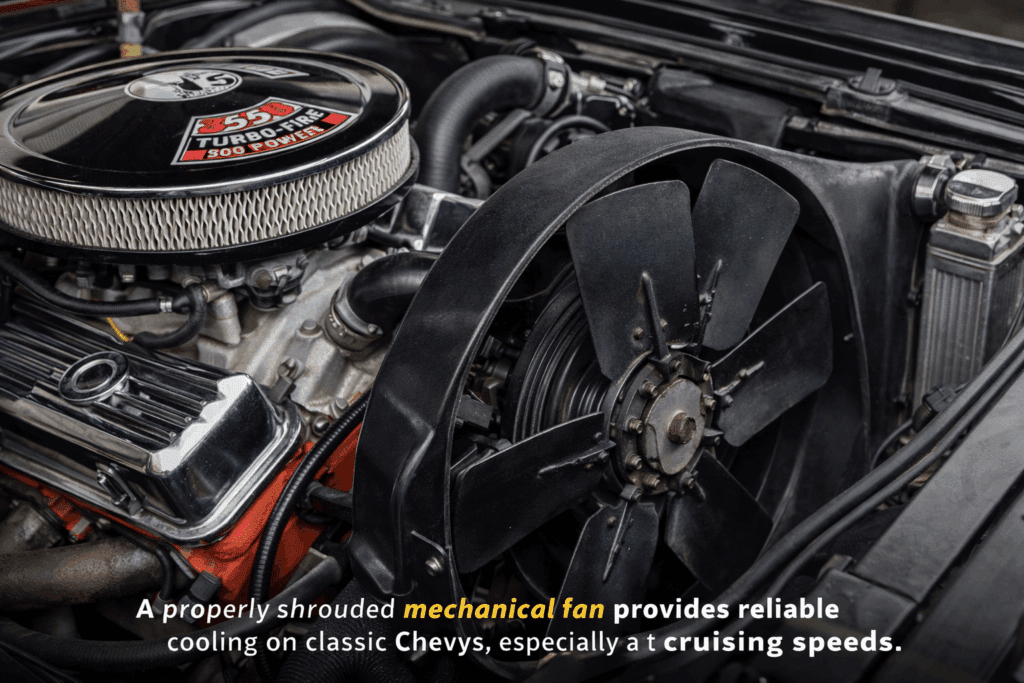
Mechanical fans were standard equipment on nearly every classic Chevy, from small-block sedans to big-block muscle cars. Their behavior is simple, predictable, and tied directly to engine speed.
Pros
1. Proven Reliability
A mechanical fan has very few failure points. As long as the belt is intact and the fan blades are sound, it will move air. There are no relays, sensors, or wiring to fail.
2. No Electrical Load
Mechanical fans draw power directly from the crankshaft, not the charging system. This matters on classics still running 37–63 amp alternators.
3. Cooling Scales With RPM
As engine speed increases, airflow increases. This is ideal for highway driving, towing, or sustained higher RPM operation.
4. Factory-Correct Fit
For restorations or period-correct builds, mechanical fans preserve original appearance and packaging.
Cons
1. Inefficient at Idle
At a 650–750 RPM idle, airflow is limited. This is where many classic Chevys run hot.
2. Parasitic Power Loss
A fixed mechanical fan can absorb several horsepower at higher RPMs. Clutch fans reduce this, but don’t eliminate it.
3. Noise
Mechanical fans—especially fixed-blade designs—are louder as RPM increases.
4. Failure Modes
While rare, failures can be catastrophic:
- Fan blade fatigue
- Cracked hubs
- Clutch failure leading to poor airflow at idle
Electric Fan: Pros and Cons
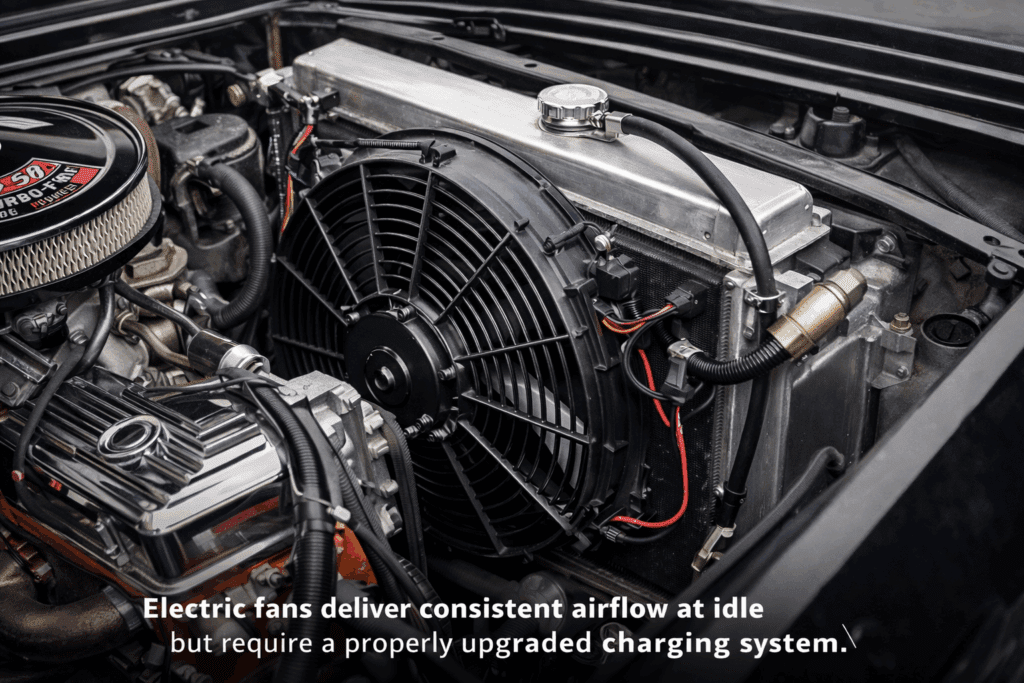
Electric fans became popular upgrades as traffic patterns changed and owners demanded better idle cooling. They operate independently of engine speed, which fundamentally changes how cooling behaves.
Pros
1. Superior Idle Cooling
Electric fans deliver full airflow at idle, regardless of RPM. This is their single biggest advantage.
2. Reduced Engine Load
No belt-driven drag. Power loss is electrical, not mechanical, and intermittent.
3. Temperature Control Precision
Thermostatic switches allow fans to cycle only when needed, reducing overcooling.
4. Packaging Flexibility
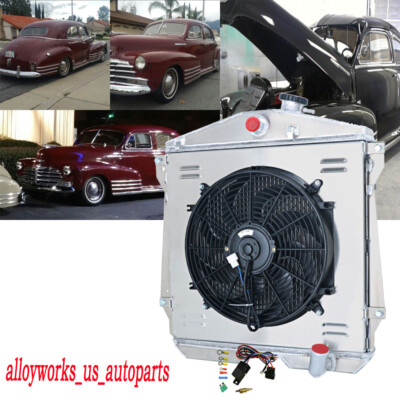
Electric fans can be mounted as pullers or pushers, allowing more flexibility with tight engine bays.
Cons
1. Electrical System Demand
A single high-output electric fan can draw 20–40 amps on startup. Dual fans can exceed 60 amps briefly.
2. Wiring and Component Risk
Relays, temperature switches, grounds, and connectors all become potential failure points.
3. False Sense of Security
Electric fans are often installed to mask radiator, timing, or coolant flow problems.
4. Real-World Reliability Depends on Installation Quality
Poor wiring or inadequate alternators cause more failures than the fans themselves.
Mechanical vs Electric Fan: Side-by-Side Comparison


| Factor | Mechanical Fan | Electric Fan |
|---|---|---|
| Cooling at Idle | Fair to poor | Excellent |
| Cooling at Speed | Excellent | Good |
| Reliability | Very high | Install-dependent |
| Electrical Load | None | Moderate to high |
| Mechanical Load | Constant | None |
| Complexity | Low | High |
| Cost (Typical) | $50–$150 | $250–$600+ |
Common Mistakes Owners Make
Many cooling problems blamed on fans are actually caused by installation or system-level issues.
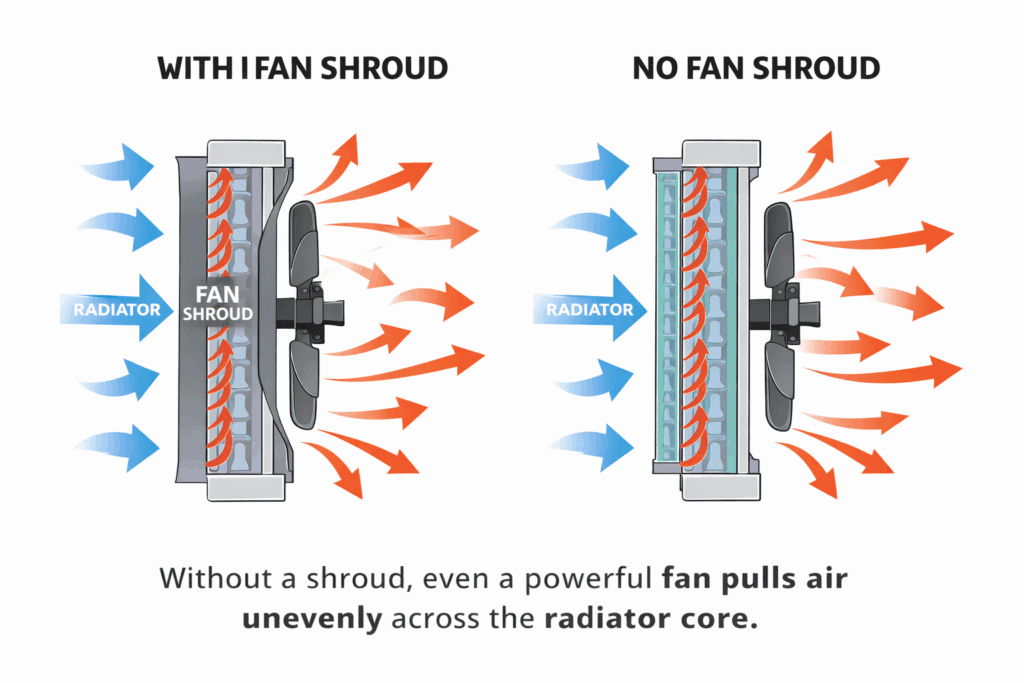
Poor Shrouding
A fan without a proper shroud is inefficient—mechanical or electric. The shroud ensures airflow is pulled through the entire radiator core, not just the area directly in front of the fan blades.
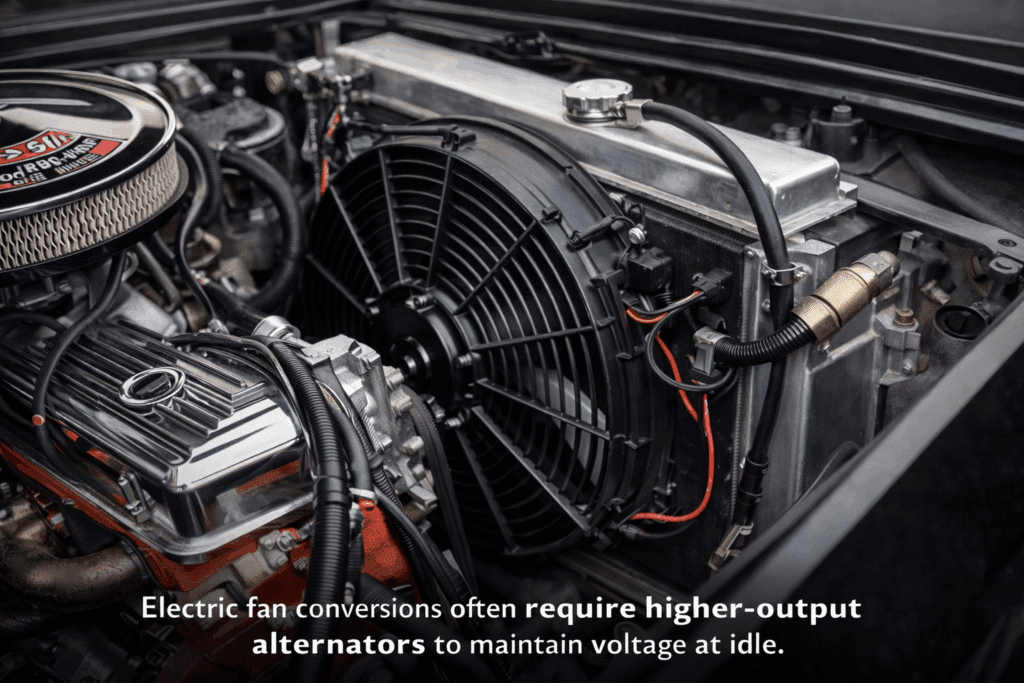
Undersized Alternators
Electric fan conversions frequently fail because the stock alternator can’t keep up. Symptoms include:
- Voltage drop at idle
- Fans slowing down when the headlights are on
- Battery drain in traffic
Blaming the Fan for Radiator Issues
A clogged, undersized, or partially blocked radiator cannot be fixed by airflow alone. Fans move air; they don’t increase heat transfer capacity.
Which Fan Is Best for Your Use Case?
Stock Cruiser
If your Chevy is mostly stock and sees light weekend driving:
- Mechanical fan with proper shroud
- Consider a clutch fan upgrade if not already equipped
This setup maintains originality and reliability.
Cooling needs vary widely depending on camshaft, compression, and ignition setup, especially on small-block builds.
Daily Driver
For frequent driving in modern traffic:
- Electric fan with upgraded alternator
- Focus on clean wiring and quality relays
Idle cooling becomes the priority.
Hot Climate Driving
In sustained high ambient temperatures:
- Electric fans help at idle
- Mechanical fans still shine at speed
A hybrid approach—clutch fan plus optimized radiator—often works best.
Modified Engine (Cam, Compression, Big Block)
Higher heat output changes the equation:
- Electric fans handle idle heat better
- Mechanical fans support sustained load
The correct choice depends on idle quality, compression ratio, and ignition timing.
When You Need More Than a Fan Upgrade
Fans are only one part of the cooling system. If temperatures remain high, look deeper.
Radiator Capacity
A modern aluminum radiator with increased core thickness often solves chronic overheating. See [Internal Link: Best Radiators for Classic Chevys].
Ignition Timing
Retarded timing dramatically increases exhaust heat and coolant temperature. Always verify base timing and advance curves.
Coolant Flow
Problems include:
- Incorrect water pump rotation
- Collapsing lower radiator hoses
- Restricted heater cores
Fan upgrades won’t fix these issues. For idle-specific heat issues, review [Internal Link: Classic Chevy Overheating at Idle].
Year-Range Differences That Matter
Cooling behavior varies by era:
- 1950s–early 1960s: Smaller radiators, lower airflow expectations
- Late 1960s muscle cars: Higher heat output, better airflow, but tighter engine bays
- 1970s: Emissions-era timing and lean mixtures increase heat load
Understanding your vehicle’s design context matters more than the fan choice itself.
Frequently Asked Questions
Is an electric fan always better for a classic Chevy?
No. Electric fans excel at idle but rely on a strong electrical system. Mechanical fans remain superior for simplicity and sustained highway cooling.
Can I run both mechanical and electric fans?
Some owners do, but complexity increases and gains are marginal unless airflow management is poor.
Will an electric fan free up horsepower?
Yes, but the gain is modest—typically a few horsepower—and only noticeable at higher RPM.
Do I need a higher-amp alternator for an electric fan?
In most cases, yes. Anything under 80–100 amps is marginal for modern electric fans.
Should I switch fans if my car overheats at idle?
Only after verifying radiator condition, timing, coolant flow, and shrouding.
No Universal Winner
There is no universal winner in the mechanical vs electric fan debate for classic Chevys. Mechanical fans offer unmatched simplicity and highway reliability. Electric fans provide superior idle cooling in modern traffic. Choose based on how the car is driven—and remember that no fan can compensate for a compromised cooling system.